

 en
en  English
 中文简体
中文简体 عربى
عربى
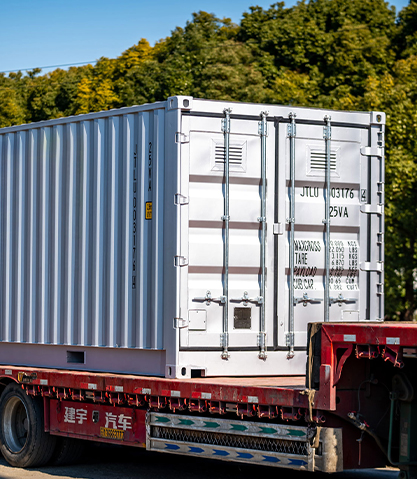
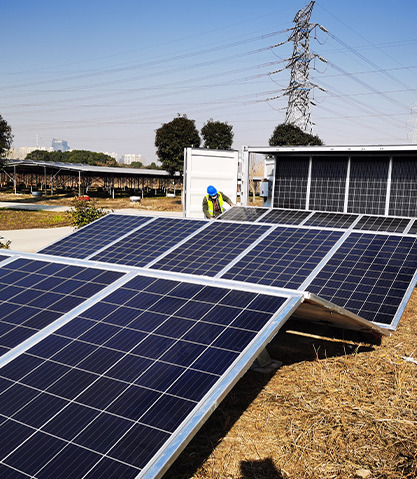
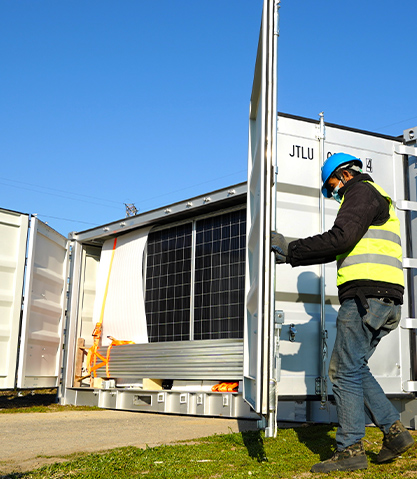
Access to reliable electricity remains a critical challenge for remote operations worldwide. Whether powering construction sites in isolated regions, supporting disaster relief efforts, or enabling agricultural activities far from urban centers, traditional grid connectivity often proves impractical or impossible. Solar power containers emerge as a transformative answer to these challenges, offering fully integrated off-grid power solutions that combine cutting-edge photovoltaic panels with intelligent energy storage systems.
These innovative units represent more than temporary power sources—they constitute permanent infrastructure capable of delivering consistent, clean energy wherever needed. By housing all essential components within standardized shipping container frames, manufacturers create plug-and-play systems that eliminate complex installation procedures and reduce deployment timelines from weeks to mere days.
Content
Understanding Solar Power Container Architecture
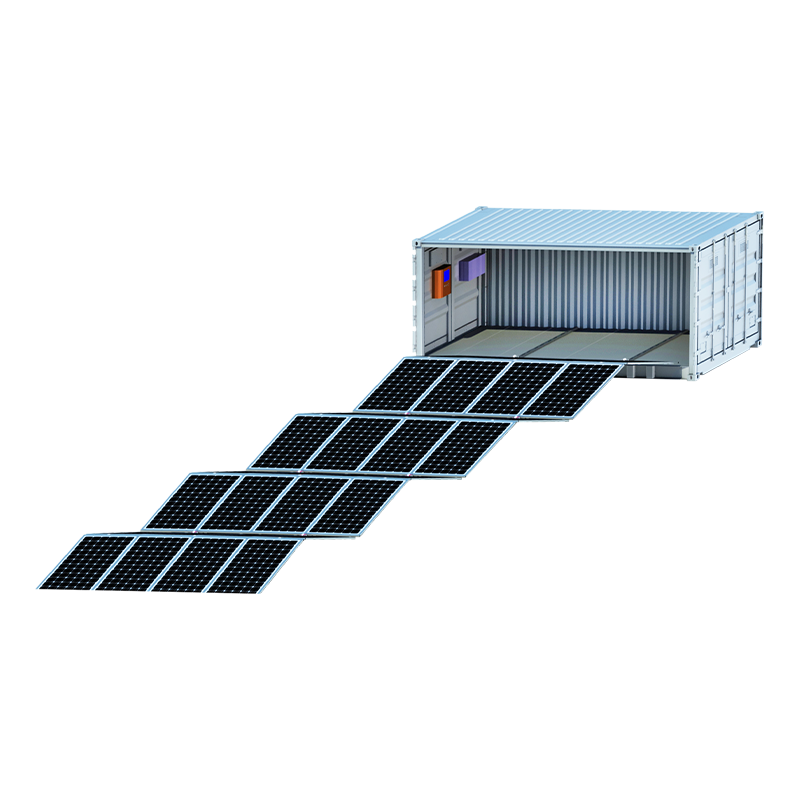
A solar power container functions as a complete miniature power station. The exterior structure typically features high-efficiency photovoltaic panels mounted on reinforced framing systems, while the interior houses sophisticated battery banks, inverters, charge controllers, and monitoring equipment. This integrated design ensures all components work harmoniously without requiring external connections or additional infrastructure.
The modular nature of these systems allows operators to scale capacity according to specific requirements. Individual containers typically generate between 10kW and 100kW, with multiple units capable of parallel connection for larger installations. This scalability proves invaluable for growing operations where energy demands may increase over time.
Core Components and Their Functions
Every solar power container incorporates several essential elements working in concert. The photovoltaic panels capture solar radiation and convert it into direct current electricity. Modern panels achieve conversion efficiencies exceeding 20%, maximizing energy harvest even in suboptimal conditions.
Battery storage systems, typically utilizing lithium-ion or advanced lead-acid technologies, store excess energy generated during daylight hours for use during nighttime or cloudy periods. These deep-cycle batteries withstand thousands of charge-discharge cycles while maintaining consistent performance.
Power inverters transform stored DC power into AC electricity compatible with standard appliances and industrial equipment. Charge controllers regulate energy flow between panels and batteries, preventing overcharging and optimizing battery lifespan. Advanced monitoring systems provide real-time performance data, enabling remote diagnostics and predictive maintenance.
Deployment Advantages for Remote Operations
Organizations operating in areas devoid of grid infrastructure face unique logistical challenges. Transporting fuel to remote locations incurs substantial costs and environmental risks. Solar power containers eliminate these burdens entirely through self-sustaining energy generation.
The easy to deploy characteristic stems from standardized container dimensions compatible with existing transportation infrastructure. Trucks, trains, and ships move these units globally without specialized handling equipment. Upon arrival, minimal site preparation suffices—level ground and adequate sun exposure represent the primary requirements.
Installation complexity remains remarkably low compared to traditional power infrastructure. Technicians connect pre-wired internal systems, extend external panel arrays, and activate monitoring software. Most deployments achieve operational status within 24-48 hours of delivery, minimizing downtime for critical projects.
Multi-Scene Applications Across Industries
The versatility of solar power containers enables deployment across diverse sectors. Mining operations utilize these systems to power extraction equipment, worker accommodations, and processing facilities in geographically isolated regions. The ruggedized construction withstands harsh environmental conditions including extreme temperatures, dust, and moisture.
Humanitarian organizations deploy these units during emergency responses, providing immediate electricity for medical facilities, communication centers, and water purification systems. The customizable nature allows configuration with specialized outlets, medical-grade power conditioning, or additional communication equipment as situations demand.
Telecommunications providers increasingly rely on solar power containers for remote tower sites. The reliable power supply ensures continuous network coverage while reducing operational expenses associated with fuel transportation and generator maintenance. Agricultural enterprises power irrigation systems, cold storage facilities, and processing equipment in rural farming communities.
Environmental and Economic Benefits
Compared with traditional diesel generators, solar power containers offer compelling advantages. As a fuel-free alternative, these systems eliminate ongoing fuel procurement costs, price volatility exposure, and supply chain vulnerabilities. Organizations achieve predictable energy budgeting without fluctuating diesel prices affecting operational forecasts.
The environmental impact reduction proves substantial. Each container displaces thousands of liters of diesel consumption annually, directly reducing carbon emissions and local air pollution. This sustainable approach aligns with corporate environmental responsibility goals while satisfying increasingly stringent regulatory requirements for clean energy adoption.
Maintenance requirements remain minimal compared to combustion generators. Photovoltaic panels carry 25-year performance warranties and require only occasional cleaning. Battery systems typically operate 8-15 years before replacement. These longevity characteristics reduce total cost of ownership significantly over system lifespans.
Cost Comparison Analysis
| Factor | Solar Power Container | Diesel Generator |
| Fuel Costs | Zero | $0.80-$1.50/kWh |
| Transportation | One-time delivery | Continuous fuel logistics |
| Maintenance | Annual inspection | Monthly servicing |
| Carbon Emissions | Near zero | High |
| Noise Pollution | Silent operation | 75-85 dB |
Customization and Integration Capabilities
Modern solar power containers offer extensive customization options addressing specific operational requirements. Manufacturers configure battery capacities matching anticipated consumption patterns, ensuring adequate reserve power for cloudy periods or peak demand scenarios. Panel arrangements adapt to available space and optimal sun orientation at deployment sites.
The easy to install philosophy extends to integration with existing infrastructure. These containers connect seamlessly to established electrical systems, serving as primary power sources or supplementary backup units. Hybrid configurations combining solar generation with grid connections or wind turbines maximize energy security and operational flexibility.
Advanced monitoring platforms enable remote oversight of multiple installations from centralized control centers. Operators track performance metrics, receive maintenance alerts, and adjust operational parameters without physical site visits. This intelligent management capability proves particularly valuable for organizations managing dispersed asset portfolios.
Future Outlook for Off-Grid Power Solutions
The evolution of solar power container technology continues accelerating. Emerging battery chemistries promise enhanced energy density and extended operational lifespans. Bifacial photovoltaic panels capture reflected light from ground surfaces, boosting generation capacity without expanding physical footprints. Smart grid integration capabilities enable these containers to participate in broader energy ecosystems as distributed generation assets.
For organizations seeking reliable, sustainable energy in challenging locations, solar power containers represent a proven, practical solution. The combination of easy to deploy characteristics, customizable configurations, and environmental responsibility positions these systems as the preferred choice for modern off-grid power requirements. As global emphasis on reducing reliance on fossil fuels intensifies, adoption of these integrated solutions will undoubtedly expand across industries and geographies.
Investing in solar power container technology today means securing energy independence tomorrow—regardless of grid availability or fuel supply chain stability. The transition toward decentralized, renewable power generation has arrived, and these innovative containers lead the transformation.
