

 en
en  English
 中文简体
中文简体 عربى
عربى
Product capacity (MWh): 1
Platform voltage (V): 716.8
Battery module model: 51.2V 280Ah
Charge discharge rate: 0.5C
Cooling method: Air conditioning cooling
Fire protection system: Yes
Weight (ton): 18
Working temperature (° C):- 20-60
Communication protocol: 485 CAN
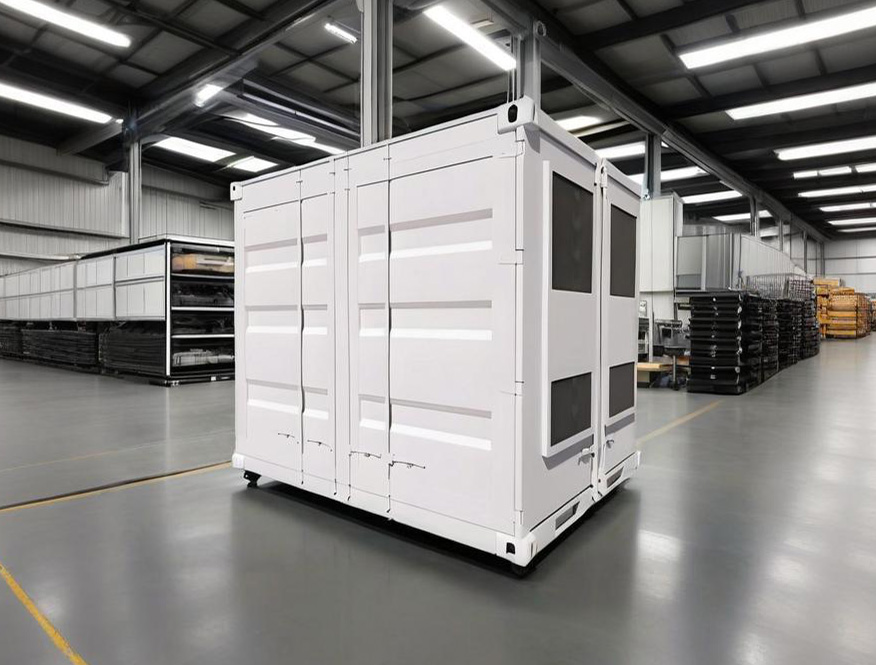
Battery ESS Container
The industrial and commercial energy storage system has an IP67 protection level and is suitable for various application scenarios such as peak shaving and valley filling, AC power grid expansion, factory backup power, industrial and commercial power guarantee, and off grid emergency power supply.
SENTA 丨 Products
Model Display
View More
-
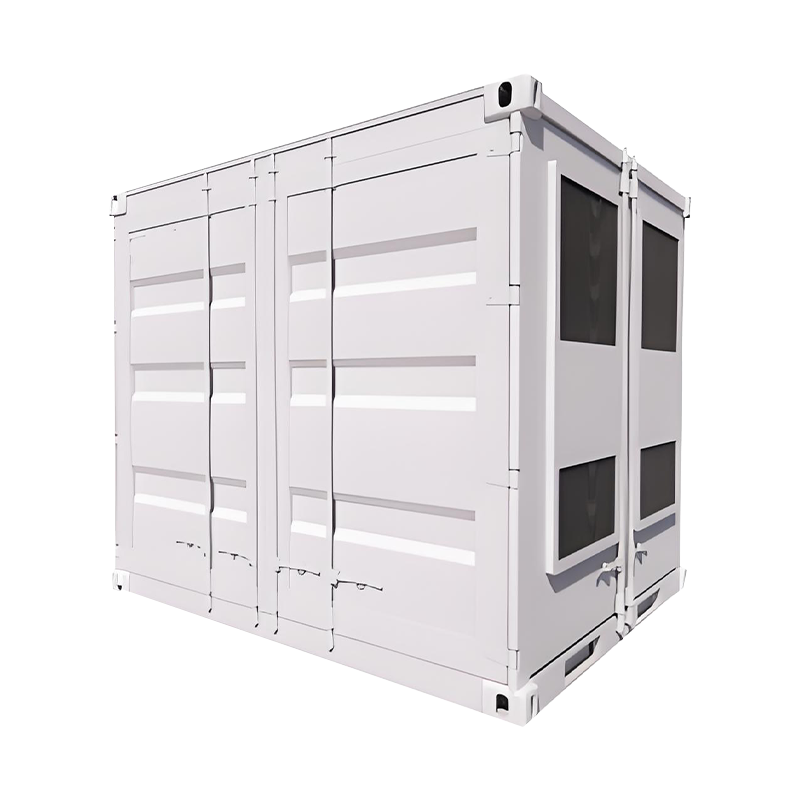 BESS-10GP
Increase electrical energy
Emergency backup power
Quick commissioning
Reduce costs
High security
Flexible expansion
Consume green electricity
Scalability
-
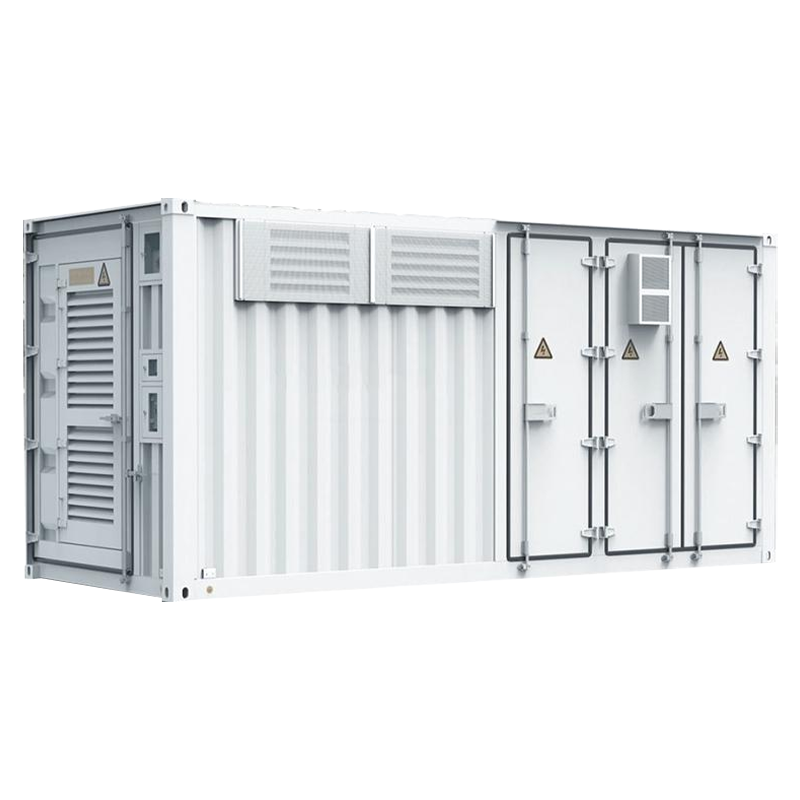 BESS-20GP
Rated power (MWh): 5
Rated power (MW): 2.5
Rated voltage (V): 1331.2
Dimensions (width * depth * height) mm: 6258*2600*2996
Weight (t): About 50
Environmental temperature (° C):- 30-55
Communication interface: RS485、CAN、 EthernetIncrease electrical energy
Emergency backup power
Quick commissioning
Reduce costs
High security
Flexible expansion
Consume green electricity
Scalability
-
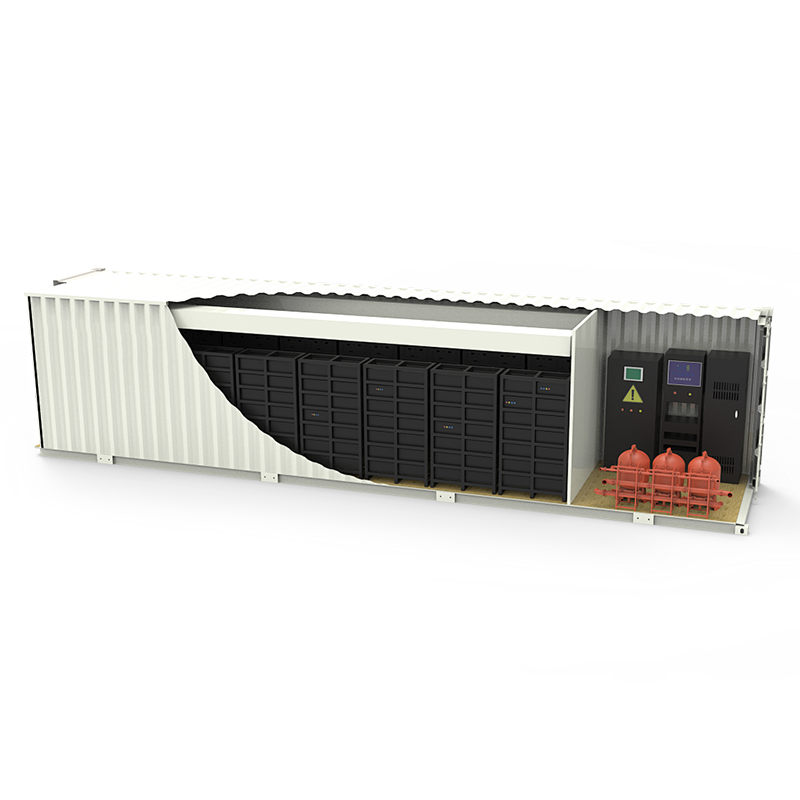 BESS-40GP
Rated power (MWh): 5.9
Rated power (MW): 2.95(8.85@10S)
Rated voltage (V): 1331.2
Dimensions (width * depth * height) mm: 12192*2900*3000
Weight (t): 50
Environmental temperature (° C):- 30-55
Communication interface: RS485、CAN、 EthernetIncrease electrical energy
Emergency backup power
Quick commissioning
Reduce costs
High security
Flexible expansion
Consume green electricity
Scalability
Projects Case
-
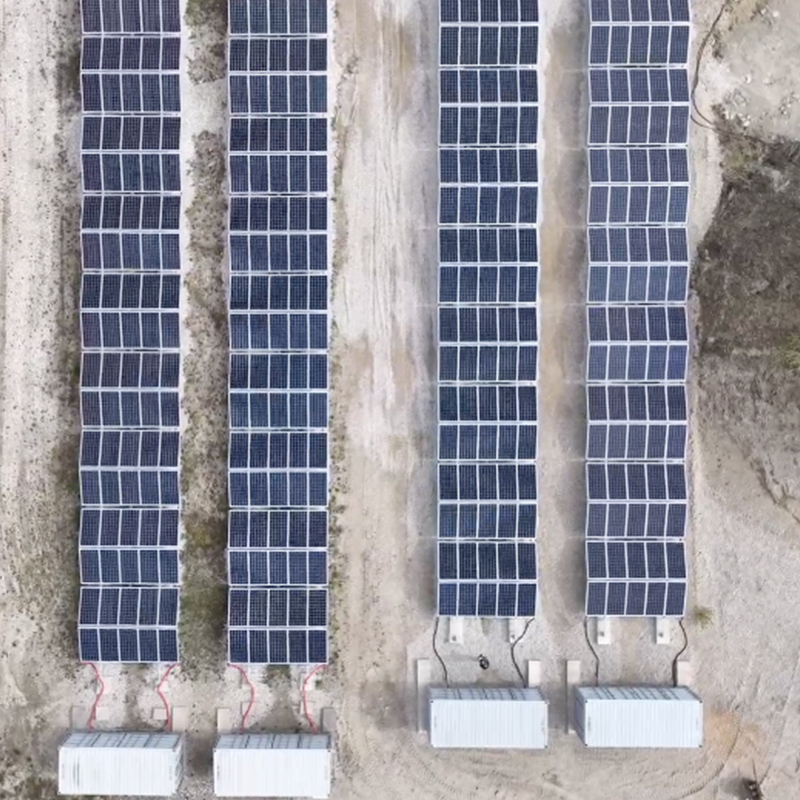
Mine lot
-
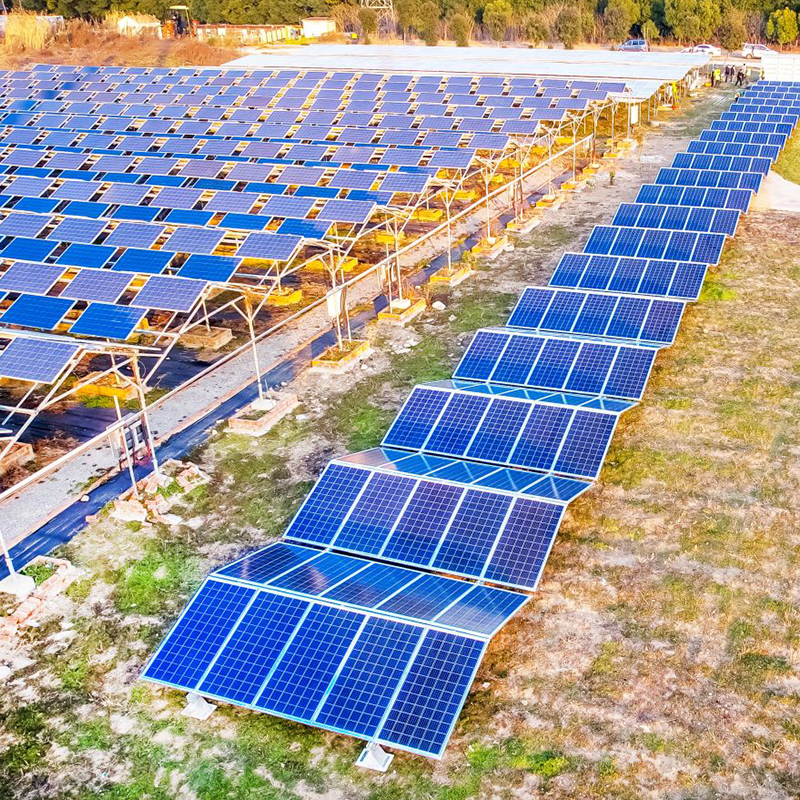
Grassland
-
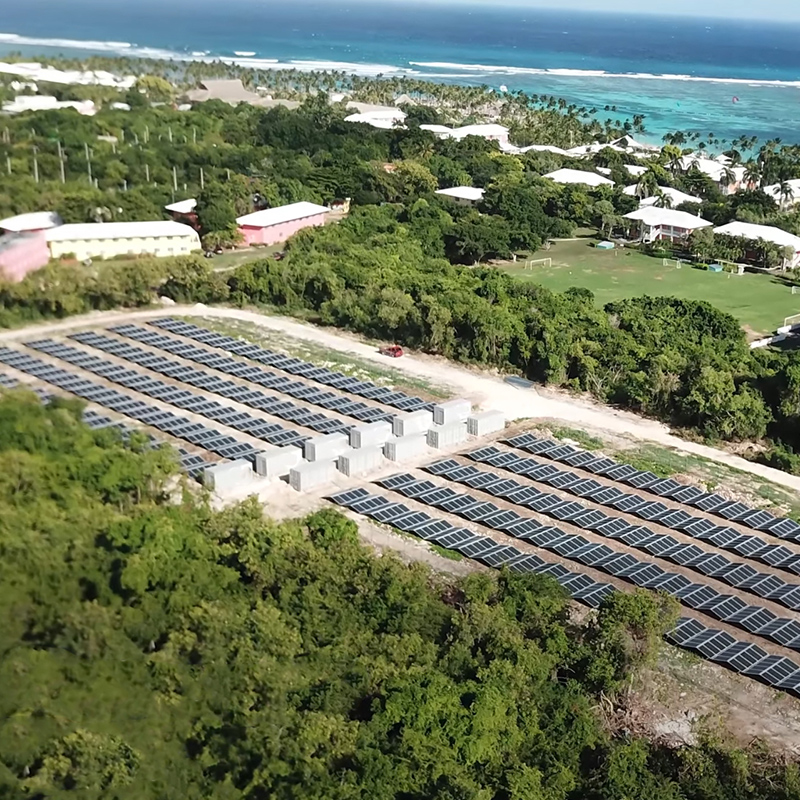
Island
-
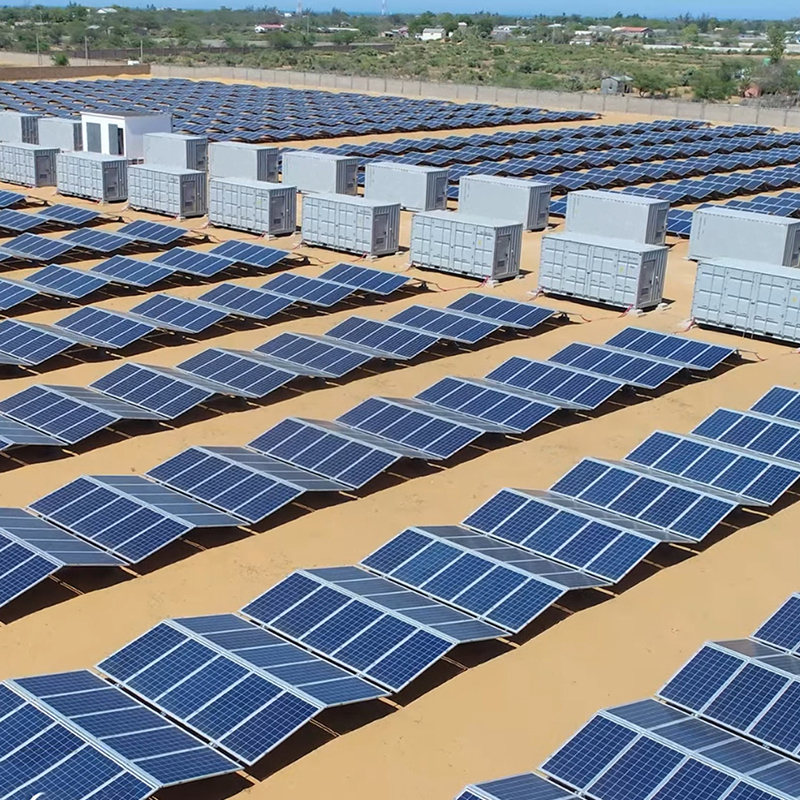
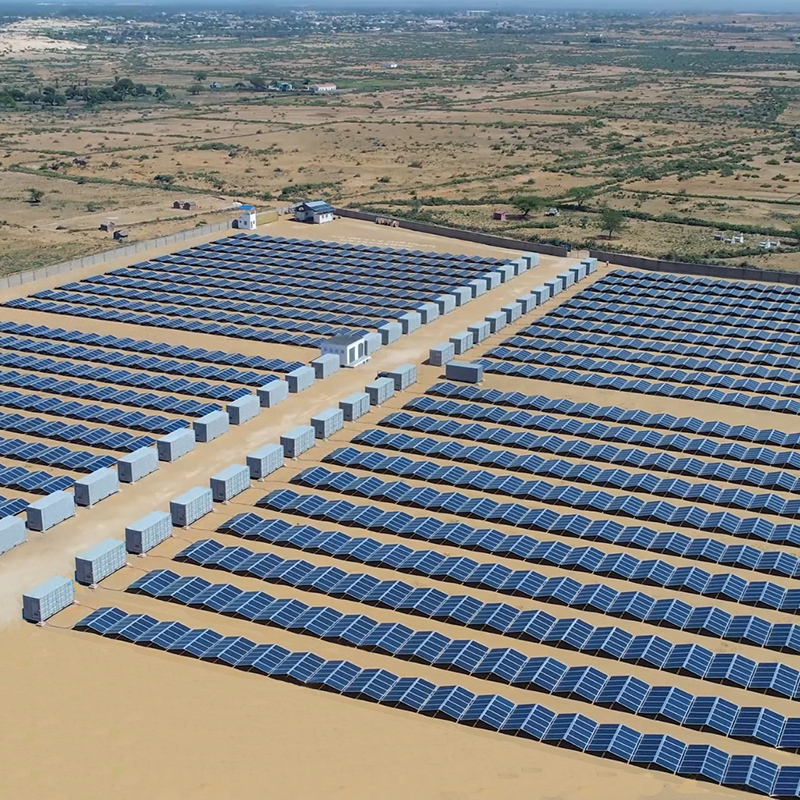
Desert
-
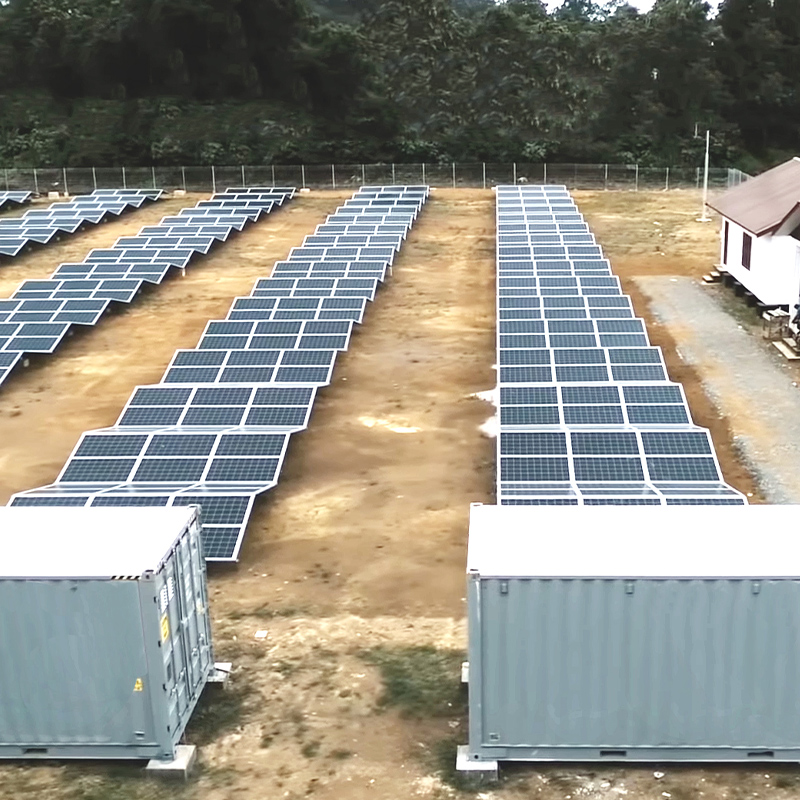
Wilderness
-
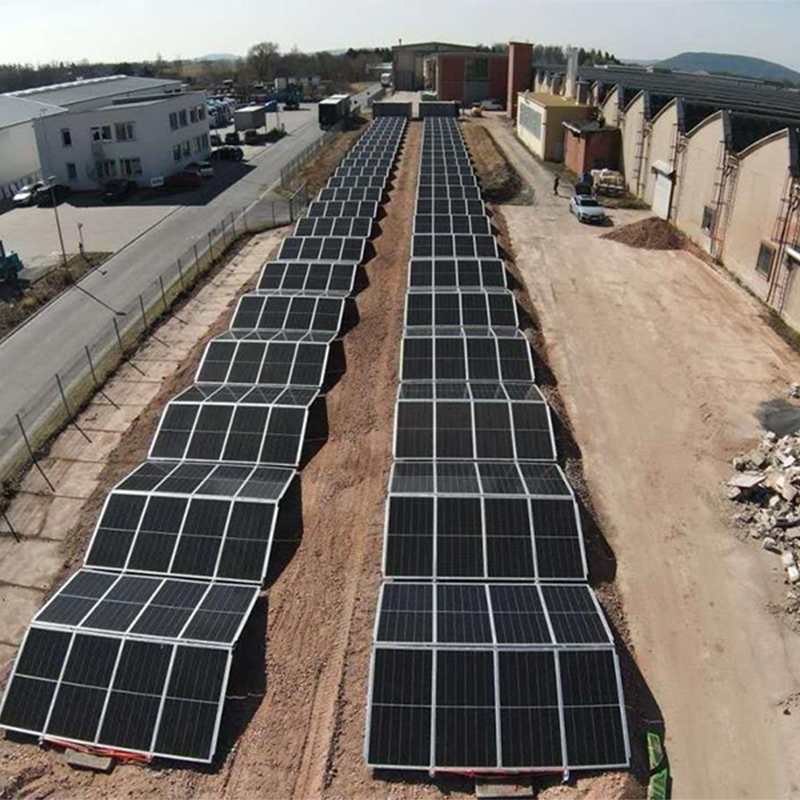
Island
-
20HQ100K
Product Consultation
We attach great importance to your letter and will reply to you as soon as possible.
SENTA ENERGY
We Are Green Energy/Smart Building/Innovative Agricultural System Producer&Integrator.
Founded in 2016, Senta Energy Co., Ltd., located in Wuxi, Jiangsu, is a high-tech enterprise mainly engaged in new energy photovoltaic power generation and energy storage business, new building prefabricated houses and new agricultural distributed planting business. ESS Container Manufacturers and Containerized Battery Energy Storage System Suppliers. Integrating independent research and development, production, sales, and service, we are committed to providing global users with overall solutions for the whole life cycle intelligent energy, intelligent buildings, and intelligent planting.
-
2016
Founded in 2016
-
60+
Number of patents
-
20+
Cooperative countries
-
xx
Collaboration case

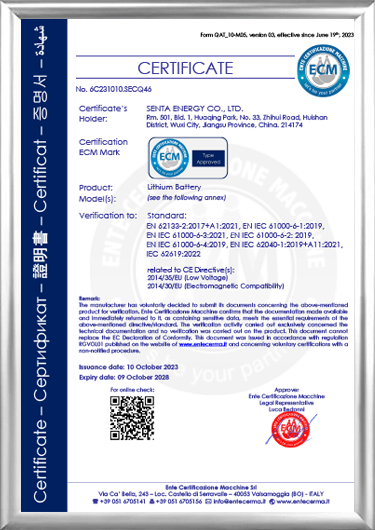
Certificates
The Honor
We Have Received.
View More
We Have Received.
-More than 40 Patents, among which 7 inventions
-1 integrated circuit
-8 Software copyright
-More than 60 Trademarks, among which 1 international trademark
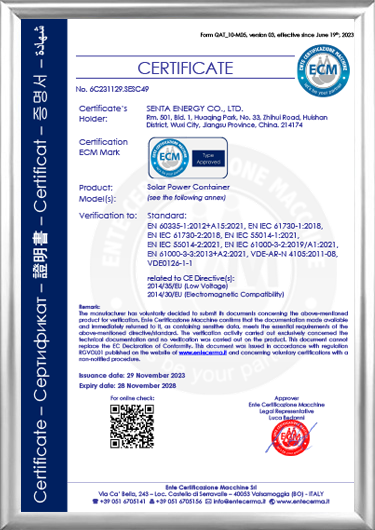
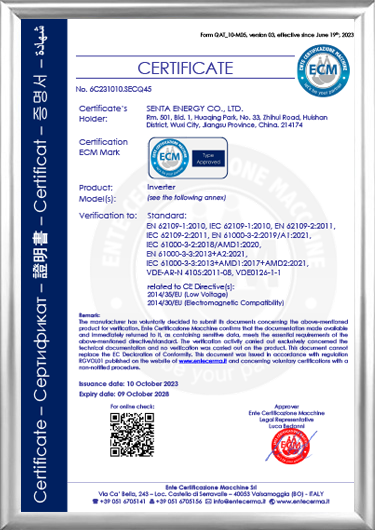
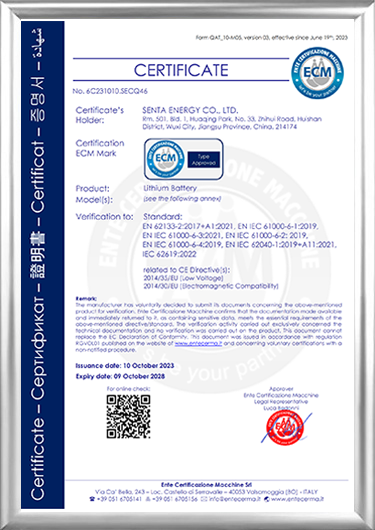
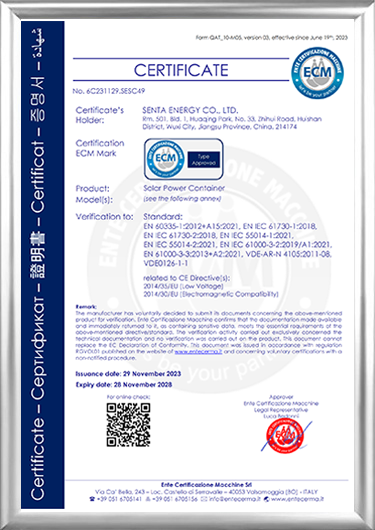
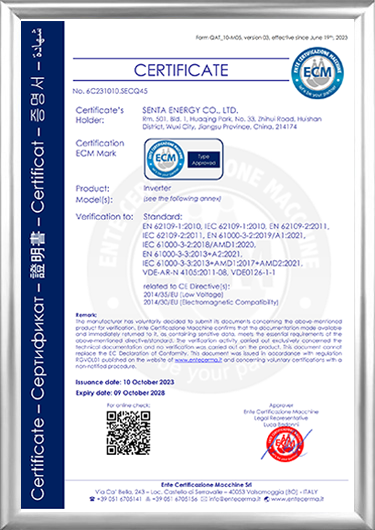
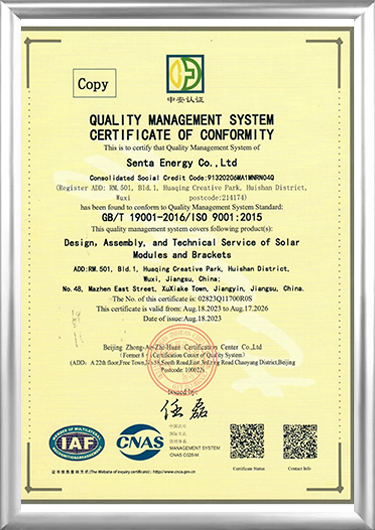
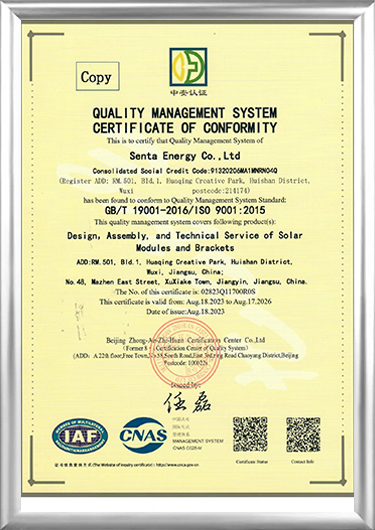
News
-
In a remote mining camp, a disaster relief site, or a curved building facade, the choice between monocrystalline and amorphous solar panels often com...
READ MORE -
Low Voltage vs High Voltage: The Bottom Line Up Front If you are specifying a solar-plus-storage system, the choice between low voltage and high volt...
READ MORE -
A container camp 120 km from the nearest substation needs 60 kW of continuous power and roughly 180 kWh a day. Two quotes land on the same desk: a 10...
READ MORE -
A 40 ft high cube sealed up in August will read around 55°C on its sun-facing steel wall while the shaded wall sits near 30°C. Twelve hours later tha...
READ MORE
Message Feedback
Senta Energy Co., Ltd. is a high-tech enterprise based in Wuxi, Jiangsu, China, specializing in photovoltaic power generation and energy storage systems. As a Battery ESS Container manufacturer, we design and produce containerized battery energy storage systems for industrial and commercial applications. Our range covers peak shaving, valley filling, AC grid expansion, factory backup power, and off-grid emergency supply, with IP67 protection and modular scalability.
Product Range and Models
We offer three standard container models, each engineered for specific capacity and deployment requirements. All models integrate battery racks, power conversion, thermal management, and fire protection within a single ISO-standard container.
| Model | Capacity | Voltage | Dimensions (W×D×H mm) | Weight | Cooling |
|---|---|---|---|---|---|
| BESS-10GP | 1 MWh | 716.8 V | Standard 20 ft | 18 t | Air conditioning |
| BESS-20GP | 5 MWh | 1331.2 V | 6258 × 2600 × 2996 | ~50 t | Air conditioning |
| BESS-40GP | 5.9 MWh | 1331.2 V | 12192 × 2900 × 3000 | 50 t | Air conditioning |
Each model includes a fire protection system, operates in ambient temperatures from -30°C to 55°C (BESS-20GP/40GP) or -20°C to 60°C (BESS-10GP), and supports RS485, CAN, and Ethernet communication interfaces.
Application Fit
Our Battery ESS Containers are built for industrial and commercial environments where grid stability and energy cost control are critical. Typical applications include:
- Peak shaving and valley filling – Charge during low-tariff periods and discharge during peak demand to reduce electricity costs.
- AC power grid expansion – Provide supplementary capacity to support growing industrial loads without immediate grid upgrades.
- Factory backup power – Maintain critical operations during grid outages with seamless transition.
- Off-grid emergency supply – Deliver reliable power for remote sites, disaster relief, and temporary installations.
The IP67-rated enclosure makes the container dust-tight and resistant to water immersion up to 1 meter for 30 minutes, allowing outdoor deployment in harsh conditions such as deserts, islands, and mining sites.
Engineering and Configuration
We design each container around your specific energy profile. The modular architecture allows you to start with a single unit and expand capacity as demand grows. Our engineering team selects battery modules, inverters, and thermal management components based on your required charge/discharge rate, ambient conditions, and grid interface.
Standard configurations include 0.5C charge/discharge rate, air-conditioning cooling, and integrated fire suppression. For projects requiring higher power, we can adjust the battery chemistry and system voltage to match your load.
Controls and Automation Integration
Each container is equipped with a local controller that manages charging, discharging, and state-of-charge balancing. Communication via RS485, CAN, or Ethernet allows integration with your existing SCADA or energy management system (EMS). For hybrid setups, we can integrate the container with your existing diesel generator using ATS/STS controllers, provided you share the generator's brand and parameters.
Remote monitoring is available through the inverter's built-in Wi-Fi/GPRS module or a dedicated EMS software for larger fleets. We provide the necessary communication protocols and documentation to ensure smooth integration with your control room.
Quality Assurance and Compliance
Our manufacturing process follows strict industry standards. The entire system carries CE and ISO certifications; the container itself is CSC-certified for shipping. Key components such as solar panels, inverters, and batteries hold CE, TUV, VDE, NRS, MSDS, and UN38.3 certifications as applicable. We also offer a two-year system warranty from the date of shipment, with component-level warranties transferred from suppliers after that period.
For country-specific certification requirements, we cooperate with relevant bodies to obtain the necessary approvals before delivery.
Information We Use to Configure Your Solution
To prepare an accurate proposal and system design, we need the following project data:
- Site location, ambient temperature range, and installation environment (indoor/outdoor, altitude, humidity).
- Load profile: peak demand, average consumption, and critical loads that require backup.
- Grid connection type: on-grid, off-grid, or hybrid with existing diesel genset.
- Desired autonomy time and charge/discharge cycles per day.
- Preferred battery chemistry (LFP or others) and any brand preferences for inverters or modules.
- Communication and monitoring requirements (local or remote EMS).
- Transport and installation constraints, including crane access and site dimensions.
With this information, our engineers will match the appropriate model, configure the battery racks, and provide a layout drawing, single-line diagram, and commissioning plan.
Related Products
Our energy storage containers can be combined with Solar Power Containers for complete solar-plus-storage solutions. For smaller distributed projects, explore our Solar Power Boxes and Components Products to source inverters, batteries, and supporting facilities.
Frequently Asked Questions
What is the typical lead time for a Battery ESS Container?
Lead time depends on configuration and component availability. Standard models typically ship within 4–6 weeks after order confirmation. Customized systems may require additional engineering time.
Can we use our own inverters or batteries?
Yes, we can integrate customer-specified components, but you must provide datasheets for our engineers to verify compatibility and system performance. We generally recommend our standard components because they are pre-tested and matched for optimal operation.
How is the container transported and installed?
Containers are shipped as standard ISO units, suitable for road, rail, or sea freight. On-site installation requires a flat foundation and crane offloading. Our team provides installation guides and can offer on-site supervision if needed.
What maintenance is required?
Routine maintenance includes checking cooling filters, battery terminal torque, and fire suppression system pressure. We provide a maintenance manual and recommend annual inspections. Remote monitoring helps identify issues early.
Do you support OEM/ODM projects?
Yes, we offer OEM and ODM services. We can customize the container layout, branding, and control software to meet your project requirements. Contact us with your specification for a feasibility review.
Copyright © Senta Energy Co., Ltd. All Rights Reserved.

Integrated Solar Energy Storage Container Solutions in China