

 en
en  English
 中文简体
中文简体 عربى
عربى
Content
- 1 What Is a Battery ESS Container and How Does It Work?
- 2 Core Components Inside a Battery ESS Container
- 3 Standard Container Sizes and Typical Capacity Ratings
- 4 Key Applications of Battery ESS Containers
- 5 Site Planning and Civil Requirements for ESS Container Deployment
- 6 Leading Battery ESS Container Manufacturers and Products
- 7 Safety Standards and Certifications for ESS Containers
- 8 Total Cost of Ownership and Economic Considerations
- 9 Emerging Trends Shaping the Battery ESS Container Market
What Is a Battery ESS Container and How Does It Work?
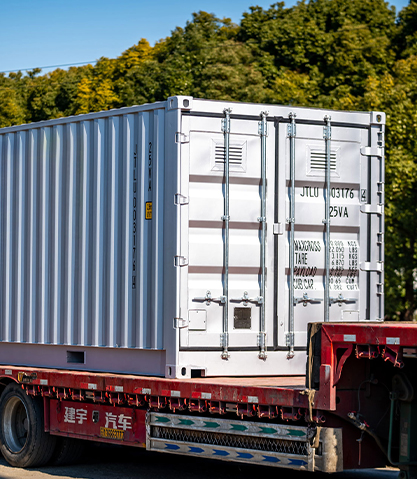
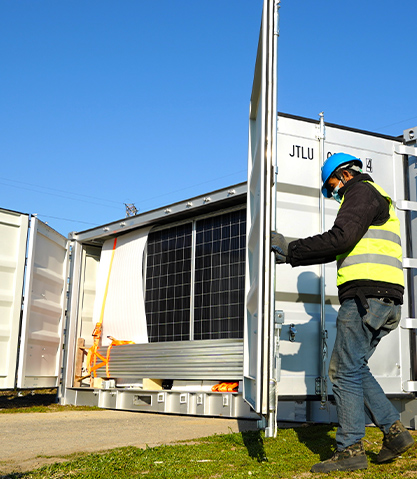
A battery energy storage system (ESS) container is a self-contained, factory-assembled unit that integrates battery modules, power conversion equipment, thermal management systems, fire suppression infrastructure, and monitoring electronics within a standardized enclosure — most commonly an ISO shipping container frame of 20-foot or 40-foot dimensions. This containerized approach allows grid operators, industrial facilities, and renewable energy developers to deploy large-scale energy storage rapidly, with minimal on-site civil engineering and commissioning time compared to custom-built battery rooms or vault installations.
Inside a typical battery ESS container, lithium iron phosphate (LFP) or nickel-manganese-cobalt (NMC) battery racks are arranged in rows along the interior walls, connected in series and parallel configurations to achieve target voltage and capacity specifications. A battery management system (BMS) monitors every cell's voltage, temperature, and state of charge in real time, communicating with a central energy management system (EMS) that coordinates charge and discharge cycles based on grid signals or site load demands. A bidirectional power conversion system (PCS) — either integrated within the container or installed in an adjacent cabinet — converts DC power from the battery banks to AC power compatible with the local grid or facility infrastructure.
Core Components Inside a Battery ESS Container
Understanding what physically sits inside an ESS container is essential for procurement engineers, project developers, and facility managers who need to evaluate proposals, compare vendors, and plan installation sites. Each subsystem plays a distinct and critical role in safe, reliable operation.
Battery Modules and Racks
The battery modules are the core energy storage medium. In a 40-foot ESS container, typical configurations include 8 to 20 battery racks, each rack containing 8 to 16 battery modules, with each module housing anywhere from 16 to 280 prismatic or cylindrical cells depending on the chemistry and form factor. LFP chemistry dominates the utility-scale containerized ESS market due to its thermal stability, long cycle life (3,000–6,000 full cycles), and lower cost per kWh compared to NMC. A single 40-foot LFP container from leading manufacturers currently delivers between 2 MWh and 5 MWh of usable energy, with the higher end achievable through advanced cell-to-rack packaging and increased energy density cells.
Battery Management System (BMS)
The BMS operates at three hierarchical levels: cell-level monitoring (measuring individual cell voltages and temperatures), module-level balancing (redistributing charge across cells to prevent capacity divergence), and rack-level protection (triggering contactors to isolate faulty strings). A well-engineered BMS is critical not only for performance but for safety — it must detect cell-level thermal anomalies before they escalate into thermal runaway events. State-of-the-art BMS platforms now incorporate electrochemical impedance spectroscopy (EIS) and AI-assisted state-of-health (SOH) estimation to predict degradation and optimize dispatch strategies over the system's 10–20 year operational life.
Power Conversion System (PCS)
The PCS is the electrical interface between the DC battery bank and the AC grid. In containerized ESS, PCS units are typically rated between 500 kW and 2.5 MW per container. Modern PCS designs achieve round-trip conversion efficiencies exceeding 97% and support grid-forming or grid-following control modes. Grid-forming capability — the ability of the PCS to establish voltage and frequency references independently — is increasingly critical for microgrids and systems operating in islanded mode. Some container designs integrate the PCS internally; others connect to a separate PCS skid or central inverter station, which may reduce container complexity but increases on-site wiring and footprint requirements.
Thermal Management System
Maintaining battery temperature within an optimal range — typically 15°C to 35°C for LFP — is essential for both performance and longevity. ESS containers use one of three primary thermal management approaches: air cooling (forced convection via HVAC units), liquid cooling (cold plates or immersion cooling circuits integrated into each rack), or hybrid systems. Liquid cooling offers superior thermal uniformity and allows higher charge/discharge rates without accelerating degradation, but adds plumbing complexity and maintenance requirements. In climates with extreme heat or cold, the thermal management system must also provide heating capacity — PTC heaters or heat pump circuits — to prevent capacity loss or cell damage during winter operation. Leading manufacturers specify that their containers operate in ambient temperature ranges from -30°C to +55°C with appropriate thermal management active.
Fire Detection and Suppression
Fire safety is a non-negotiable element of any battery ESS container design. Modern containers incorporate multi-layer detection: electrochemical gas sensors that detect hydrogen, carbon monoxide, and volatile organic compounds released during early-stage thermal runaway; thermal sensors and smoke detectors as secondary triggers; and optical flame detectors as a final confirmation layer. Suppression systems typically use heptafluoropropane (HFP/FM-200), CO₂, or — increasingly — water mist systems specifically designed for lithium battery fires. Some leading designs include cell-level venting channels that direct off-gases away from adjacent cells and into dedicated exhaust pathways, reducing the probability of cascade failures propagating across a rack.
Standard Container Sizes and Typical Capacity Ratings
Battery ESS containers are available in a range of standard footprints that align with ISO intermodal dimensions, enabling transportation by truck, rail, or ship without special permits. The table below outlines the most common configurations available from major manufacturers as of 2024–2025:
| Container Size | Usable Energy Capacity | Typical Power Rating | Primary Use Case | Approx. Weight (Loaded) |
|---|---|---|---|---|
| 10-foot | 250–500 kWh | 125–250 kW | C&I peak shaving, microgrids | 8–12 tons |
| 20-foot | 1–2 MWh | 500 kW – 1 MW | Utility ancillary services, solar+storage | 18–25 tons |
| 40-foot (standard) | 2–5 MWh | 1–2.5 MW | Grid-scale BESS, LDES, frequency regulation | 30–40 tons |
| 40-foot (high-cube) | 3.5–6.9 MWh | 1.5–3.45 MW | Large utility projects, BESS augmentation | 35–45 tons |
Key Applications of Battery ESS Containers
Containerized battery ESS units serve a broad range of applications across the electricity value chain, from generation-side storage to behind-the-meter industrial deployments. The modular nature of container-based systems allows projects to scale from hundreds of kilowatt-hours to hundreds of megawatt-hours simply by adding parallel container strings.
Grid-Scale Frequency Regulation and Ancillary Services
Battery ESS containers are among the fastest-responding resources on the electrical grid. They can transition from standby to full rated power output in under 100 milliseconds — far faster than gas peakers or hydroelectric units. This makes them exceptionally well-suited for frequency regulation markets, where grid operators pay a premium for resources that can absorb or inject power rapidly to maintain grid frequency at 50 Hz or 60 Hz. Projects like Hornsdale Power Reserve in South Australia (150 MW / 194 MWh, using Tesla Megapack containers) demonstrated that battery ESS can outperform spinning reserve assets in response speed and accuracy, reducing frequency deviation events and earning significant ancillary service revenues.
Solar and Wind Energy Firming
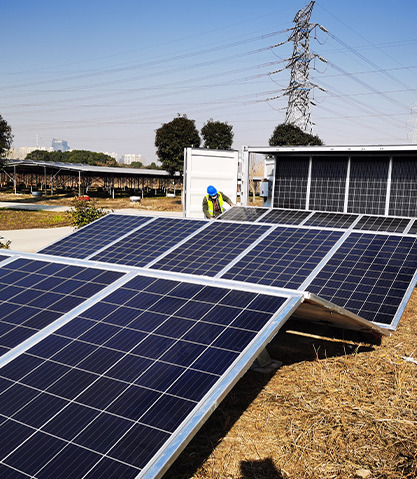
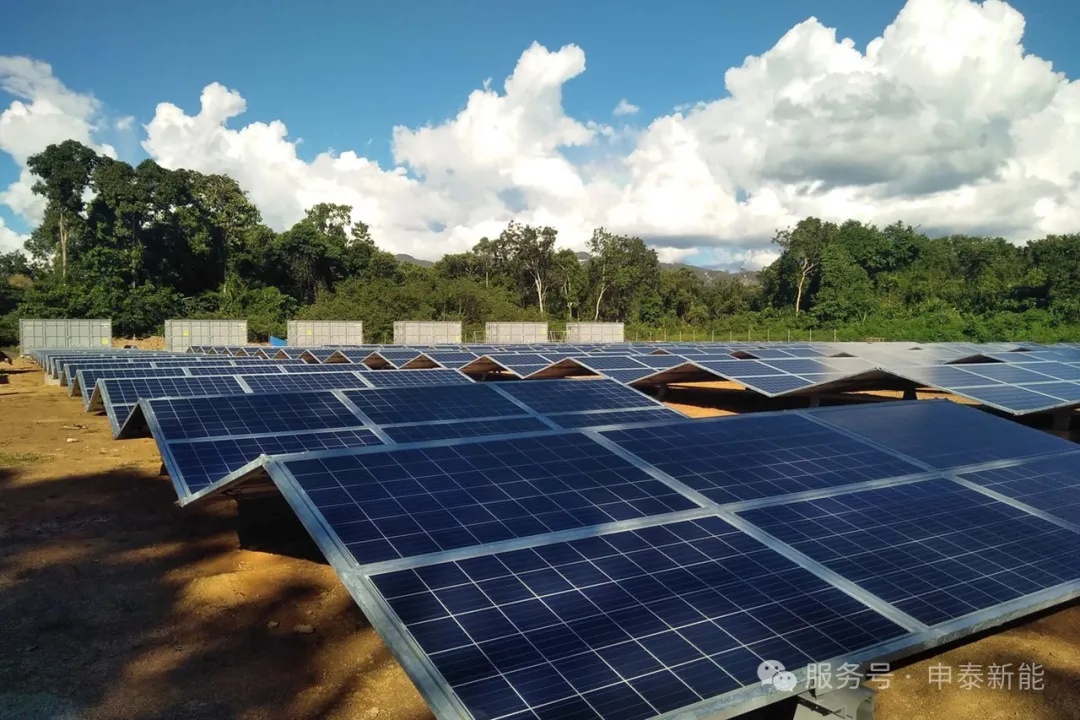
Renewable energy sources produce power intermittently, creating ramp events and generation gaps that challenge grid stability. A battery ESS container co-located with a solar PV or wind farm acts as a buffer — absorbing excess generation during peak production periods and discharging during cloud transients, wind lulls, or evening demand peaks. In utility-scale hybrid plants, the storage system is sized to provide 1 to 4 hours of energy throughput relative to the renewable plant's nameplate capacity. This "firming" capability transforms variable generation into a more predictable, schedulable resource, improving the plant's capacity credit and market value. Many jurisdictions and offtake purchasers now require storage pairing as a condition of renewable energy procurement contracts.
Commercial and Industrial Peak Demand Management
Industrial facilities and large commercial buildings often face demand charges that constitute 30–50% of their monthly electricity bills. These charges are triggered by peak consumption events — sometimes as short as 15 minutes — during billing periods. A behind-the-meter battery ESS container can monitor facility load in real time and discharge preemptively to clip these demand peaks, reducing the measured peak and therefore the demand charge. Payback periods for C&I peak shaving applications typically range from 3 to 7 years depending on local tariff structures, battery cost, and facility load profiles. Containerized systems are particularly attractive in this segment because they can be deployed in parking lots, rooftops, or adjacent land without significant building modifications.
Microgrids and Remote Off-Grid Power
Remote communities, island grids, mining operations, and military installations that rely on diesel generation face high fuel costs, supply chain risks, and emissions challenges. Battery ESS containers combined with solar or wind generation dramatically reduce diesel consumption — in some hybrid microgrid configurations, by 70–90% — while improving power quality and reliability. The self-contained nature of ESS containers makes them ideal for these applications: a complete system can be shipped by flatbed truck or barge, craned into position, and commissioned within days. Projects in Alaska, Australia's Outback, and Pacific Island nations have demonstrated the technical and economic viability of this approach, with levelized costs of storage competitive with diesel generation at fuel prices above $1.00/liter.
Transmission Congestion Relief and Grid Deferral
In regions where transmission infrastructure is constrained, battery ESS containers can be sited at load centers to defer or avoid costly grid upgrades. By charging during off-peak periods when transmission lines have spare capacity and discharging during peak demand hours, a strategically placed ESS container can reduce the peak power flowing through a bottleneck transmission or distribution segment. Utilities in California, New York, and the UK have deployed containerized ESS specifically for non-wires alternatives (NWA) programs, avoiding hundreds of millions in infrastructure capital expenditure while delivering equivalent reliability outcomes. The flexibility to relocate containerized assets — should the grid topology change — gives utilities optionality that fixed infrastructure investments cannot provide.
Site Planning and Civil Requirements for ESS Container Deployment
Successful deployment of a battery ESS container project requires careful site planning that addresses structural, electrical, access, and safety requirements. Inadequate site preparation is one of the most common causes of project delays and cost overruns in containerized storage installations.
- Foundation and pad design: ESS containers require level, reinforced concrete pads capable of supporting loads of 30–45 tons per container, plus dynamic loads during seismic events. Gravel pads with steel beams are a lower-cost alternative used in some temporary or semi-permanent deployments. Adequate drainage must be designed into the pad to prevent water ingress under the container floor.
- Container spacing and clearance: Fire codes and manufacturer requirements typically mandate minimum clearances of 1–3 meters between adjacent containers to allow emergency access and prevent fire propagation. Local fire authority jurisdiction (AHJ) requirements must be reviewed early in the design process, as they vary significantly between regions and can affect overall site footprint by 20–40%.
- Electrical interconnection: High-voltage AC cables, DC busbars (in DC-coupled configurations), communications conduits, and grounding infrastructure must be coordinated between containers and the point of interconnection. Medium-voltage switchgear, step-up transformers, and protection relays are typically housed in a separate electrical room or skid adjacent to the battery containers.
- Perimeter security and access control: Utility-scale ESS installations require perimeter fencing (typically 2.4 m chain-link with barbed wire), vehicle access gates, CCTV surveillance, and intruder detection systems to comply with NERC CIP or equivalent cybersecurity and physical security standards. Access control for authorized maintenance personnel must be integrated with the site's overall safety management system.
- Communications and SCADA connectivity: Each container requires a communications gateway connected to the site EMS and, in grid-connected applications, to the utility's SCADA or energy management platform via fiber, cellular, or dedicated leased line. Redundant communication paths are recommended for critical grid assets to ensure continuous monitoring and control availability.
Leading Battery ESS Container Manufacturers and Products
The global market for containerized battery ESS is served by a competitive field of manufacturers spanning the full supply chain — from cell manufacturers who have vertically integrated into system integration, to independent system integrators who source cells and assemble complete container solutions. The following overview highlights the most prominent products and their distinguishing characteristics:
| Manufacturer | Product Name | Energy per Unit | Chemistry | Key Feature |
|---|---|---|---|---|
| Tesla Energy | Megapack 2 XL | 3.9 MWh | LFP | Integrated PCS, Autobidder software |
| CATL | EnerC / TENER | Up to 6.25 MWh | LFP | Cell-to-pack, zero-degradation warranty yr 1–5 |
| BYD | BYD MC Cube-T | 2.2–5 MWh | LFP (Blade) | Blade cell design, high cycle life |
| Fluence (Siemens/AES) | Gridstack Pro | Modular (MW-scale) | LFP / NMC | AI-driven Mosaic OS, multi-vendor flexibility |
| Sungrow | PowerTitan 2.0 | 5 MWh | LFP | Liquid cooling, pre-assembled AC/DC |
| Powin | Stack500 | 2–4 MWh | LFP | StackOS software, modular stacking design |
Safety Standards and Certifications for ESS Containers
Compliance with applicable safety standards is both a regulatory requirement and a critical factor in securing financing, insurance, and grid interconnection approvals for battery ESS container projects. The regulatory landscape is complex, with standards overlapping across electrical, fire, and building code domains.
- UL 9540 (Standard for Energy Storage Systems and Equipment): The primary system-level safety standard for ESS in North America. UL 9540 evaluates the complete assembled ESS — including batteries, PCS, BMS, and enclosure — for electrical, fire, and mechanical safety. Compliance is required by most US building and fire codes for commercial and utility-scale deployments.
- UL 9540A (Test Method for Evaluating Thermal Runaway Fire Propagation): A companion test method to UL 9540 that specifically evaluates whether thermal runaway in one cell or module will propagate to adjacent units within the container. UL 9540A results directly inform fire separation distance requirements specified by AHJs and the NFPA 855 standard. Systems with favorable UL 9540A results may qualify for reduced setback distances.
- NFPA 855 (Standard for the Installation of Stationary Energy Storage Systems): Sets maximum energy storage quantities per fire compartment, required fire suppression systems, ventilation requirements, and emergency responder access provisions. The 2023 edition introduced updated guidance specific to large outdoor containerized systems.
- IEC 62933 (Electrical Energy Storage Systems): The international standard series governing ESS performance testing, safety, and environmental requirements. IEC 62933-2 covers safety requirements for grid-connected systems, while IEC 62933-5 addresses environmental assessments including life cycle analysis.
- IEC 62619 (Safety Requirements for Secondary Lithium Cells in Stationary Applications): Cell and battery-level standard covering abuse tolerance testing (overcharge, short circuit, thermal exposure) and design requirements for cells used in stationary ESS applications.
- NERC CIP (Critical Infrastructure Protection) Standards: For grid-connected ESS in North America classified as bulk electric system (BES) assets, NERC CIP cybersecurity standards mandate specific controls over electronic access, physical security, incident response, and supply chain risk management for BMS and EMS software and hardware.
Total Cost of Ownership and Economic Considerations
Evaluating the true cost of a battery ESS container project requires a comprehensive total cost of ownership (TCO) analysis that goes well beyond the initial capital expenditure for the hardware. Procurement managers and project finance teams must account for a full range of cost drivers over the system's operational life, typically 10–20 years.
Capital Expenditure Breakdown
As of 2024–2025, turnkey utility-scale battery ESS container systems are procured at capital costs of approximately $180–$300 per kWh for the complete AC-coupled system, including containers, PCS, transformers, EMS, site preparation, and commissioning. LFP-based systems at the lower end of this range are available from Chinese manufacturers including CATL, BYD, and Sungrow. Systems from Western integrators or those requiring domestic content compliance (for US ITC/IRA incentive qualification) typically sit at the higher end or above this range. Battery costs represent approximately 50–60% of the total system cost, with PCS, balance of plant, and EPC services comprising the remainder.
Operating and Maintenance Costs
Annual operating and maintenance (O&M) costs for containerized ESS typically range from $5 to $15 per kWh per year, depending on the service contract scope, system complexity, and site remoteness. O&M activities include preventive maintenance of HVAC and cooling systems, BMS software updates, thermal management fluid replacement (for liquid-cooled systems), fire suppression system inspections, and cybersecurity patching. Augmentation costs — the expense of adding battery capacity to compensate for capacity degradation over time and maintain contracted energy throughput — must also be budgeted, typically representing 10–20% of the original hardware cost over a 10-year period.
Revenue Streams and Value Stacking
The economics of a battery ESS container project are most favorable when the system can capture multiple revenue streams simultaneously — a practice known as value stacking. A single ESS asset can often participate in energy arbitrage (buying cheap off-peak power and selling at peak prices), frequency regulation markets, capacity markets, and provide behind-the-meter demand charge reduction concurrently, provided the dispatch software is sophisticated enough to optimize across all revenue opportunities without conflicting commitments. Projects in competitive US markets like ERCOT (Texas) and ISO-NE (New England) have demonstrated IRRs of 10–18% for well-optimized 4-hour duration ESS assets when combining energy arbitrage, ancillary services, and capacity market revenues.
Emerging Trends Shaping the Battery ESS Container Market
The containerized ESS market is evolving rapidly, driven by falling battery costs, increasing renewable penetration, and grid decarbonization mandates. Several important trends are reshaping product design, project economics, and market structure heading into the late 2020s.
- Increasing energy density per container: Manufacturers are continuously increasing the kWh per container footprint through cell-to-rack and cell-to-pack innovations, taller high-cube container frames, and higher-capacity individual cells (e.g., the 314 Ah and 628 Ah LFP prismatic cells now entering production). The trajectory suggests 40-foot containers exceeding 8–10 MWh may be commercially available by 2027.
- Longer duration storage: As grid decarbonization deepens, demand for 6–12 hour duration ESS is growing rapidly. This is driving interest in alternative chemistries — including sodium-ion, iron-air, and flow batteries — being packaged in containerized formats to serve longer-duration applications where lithium economics are less favorable.
- Second-life battery containers: Retired EV battery packs, particularly from early-generation electric buses and passenger vehicles, are being refurbished and repackaged into containerized ESS for less demanding stationary applications such as solar energy smoothing or backup power. Second-life systems can offer 30–50% lower upfront costs, though they require more rigorous BMS and careful cycle management.
- AI-driven energy management: Next-generation EMS platforms are leveraging machine learning and real-time market data to dynamically optimize dispatch decisions across multiple revenue streams, predict degradation, and schedule maintenance. Companies like Tesla (Autobidder), Fluence (Mosaic OS), and Stem (Athena) are competing aggressively on software capability as hardware differentiation narrows.
- Domestic content and supply chain localization: The US Inflation Reduction Act (IRA), EU Battery Regulation, and similar policies in Australia and India are creating strong incentives to localize battery ESS manufacturing. This is spurring significant investment in North American and European gigafactories for LFP cells and ESS container assembly, which will gradually shift procurement options for projects requiring local content qualification.
