

 en
en  English
 中文简体
中文简体 عربى
عربى
Content
Concept and Structure of Modular Solar Fold Mobile Grids
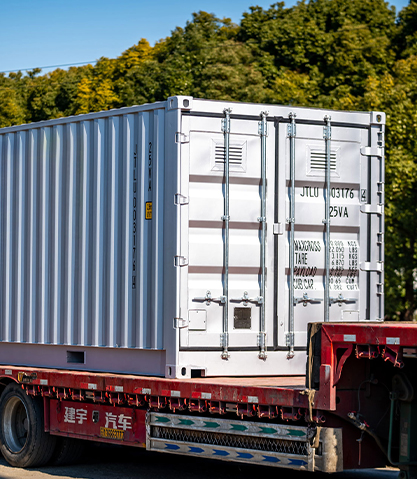
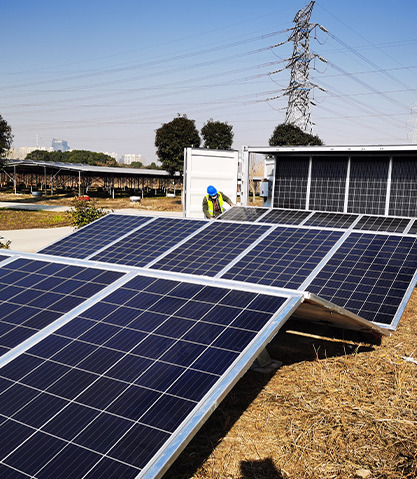
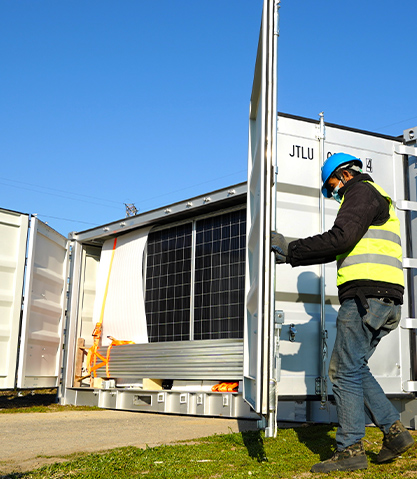
Modular solar fold mobile grids are portable power systems designed to provide flexible energy deployment in locations where fixed infrastructure is unavailable or impractical. These systems integrate foldable photovoltaic panels, modular energy storage units, power management components, and transport-friendly structures. The foldable design allows compact transportation, while the modular architecture enables capacity adjustment based on actual power demand.
Key Advantages of Modular and Foldable Design
The combination of modular construction and foldable solar arrays provides clear operational benefits in mobile and temporary energy scenarios. These features support efficient logistics, scalable power output, and fast deployment.
- Compact folded form reduces transport volume and handling complexity
- Modular units allow power capacity to be expanded or reduced as needed
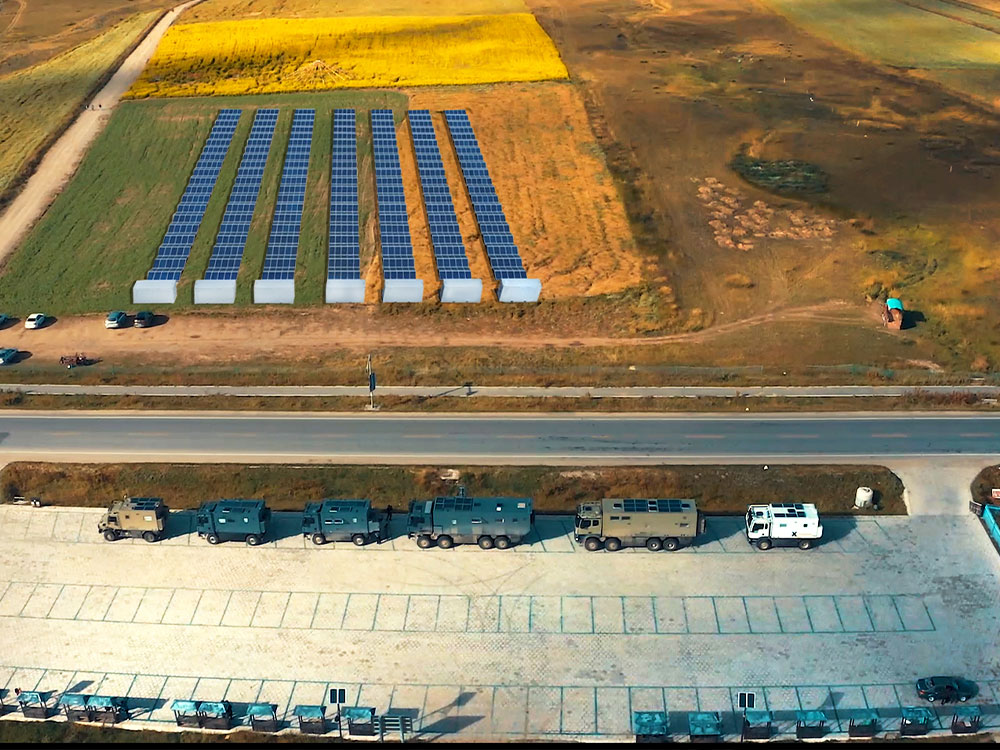
- Rapid on-site deployment without heavy civil works
- Flexible configuration for different terrain and site layouts
Core Components and Functional Modules
A modular solar fold mobile grid consists of several functional subsystems working together to deliver stable and usable power output. Each module can be optimized or replaced independently.
Foldable Solar Panel Arrays
Foldable solar panels are mounted on hinged or sliding structures that allow quick unfolding and alignment on site. These panels are designed to maintain structural stability while maximizing exposure to sunlight. Their layout supports fast setup and efficient packing for repeated relocation.
Energy Storage and Power Conversion Units
Energy storage modules store excess solar energy and provide continuous power during low irradiation periods. Integrated inverters and controllers manage voltage regulation, load balancing, and energy distribution. Modular storage design allows capacity to match short-term or extended operation requirements.
Control and Monitoring Systems
Control systems monitor power generation, storage status, and load consumption. These systems support stable operation and help operators adjust configurations based on real-time conditions. Remote monitoring options can assist in managing multiple mobile grid units across different sites.
Application Scenarios for Flexible Energy Deployment
Modular solar fold mobile grids are suitable for a wide range of temporary and mobile energy needs. Their adaptability supports diverse operational environments.
| Application Scenario | Energy Requirement | Deployment Benefit |
|---|---|---|
| Disaster Relief Sites | Temporary power for shelters and equipment | Rapid setup and autonomous operation |
| Construction and Remote Projects | On-site power for tools and monitoring systems | Reduced reliance on fuel-based generators |
| Mobile Communication Stations | Stable energy for base stations | Scalable power capacity and easy relocation |
| Field Research and Exploration | Off-grid power for instruments | Low environmental impact and portability |
Deployment and Setup Considerations
Effective deployment of modular solar fold mobile grids requires planning around site conditions, load profiles, and operational duration. Proper positioning of panels and modular layout design directly affect system efficiency.
- Select open areas with minimal shading for panel deployment
- Plan modular expansion based on peak and average load demand
- Ensure stable ground or support structures for folded panel frames
- Verify compatibility between storage modules and load requirements
Scalability and Long-Term Operational Value
One of the core strengths of modular solar fold mobile grids is their scalability. Additional modules can be integrated as energy demand grows, allowing the system to evolve with operational needs. This flexibility supports cost control by avoiding oversized initial investments while maintaining the option for future expansion.
Conclusion
Modular solar fold mobile grids provide a practical solution for flexible energy deployment across diverse mobile and temporary applications. Their foldable structure, modular scalability, and independent operation make them suitable for off-grid environments where adaptability and rapid deployment are critical. By carefully matching system configuration to site conditions and energy requirements, users can achieve reliable and efficient mobile power generation.
