

 en
en  English
 中文简体
中文简体 عربى
عربى
Content
- 1 Role of Modular Solar Power Station Containers in Microgrid Architecture
- 2 Integration with Hybrid Energy Sources
- 3 Power Management and Control Coordination
- 4 Scalability and System Expansion
- 5 Deployment in Remote and Infrastructure-Limited Areas
- 6 Environmental and Operational Reliability Factors
- 7 Comparison of Microgrid Integration Benefits
- 8 Application-Oriented Selection Considerations
Role of Modular Solar Power Station Containers in Microgrid Architecture
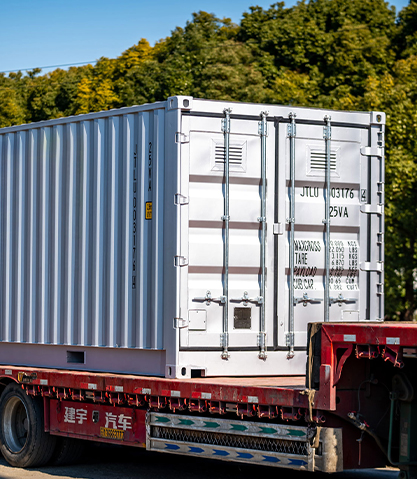
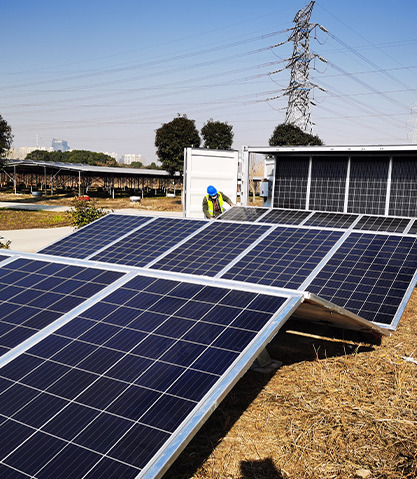
Modular solar power station containers serve as integrated energy units within microgrid systems, combining photovoltaic power conversion, control equipment, and auxiliary systems into a transportable enclosure. In microgrid architecture, these containers act as distributed generation nodes that can operate independently or in coordination with other energy sources. Their modular structure allows planners to design microgrids with predictable capacity blocks rather than bespoke on-site construction.
By centralizing power electronics and control interfaces, containerized solar stations simplify electrical layout and reduce installation complexity. This is particularly valuable in microgrids deployed across geographically dispersed or infrastructure-limited locations.
Integration with Hybrid Energy Sources
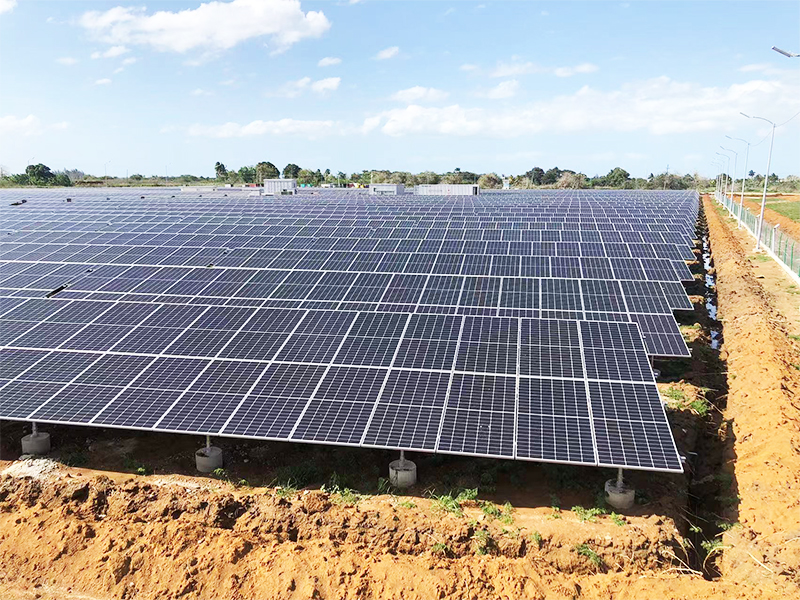
In hybrid energy systems, modular solar power station containers are commonly paired with energy storage systems, diesel generators, or wind power units. The containerized format allows standardized electrical and communication interfaces, enabling coordinated operation between renewable and conventional power sources.
Hybrid configurations use solar generation as the primary energy source during daylight hours, while storage or backup generation compensates for intermittency. The container’s internal control systems manage source switching and load balancing without requiring extensive external infrastructure.
Typical Hybrid Configurations
- Solar and battery storage systems for daily load smoothing
- Solar and diesel generator combinations for remote power reliability
- Solar, wind, and storage systems for diversified renewable supply
Power Management and Control Coordination
Effective microgrid operation relies on precise power management, and modular solar power station containers are designed to support this requirement. Integrated controllers monitor generation output, load demand, and system status in real time. These controls enable dynamic adjustment of power flows to maintain voltage and frequency stability.
When operating within hybrid systems, the container’s control logic coordinates with external energy management systems to prioritize renewable input, reduce fuel consumption, and limit unnecessary cycling of backup generators.
Scalability and System Expansion
One of the main advantages of modular solar power station containers in microgrid applications is scalability. Additional containers can be added as load demand increases, without redesigning the entire system. This modular expansion approach supports phased investment and gradual capacity growth.
Standardized container dimensions and electrical interfaces allow new units to be integrated with minimal disruption to existing operations, making them suitable for long-term microgrid development strategies.
Deployment in Remote and Infrastructure-Limited Areas
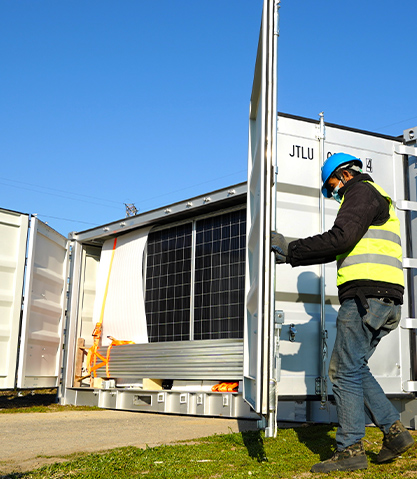
Microgrids are often deployed in remote locations where grid access is unavailable or unreliable. Modular solar power station containers are well suited to these environments due to their transportability and pre-assembled design. Most installation work can be completed off-site, reducing the need for skilled labor in challenging locations.
Once delivered, containers require limited site preparation and can be commissioned rapidly, enabling faster access to stable power for communities, industrial sites, or temporary installations.
Environmental and Operational Reliability Factors
Containerized solar power stations are engineered to operate under a wide range of environmental conditions. Enclosures protect sensitive components from dust, humidity, and temperature fluctuations, which is critical for maintaining reliable microgrid performance.
Thermal management systems within the container help maintain stable operating conditions for inverters and control electronics, supporting consistent output in both standalone and hybrid energy systems.
Comparison of Microgrid Integration Benefits
| Integration Aspect | Microgrid Benefit | Hybrid System Benefit |
| Modular Design | Flexible capacity planning | Easy source combination |
| Integrated Controls | Stable local grid operation | Optimized energy dispatch |
| Containerized Structure | Rapid deployment | Reduced installation complexity |
Application-Oriented Selection Considerations
Selecting modular solar power station containers for microgrid and hybrid energy systems requires alignment with load profiles, expansion plans, and environmental conditions. Factors such as control system compatibility, enclosure protection level, and integration with storage or backup generation should be evaluated during system design.
When properly matched to application requirements, modular solar power station containers provide a structured and adaptable foundation for reliable microgrid and hybrid energy deployment.
