

 en
en  English
 中文简体
中文简体 عربى
عربى
Content
Introduction to Movable Solar Power Plants and Traditional Solar Farms
Solar energy is rapidly becoming a cornerstone of sustainable power generation. Two common deployment models are traditional solar farms and movable solar power plants. While both generate electricity from sunlight, their design, installation, and operational methods differ significantly. Understanding these differences is crucial for selecting the most suitable solution for specific energy needs.
Key Features of Traditional Solar Farms
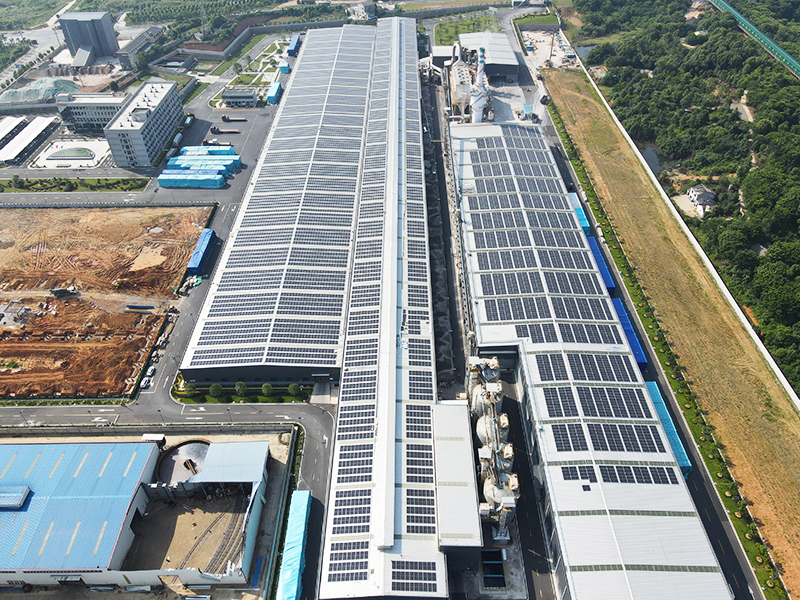
Traditional solar farms are stationary installations composed of multiple solar panels arranged over large land areas. They are designed for long-term energy production and are typically connected to the main electrical grid.
- High-capacity energy generation, often in the megawatt range.
- Permanent structures with long operational lifespans, typically 20–25 years.
- Requires substantial land, civil work, and infrastructure investment.
- Maintenance is periodic but essential to ensure peak efficiency.
- Generally less flexible in responding to changing energy demands or locations.
Key Features of Movable Solar Power Plants
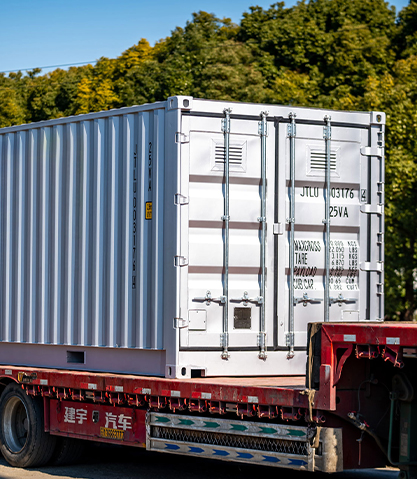
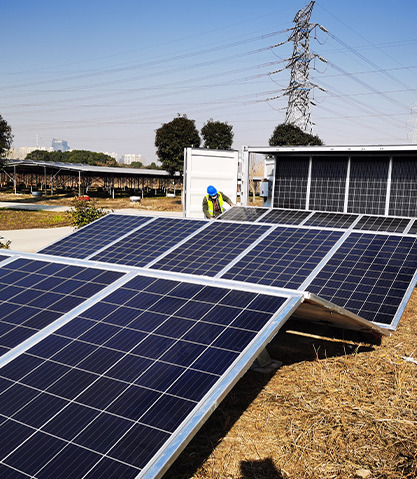
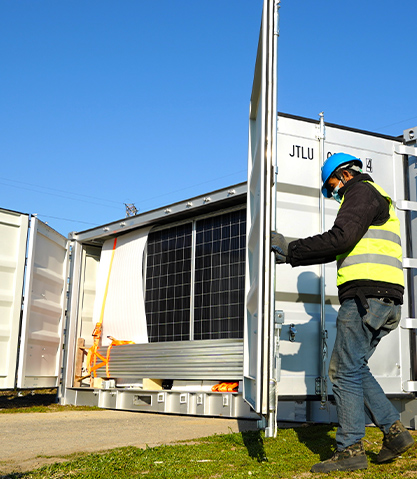
Movable solar power plants are compact, transportable units that provide renewable energy where traditional infrastructure may not be practical. These units are increasingly used for temporary projects, remote areas, and emergency power needs.
- Designed for mobility and quick deployment.
- Can be mounted on trailers, containers, or modular frames.
- Ideal for construction sites, disaster relief operations, and off-grid communities.
- Lower initial investment compared to large-scale solar farms.
- Limited energy output relative to permanent solar farms but highly flexible.
Comparative Analysis: Movable vs. Traditional Solar Installations
Understanding the advantages and limitations of each solar solution helps stakeholders choose the best approach based on location, energy demand, budget, and operational requirements.
| Aspect | Traditional Solar Farm | Movable Solar Power Plant |
| Installation | Permanent, requires civil work | Portable, quick setup on-site |
| Capacity | High, suitable for large-scale power supply | Medium to low, suited for temporary or off-grid needs |
| Flexibility | Low, location fixed | High, can be relocated as needed |
| Cost | High initial investment, lower per-unit energy cost long-term | Lower initial investment, higher cost per kWh |
| Ideal Applications | Utility-scale power supply, urban and rural grids | Emergency relief, remote projects, temporary construction sites |
Operational and Maintenance Considerations
Traditional solar farms require ongoing maintenance including cleaning panels, monitoring output, and replacing components after their lifespan. Movable solar power plants, due to their modular design, are easier to transport, deploy, and maintain on-site, but may require more frequent checks due to environmental exposure and portability constraints.
- Traditional farms: periodic maintenance, optimized for long-term efficiency.
- Movable plants: portable inspections, quick troubleshooting, and adaptable deployment.
- Both require proper inverter management and battery monitoring if energy storage is included.
Conclusion
While traditional solar farms provide high-capacity, long-term power generation, movable solar power plants offer flexibility, rapid deployment, and suitability for temporary or remote applications. Selecting between these two depends on factors such as energy demand, budget, project duration, and location accessibility. Both solutions contribute significantly to renewable energy adoption and can be strategically combined to maximize energy efficiency and reliability.
