

 en
en  English
 中文简体
中文简体 عربى
عربى
Content
The Standard for Scalable Energy Storage
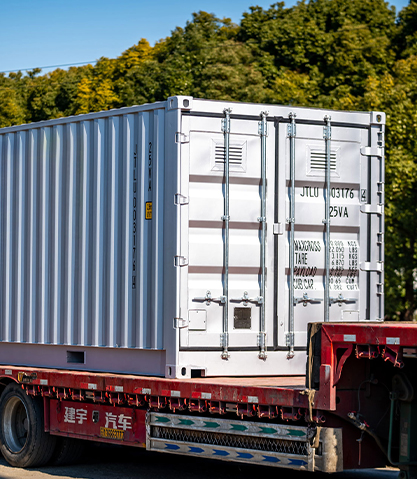
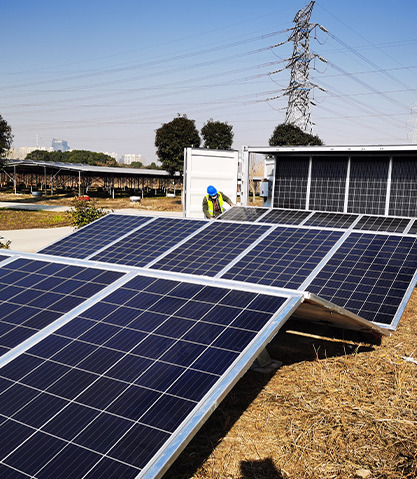
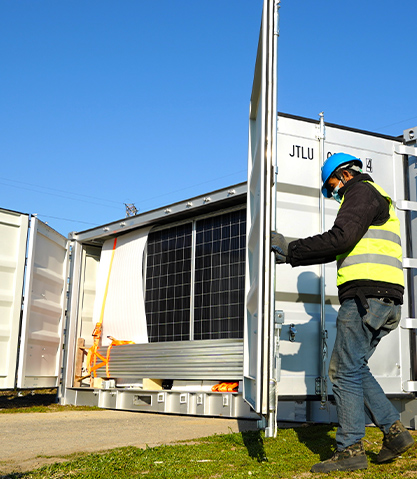
A Solar ESS Container is a pre-engineered, all-in-one energy storage solution that integrates battery modules, power conversion systems, and thermal management into a standard shipping container format. This modular approach has become the industry standard for utility-scale and large commercial solar projects because it drastically reduces on-site construction time and simplifies grid integration.
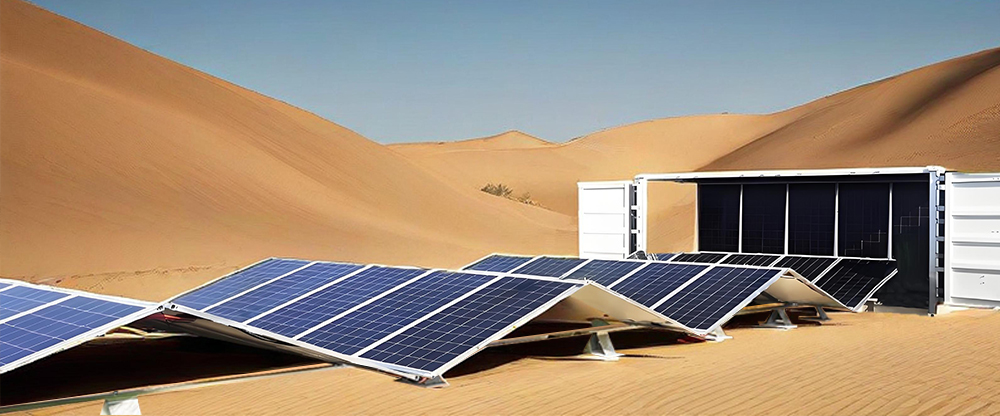
By consolidating critical components into a single, transportable unit, these containers offer a plug-and-play experience. They are designed to withstand harsh environmental conditions while maintaining optimal operating temperatures for lithium-ion batteries. The result is a reliable, high-density storage system that can be deployed rapidly to stabilize renewable energy grids.
Core Components and System Integration
The efficiency of a Solar ESS Container relies on the seamless integration of its internal subsystems. Unlike traditional setups where components are sourced separately, containerized solutions feature factory-tested compatibility between hardware and software.
Battery Modules and BMS
At the heart of the system are lithium iron phosphate (LFP) or nickel manganese cobalt (NMC) battery racks. These are managed by a sophisticated Battery Management System (BMS) that monitors cell voltage, temperature, and state of charge in real-time. The BMS ensures balanced charging and discharging, extending the overall lifespan of the battery pack to over 6,000 cycles.
Power Conversion System (PCS)
The PCS converts DC power from the batteries to AC power for the grid or load. In modern containers, the PCS is often integrated directly into the rack or placed in a dedicated compartment within the container. This proximity reduces cabling losses and improves overall system efficiency to over 95%.
Thermal Management and Fire Suppression
Maintaining optimal temperature is critical for safety and performance. Most containers use liquid cooling systems that are more efficient than air cooling, keeping battery temperature variations within ±3°C. Additionally, integrated fire suppression systems using clean agents or water mist provide multi-level protection against thermal runaway.
| Subsystem | Function | Key Benefit |
|---|---|---|
| Battery Rack | Energy Storage | High Energy Density |
| BMS | Monitoring & Protection | Extended Cycle Life |
| PCS | DC/AC Conversion | Grid Stability |
| HVAC/Fire Suppression | Safety & Climate Control | Operational Safety |
Deployment Advantages and Cost Efficiency
The primary driver for adopting Solar ESS Containers is the significant reduction in both capital expenditure (CapEx) and operational expenditure (OpEx). By shifting complex assembly tasks from the field to the factory, developers can avoid costly on-site labor and delays.
Reduced Installation Time
Traditional energy storage installations can take months to commission. In contrast, a containerized system can be installed and connected in weeks or even days. The container arrives fully wired and tested, requiring only foundation preparation and grid connection.
Scalability and Modularity
Projects can start small and expand easily by adding more containers. This modularity allows for flexible capacity planning, enabling users to scale from 1MWh to 100MWh+ without redesigning the entire system. Each container operates independently yet synchronizes with the others via a central Energy Management System (EMS).
Land Use Optimization
Containerized systems have a high power density, requiring less land per MWh compared to scattered component installations. This is particularly valuable in urban areas or sites with limited space. The standardized footprint also simplifies permitting and zoning approvals.
Safety Standards and Regulatory Compliance
Safety is paramount in energy storage. Solar ESS Containers are designed to meet rigorous international standards, ensuring reliability and risk mitigation. Compliance with these standards is often a prerequisite for insurance and grid connection.
- UL 9540: The standard for energy storage systems and equipment, covering fire propagation and electrical safety.
- IEC 62619: Specifies requirements and tests for secondary lithium cells and batteries used in industrial applications.
- NFPA 855: Provides guidelines for the installation of stationary energy storage systems, focusing on fire protection.
- UN 38.3: Ensures the safe transport of lithium batteries, critical for shipping containers globally.
Manufacturers also implement multiple layers of protection, including cell-level fuses, module-level disconnects, and container-level gas detection. These measures ensure that any potential issue is isolated and addressed before it escalates.
Conclusion: The Future of Grid-Scale Storage
The Solar ESS Container represents a mature, efficient, and safe solution for integrating renewable energy into the grid. By combining advanced battery technology with robust engineering and standardized manufacturing, these systems offer unmatched scalability and speed of deployment.
As global demand for clean energy grows, the role of containerized storage will continue to expand. For project developers, investors, and utility providers, understanding the technical and economic benefits of these systems is key to building a resilient and sustainable energy future.
