

 en
en  English
 中文简体
中文简体 عربى
عربى
Content
The Engineering Problem L-Type Arrays Solve
Portable solar arrays face a built-in contradiction: the larger the panel surface facing the sun, the harder the unit is to store and move. Flat-folding designs compromise one side of that trade-off or the other — either they fold down small but lose usable panel area, or they keep full panel area and end up bulky in transit.
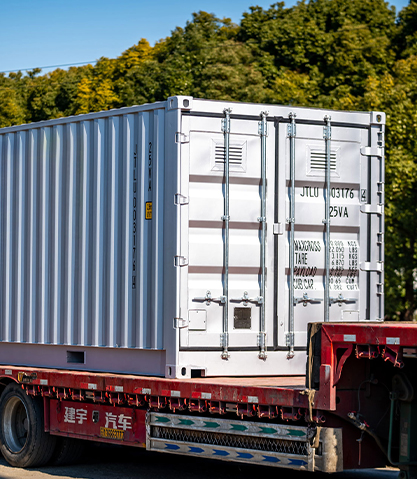
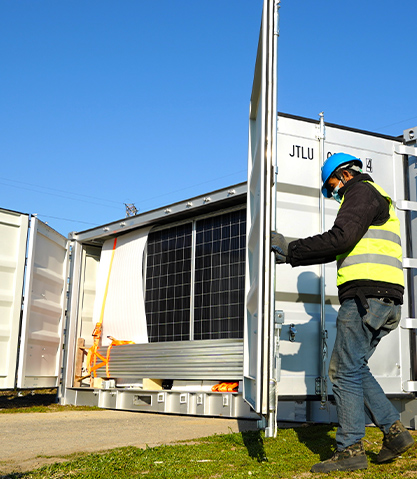
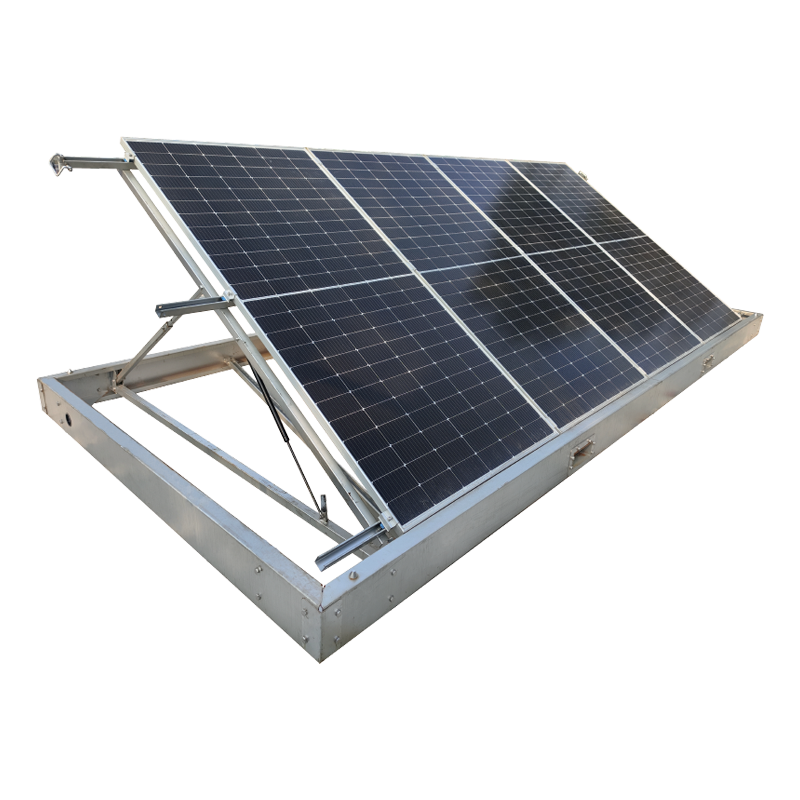
The Power LSA-L-Type Solar Array is built around solving that specific problem. Rather than folding panels flat against each other, it unfolds into an L-shaped profile that opens the array to a wider angle of sun exposure while still collapsing back into a compact, flat state for storage and shipping.
How the L-Shaped Unfolding Design Works
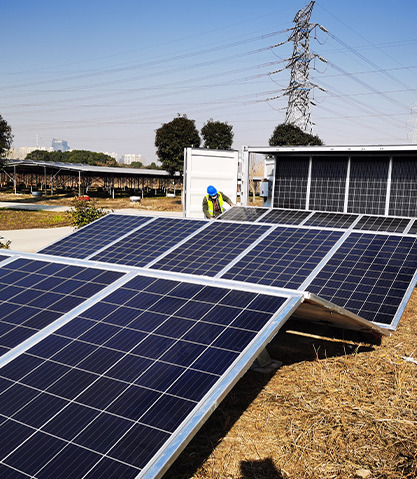
When deployed, the array's panels open along an L-shaped geometry supported by a precision bracket mounted on the back of the frame. This angled configuration increases the effective surface area facing the sun compared to a flat-mounted array of the same footprint, which directly improves energy conversion efficiency during operation.
When the array isn't needed, the same bracket mechanism folds the structure back to a flat state. This isn't a minor convenience — it determines how many units fit into a shipping container, which matters directly for freight cost on remote deployments. You can review the full technical specifications for the 3KW Power LSA-L-Type Solar Array for the complete dimensional breakdown.
FAB vs FIX: Choosing the Right Array Base
The 3KW version of this array comes in two base configurations, and the difference matters depending on how often a site needs to redeploy the equipment.
| Specification | LSA-3K-FAB | LSA-3K-FIX |
|---|---|---|
| Total Weight | 370 KGS | 350 KGS |
| Array Base Type | Adjustable (FAB) | Fixed (FIX) |
| Solar Array Capacity | 2.52 kWp (2–3) | 2.52 kWp (2–3) |
| Complete Unfolding Time | 45+15 mins | 15 mins |
| Qty. per 20GP Container | 25 pcs | 12 pcs |
| Qty. per 40HQ Container | 60 pcs | 28 pcs |
The FAB base includes an adjustable mounting mechanism, which explains its longer unfolding time but allows fine-tuning of panel angle after deployment. The FIX base skips that adjustment step, cutting unfolding time to a third of the FAB version — a meaningful difference for teams deploying multiple units on a tight schedule.
Deployment Numbers That Matter for Field Teams
For procurement and field teams, the numbers that actually affect a project timeline are weight, footprint, and labor requirement — not just power output. A single 3KW LSA unit weighs 350–370 kg, occupies 12.7 m² (5.5m × 2.3m) when unfolded, and requires only 2 installation personnel to deploy.
Folding time is consistently faster than unfolding across both configurations — 10 minutes to collapse either version back down, versus 15 to 60 minutes to deploy depending on base type. That asymmetry matters for teams that need to relocate equipment quickly ahead of weather events or shifting operational needs, which is a common requirement across solar power kits designed for rapid field deployment.
Where This Array Type Gets Used
The combination of high unfolded output per footprint and low storage volume makes this array format suited to environments where transport logistics are the real constraint, not power demand. Field deployments to date span:
- Mine lots requiring temporary or relocatable power without grid access
- Desert and wilderness sites where equipment must ship compactly over long distances
- Grassland and island locations with limited road or port infrastructure for oversized cargo
Across these use cases, the array typically operates as a standalone power source or as part of a larger system. For projects requiring power beyond the 3kW single-unit range, it's worth reviewing how solar power containers integrate similar rapid-deployment principles at larger scale, since the same logic — maximize output, minimize transport footprint — carries through to containerized systems as project scale increases.
