

 en
en  English
 中文简体
中文简体 عربى
عربى
Content
Introduction to Mobile Solar Power Containers
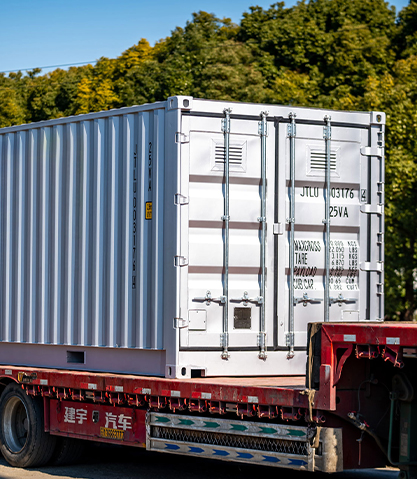
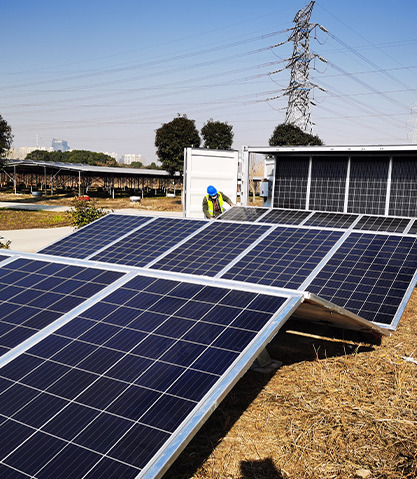
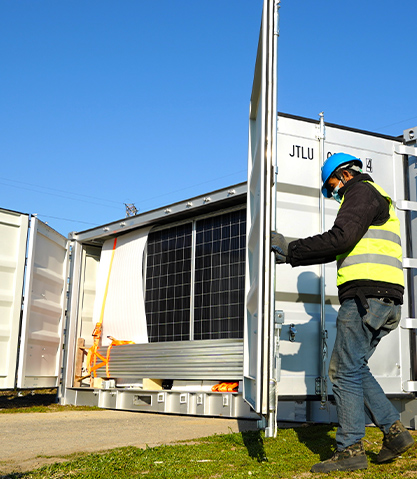
A Mobile Solar Power Container is a self-contained, transportable energy system designed to generate electricity using solar panels. It combines solar modules, energy storage, inverters, and other power management equipment inside a standard shipping container or custom modular unit. This portable design allows the container to be deployed quickly to locations without grid access, providing reliable and sustainable energy wherever needed.
The concept integrates renewable energy with mobility, making it suitable for temporary installations, emergency response, industrial sites, and remote areas. These containers are engineered to withstand transportation, environmental conditions, and long-term outdoor deployment while maintaining energy efficiency and safety standards.
Key Components of a Mobile Solar Power Container
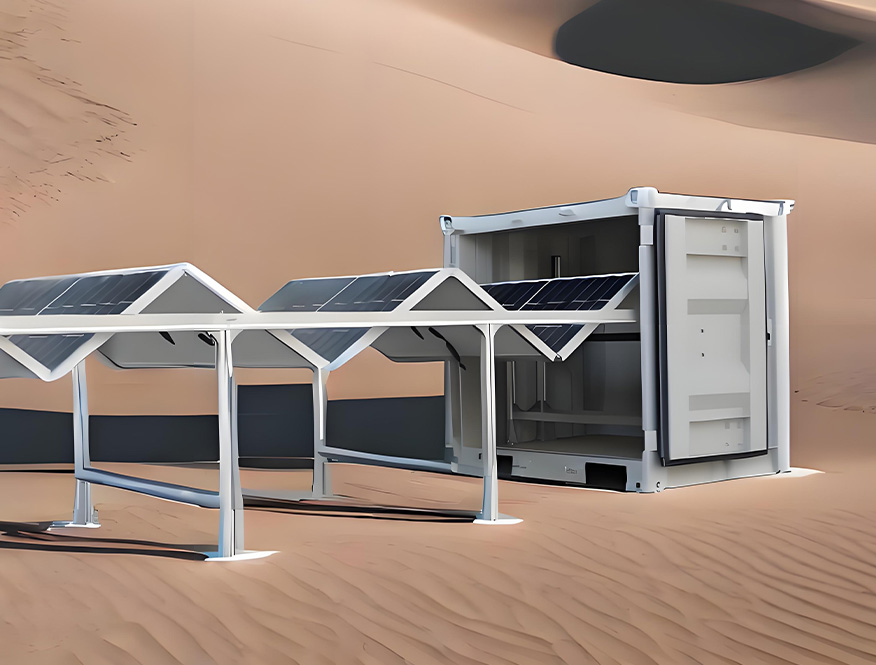
Understanding the main components of a Mobile Solar Power Container is essential to grasp how it functions. Each part works together to convert sunlight into usable electricity, store it, and deliver it safely to connected loads.
- Solar Panels: Photovoltaic modules mounted on the container roof or exterior frame that capture sunlight and generate DC electricity.
- Inverter System: Converts the DC power produced by the solar panels into AC power suitable for general electrical appliances and equipment.
- Battery Storage: High-capacity batteries store excess energy for use during periods without sunlight, ensuring continuous power supply.
- Energy Management System (EMS): Monitors power generation, storage, and consumption to optimize efficiency and prevent overloads.
- Cooling and Ventilation: Maintains stable operating temperatures for batteries and inverters to extend their lifespan and ensure safety.
How a Mobile Solar Power Container Works
The operation of a Mobile Solar Power Container involves a simple but coordinated energy flow. Sunlight is captured by the solar panels and converted into DC electricity. This electricity is then directed to the inverter, which transforms it into AC electricity for immediate use or distribution. Excess energy is stored in onboard batteries to provide a backup supply during nighttime or cloudy conditions.
The integrated energy management system ensures that the container operates efficiently by balancing energy production, storage, and consumption. Remote monitoring capabilities allow operators to track performance, detect faults, and schedule maintenance without being on-site.
Applications of Mobile Solar Power Containers
Mobile Solar Power Containers are highly versatile and can be applied in various scenarios where temporary or off-grid electricity is required. Their portability and turnkey design make them ideal for both commercial and emergency uses.
- Construction Sites: Provide on-site electricity for tools, lighting, and temporary offices without relying on diesel generators.
- Disaster Relief: Supply immediate power to hospitals, shelters, and communication equipment in areas affected by natural disasters.
- Remote Communities: Deliver sustainable energy to rural villages or industrial operations far from the grid.
- Events and Outdoor Activities: Power festivals, exhibitions, and temporary installations where conventional power sources are unavailable.
- Military and Defense: Support remote operations with reliable and mobile renewable energy solutions.
Advantages Over Traditional Power Systems
Compared to conventional diesel generators or stationary solar plants, Mobile Solar Power Containers offer several practical advantages that make them attractive for short-term or flexible energy needs.
- Portability: Easily transported using trucks, ships, or cranes to different locations.
- Clean Energy: Generates electricity without greenhouse gas emissions or noise pollution.
- Quick Deployment: Fully integrated systems allow rapid installation and commissioning.
- Reduced Operational Costs: Minimal fuel costs and low maintenance requirements compared to diesel generators.
- Scalability: Multiple containers can be combined to meet higher energy demands.
Technical Considerations for Deployment
When planning to use a Mobile Solar Power Container, several technical factors must be considered to ensure optimal performance. These include solar irradiance at the deployment site, container orientation, energy storage capacity, and the types of loads to be supported. Proper site preparation and safety measures are also critical to maintain system longevity and operator safety.
Understanding these factors allows users to design a system that meets both immediate energy needs and long-term operational efficiency, making Mobile Solar Power Containers a reliable solution for diverse energy challenges.
