

 en
en  English
 中文简体
中文简体 عربى
عربى
Content
Introduction to Prefabricated Photovoltaic Cabins
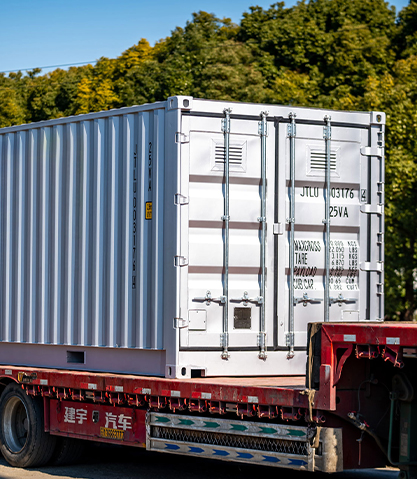
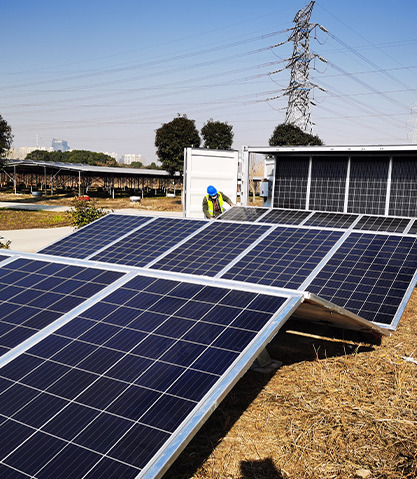
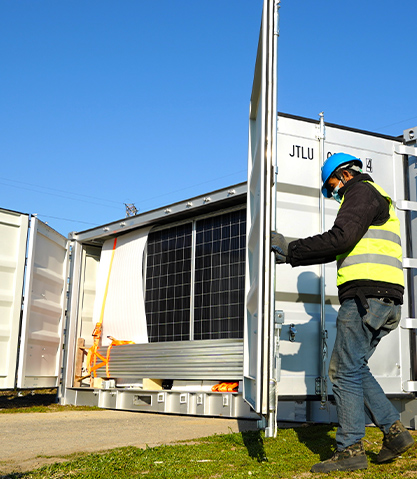
Prefabricated photovoltaic cabins are modular structures specifically designed for housing solar power equipment in industrial and utility-scale solar projects. Unlike traditional on-site constructions, these cabins are manufactured in a factory environment and delivered as complete units ready for installation. They integrate photovoltaic panels, inverters, energy storage units, and control systems into a single modular solution, allowing solar projects to be deployed more efficiently and reliably.
Why Prefabricated Cabins Are Ideal for Industrial Solar Projects
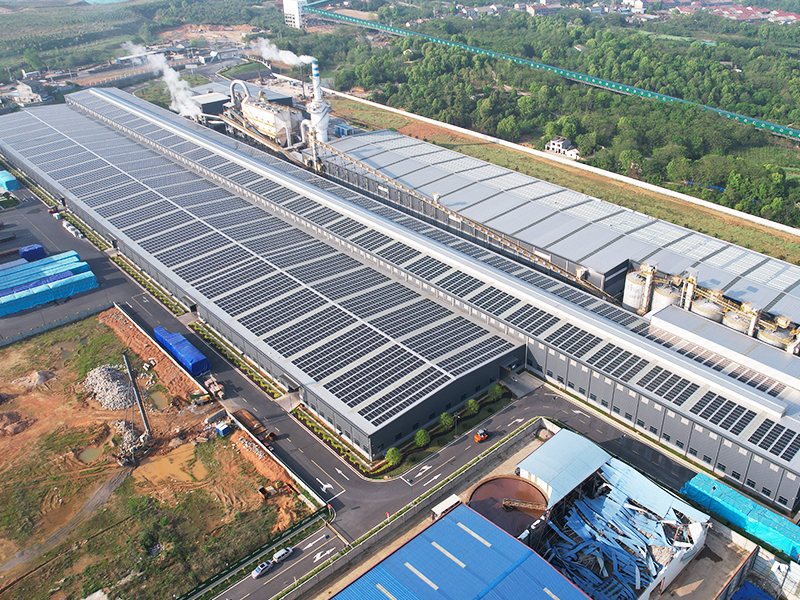
Industrial solar projects often involve large arrays of photovoltaic panels, high-capacity inverters, and complex electrical distribution systems. Prefabricated cabins provide a controlled environment for sensitive equipment, protecting it from weather, dust, and temperature fluctuations. This is particularly important in utility-scale solar farms, where even minor equipment failures can lead to significant downtime and energy losses.
Rapid Deployment and Reduced Construction Time
Because the cabins are built off-site, the installation process at the project location is significantly faster than traditional construction. Prefabricated cabins arrive ready for connection to solar arrays and electrical systems, which minimizes labor costs and shortens the overall project timeline. This rapid deployment is a major advantage for industrial-scale projects that must meet tight deadlines and production targets.
Enhanced Equipment Protection
Industrial photovoltaic equipment is sensitive to environmental factors such as dust, rain, wind, and temperature extremes. Prefabricated cabins are designed with reinforced structures, weatherproof coatings, and ventilation systems to maintain stable internal conditions. This ensures reliable operation of inverters, energy storage systems, and monitoring equipment, which reduces maintenance requirements and extends equipment life.
Integrated Electrical and Monitoring Systems
Prefabricated photovoltaic cabins are not just protective enclosures; they also house integrated electrical and control systems. This includes inverters, circuit breakers, sensors, and remote monitoring devices. Centralizing equipment in a single modular unit improves operational efficiency, simplifies wiring, and allows operators to monitor and control solar arrays in real-time, enhancing overall energy management.
Scalability and Modularity for Utility-Scale Applications
One of the greatest advantages of prefabricated photovoltaic cabins is their modularity. Industrial solar farms can start with a few cabins and expand capacity incrementally by adding more units as demand grows. This modular approach allows developers to scale operations without significant redesign or on-site construction, making it cost-effective and flexible for long-term projects.
Customizable Designs
Prefabricated cabins can be customized to meet specific project requirements, including load capacity, internal layout, ventilation, and cable routing. Industrial projects often have unique configurations, and prefabricated designs can accommodate these needs while maintaining standardized manufacturing quality. This balance of customization and standardization ensures both efficiency and reliability.
Maintenance and Operational Efficiency
Cabins designed for industrial photovoltaic applications provide easy access to inverters, batteries, and control systems. This facilitates routine maintenance, rapid troubleshooting, and component replacement, which minimizes downtime and keeps large-scale solar operations running smoothly. Prefabricated solutions also reduce the risk of errors during installation compared to traditional on-site built control rooms.
Applications in Utility-Scale Solar Projects
Prefabricated photovoltaic cabins are widely used in utility-scale solar farms to house central inverters, energy storage systems, and monitoring units. They are particularly effective in remote locations, where building conventional structures is challenging due to logistics or environmental constraints. By centralizing electrical and control systems, these cabins improve operational reliability, enable easier expansion, and optimize energy output for large solar installations.
Conclusion
For industrial and utility-scale solar projects, prefabricated photovoltaic cabins offer unmatched advantages in deployment speed, equipment protection, operational efficiency, and scalability. Their modular and customizable design makes them an ideal choice for large-scale installations where reliability, maintenance efficiency, and long-term performance are critical. By integrating all necessary photovoltaic and control equipment into a single, factory-built unit, these cabins represent a modern, practical solution for the growing demand for renewable energy.
