

 en
en  English
 中文简体
中文简体 عربى
عربى
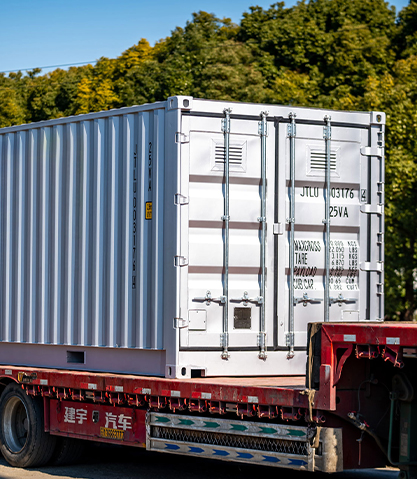
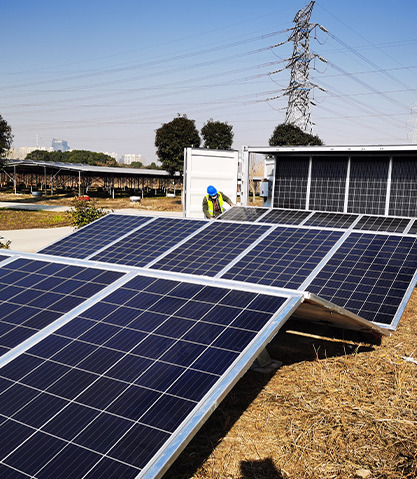
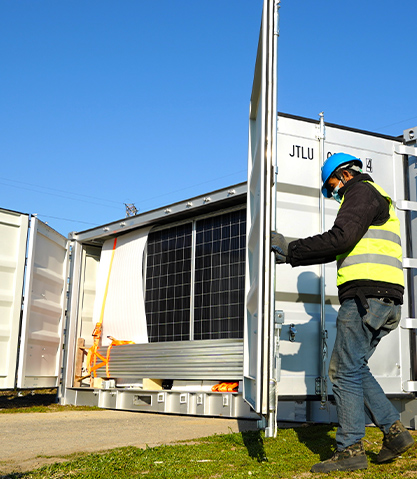
A 20-foot shipping container is a rugged shell, but its corrugated steel walls are only about 1.6 mm thick and offer almost no thermal resistance. On a sunny afternoon, the interior can pass 50°C quickly; on a clear winter night, it drops close to outdoor temperature. To make a container usable as an office, living space or equipment shelter, you have to insulate it properly. The direct approach is to install insulation on the inside, add a vapor barrier on the warm side, and reduce thermal bridging through the steel frame.
Core conclusion: Closed-cell spray foam or rigid polyurethane panels are the most reliable choices for container insulation because they deliver high R-value per inch, air sealing and moisture control. Use furring strips or a thermal break so the metal ribs do not bypass that insulation. For recent examples of comfortable, solar-powered container living spaces, see how solar-powered shipping containers are being installed and used.
Content
Why Insulating a Container Is About More Than Temperature
Three problems show up in almost every unfinished container conversion. Address them before finishing the interior:
Condensation
Warm indoor air carries moisture. When it reaches a cold steel wall, water condenses behind the insulation. That turns the hidden cavity into a rust zone and cuts thermal performance.
Thermal bridging
Steel conducts heat extremely well. The corrugated ribs and internal frame can carry heat through walls even when insulation is present. A continuous thermal break is necessary.
Air leakage
Gaps around door seals, panel joints and floor edges allow outdoor air to bypass the insulation. A sealed air barrier improves comfort more than simply adding extra R-value.
The practical result is that insulation thickness alone does not decide how effective the container will be. Thermal bridges at the corrugation ribs, door seals and floor frame have to be treated. A continuous interior air barrier is as important as the R-value.
If you would rather start with an insulated enclosure built in a factory, Senta’s solar living container combines interior insulation, wiring and off-grid power in a single integrated shell.
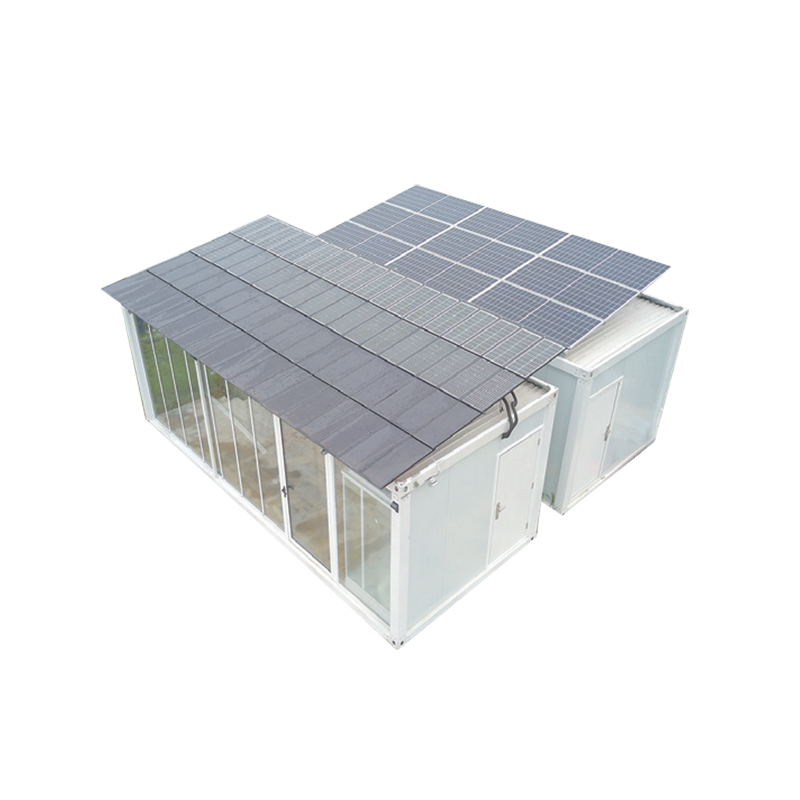 Integrated Solar-Powered Off-Grid Living ContainerThis factory-built container combines interior insulation, wiring, and off-grid power in one shell, making it a practical base for a retrofitted living space without additional insulation work.View Product →
Material Comparison: What Works Where
No insulation is perfect. The best selection depends on the operating environment, budget, and whether you can sacrifice interior width. The table below compares the main options used in container retrofits.
For most permanent container projects, closed-cell spray foam or rigid polyurethane panels are the safest starting point. Mineral wool is worth considering near stoves, generator rooms or areas where fire codes require a non-combustible insulation layer.
Hidden Metrics: Cost per Square Foot vs. Long-Term Performance
R-value is not the only number that matters. Installed cost per square foot, labor, vapor control and the ability to air-seal the shell all determine whether an insulated container will perform as expected.
The chart shows relative installed costs per square foot, not delivered performance. Closed-cell spray foam costs more upfront, but it simultaneously supplies insulation, air sealing and vapor control. For a 40-foot container, that often avoids the need for a separate vapor barrier and reduces the risk of hidden condensation damage in the steel structure.
Industry Application Distribution
Insulated shipping containers are no longer limited to backyard cabins. The application mix has shifted toward mobile field support, cold-chain and emergency response.
Each application has a different insulation target. A disaster-response unit needs fast installation, low weight and enough insulation to keep medical and communication equipment in operating range. A cold-chain unit needs a thicker envelope and continuous vapor control.
For temperature-sensitive storage or transport, Senta’s solar cooling container combines an insulated container structure with an integrated cooling and solar power system, making cold-chain deployment practical in off-grid locations.
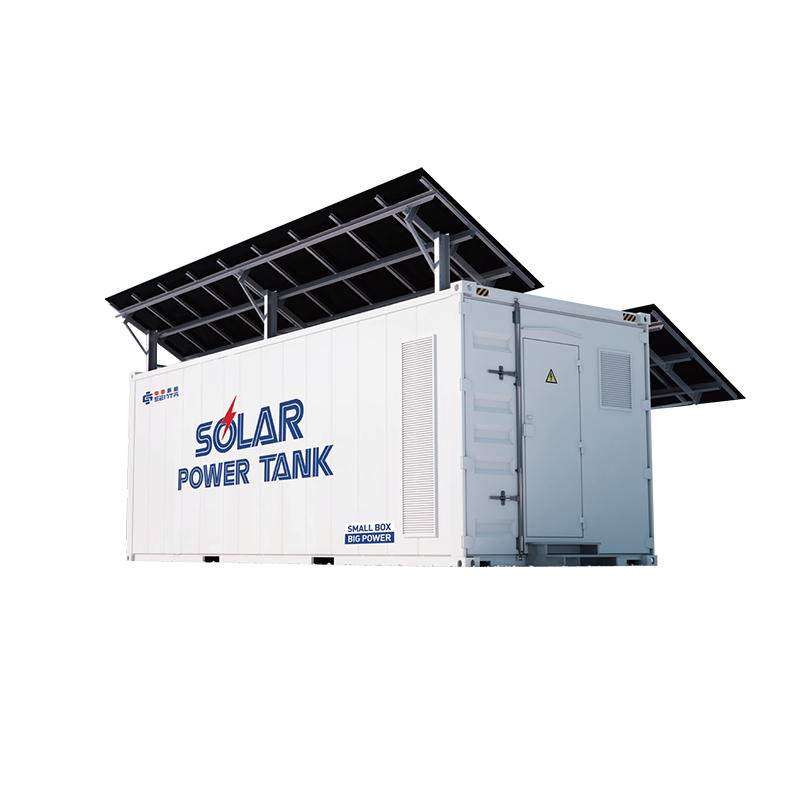 Solar-Powered Cold Storage Container for Off-Grid UseAn insulated container with integrated solar cooling and power systems enables cold-chain storage in remote locations, addressing energy-hungry traditional cold storage with renewable supply.View Product →
Selection Workflow and ROI
The fastest way to waste money is to buy insulation based on R-value alone. Use this step-by-step workflow instead:
1. Define the operating envelope
Identify the expected outdoor temperature range, indoor humidity target and whether the container will be occupied continuously or only for equipment.
2. Choose the insulation position
Interior insulation is easier and cheaper. Exterior insulation keeps more interior width but requires weather protection over the foam. Most retrofits use interior insulation.
3. Frame with a thermal break
Use 2x4 furring strips, hat channels or a wood sub-floor to separate the interior finish from the steel shell. This reduces thermal bridging.
4. Control moisture and airflow
Install a vapor barrier on the warm side of the insulation, seal all joints and cable penetrations, and vent the container so humidity does not accumulate.
5. Plan power together with insulation
Heating, cooling and ventilation loads decide how much solar and battery capacity you need. Insulating first reduces the power system cost.
A well-insulated container pays back by shrinking HVAC loads and preventing condensation-related repairs. If the site has no grid, combine the insulated container with a solar array and battery storage instead of relying on a generator. If the goal is a fully off-grid site, read the self-provided power supply overview to see how containerized energy systems scale.
For a turnkey power source, Senta’s battery ESS container can sit beside a converted container and support air conditioning, lighting and ventilation for several days without grid supply.
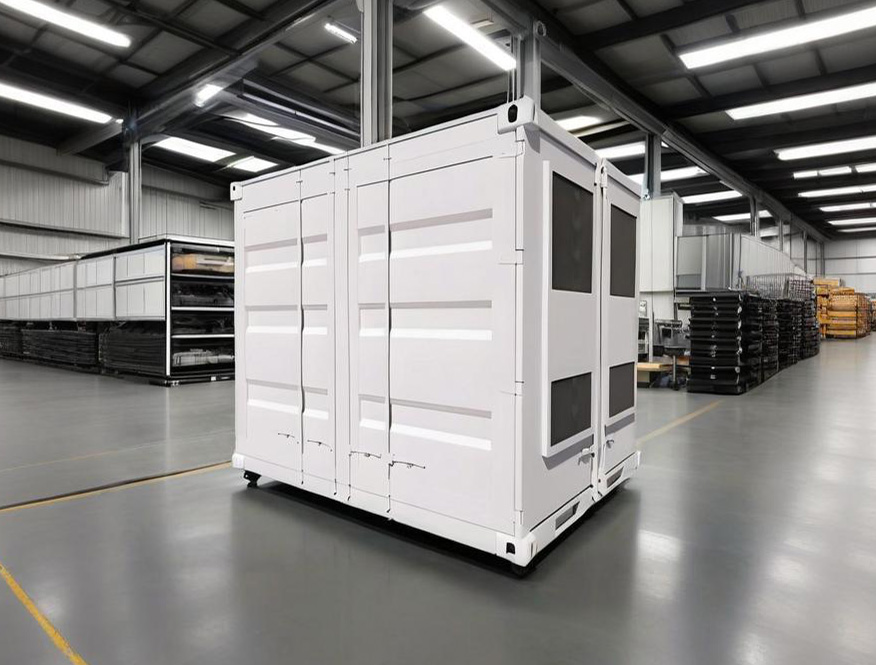 Battery Energy Storage Container for Backup PowerThis industrial storage container supports extended off-grid operation for air conditioning, lighting, and ventilation, with multiple models offering capacities suited to peak shaving and emergency supply.View Product →
Maintenance and Compliance Advice
Insulation is only as good as the maintenance plan around it. A poorly sealed container can hide leaks for years, leading to rust and unhealthy indoor air. Use the following list during design and operation:
- Inspect the steel shell for rust before covering it. Repainting and sealing the exterior is easier before insulation is installed.
- Check door seals and gaskets every season; they are the most common air leakage point on a shipping container.
- Keep ventilation paths clear so moisture generated by cooking, drying or heating equipment can exit the envelope.
- If you use foam insulation, confirm the flame spread and smoke developed ratings with the local building official. Cover exposed foam with drywall or an approved thermal barrier.
- Install a dehumidifier in high-humidity climates, especially before the interior is fully finished.
- For inhabited spaces, comply with egress window, electrical wiring and fire safety requirements in your local building code.
Done well, container insulation transforms a steel box into a stable, low-energy living or working space. The extra time spent on air sealing, vapor control and thermal breaks will have a larger impact than simply adding more insulation thickness. Pair that thermal envelope with solar and battery storage, and the container becomes independent from both the grid and fuel supply.
