

 en
 English
 中文简体
 عربى

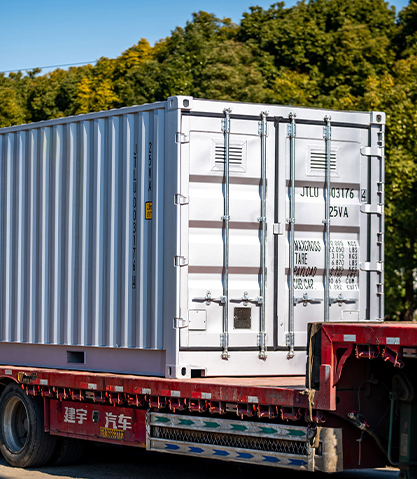
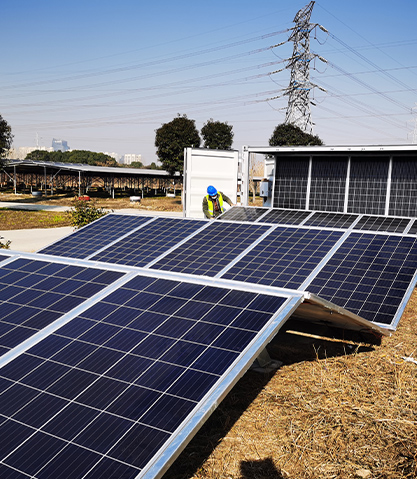
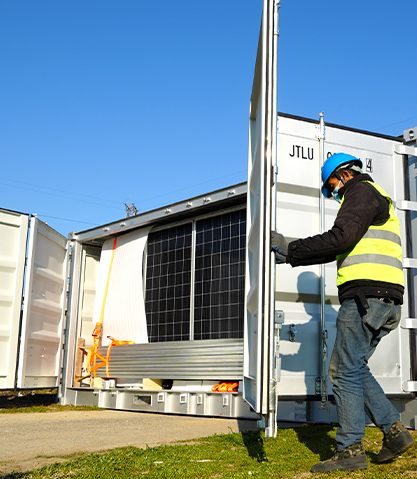
A south-facing concrete slab can cut heating demand by 20–30% before a single panel is installed. A 10 kW photovoltaic array with batteries can carry a remote site through the night. Both are solar, but they solve different problems. One shapes the building; the other adds equipment.
The short answer: start with passive load reduction, then size active generation and storage against the remaining load. Passive solar is cheap per unit of avoided demand but difficult to retrofit. Active solar is modular and controllable but adds capital, maintenance, and electronics risk. The right mix depends on climate, load shape, site tenure, and who will service the system.
That distinction matters most when a project is being planned, not after equipment is ordered. Passive vs active solar is not a binary choice between “good” and “technical.” It is a sequencing decision: reduce the load that equipment must carry, then buy only the equipment the load still justifies.
Content
- 1 How passive and active solar actually work
- 2 Comparison matrix: cost, control, and risk
- 3 Where the numbers separate
- 4 Application mix: who chooses what
- 5 Active system selection: match hardware to load, not to a catalog
- 6 ROI and procurement path
- 7 Maintenance, compliance, and handover
- 8 The practical rule for most projects
How passive and active solar actually work
The labels describe how the sun’s energy is captured and moved, not how “advanced” the system is. Passive systems use the building envelope and natural processes. Active systems use mechanical or electrical components to collect, convert, store, or distribute solar energy.
Passive solar
Orientation, window area, thermal mass, insulation, shading, and ventilation determine how much heat is captured, stored, and released. In its simplest form, there is no separate collector loop, pump, or controller. The building itself is the solar device.
Active solar
PV modules with inverters and batteries, solar thermal collectors with pumps and heat exchangers, and controls that manage temperature, voltage, and state of charge are active systems. They can be dispatched, monitored, and scaled, but they depend on power electronics and service access.
Hybrid projects
A passive slab and roof overhang can reduce heating and cooling loads, while an active PV and battery system covers lights, pumps, controls, and plug loads. The passive measures lower the active system size, which usually lowers capital cost and battery stress.
The common mistake is treating passive design as a decorative extra and active equipment as the real system. In new construction, passive measures are often the cheapest capacity available. In retrofits, they can be disruptive and expensive, so active solar may carry more of the load.
Comparison matrix: cost, control, and risk
Use this matrix for early screening, not for final engineering. A passive home in a cold climate and a solar container in a desert site have different constraints, but the decision factors are similar.
Where the numbers separate
Use planning ranges, not vendor promises. The chart below shows typical first-year contribution as a share of the relevant load for common measures. It is a screening tool, not a design calculation. A PV array can meet a high share of annual electricity and still fail a winter week without storage or backup.
The deeper metric is not annual share but load-match ratio: how much of the critical load is served at the worst hour. Passive measures improve load-match by shrinking and shifting demand. Active systems improve it by adding generation and stored energy, but only if the battery is sized on usable kWh and the inverter can handle surge loads.
Application mix: who chooses what
In remote and off-grid work, active systems dominate because loads are electrical and must be controlled. Passive measures still shape the building or container envelope, especially where heat, humidity, and dust affect equipment life. The illustrative mix below follows Senta’s project categories.
Active system selection: match hardware to load, not to a catalog
Once passive measures have trimmed the load, size the active system around three numbers: peak kW, daily kWh, and hours of autonomy. A remote clinic with vaccine refrigeration has a different load profile from a construction camp with welders and floodlights. Senta’s self-provided power supply category shows the same pattern: the source matters, but the load and the operating environment decide the architecture.
- PV array and inverter: continuous versus surge load, single-phase versus three-phase, grid-tied versus hybrid, and grid-code settings.
- Storage: usable kWh, depth of discharge, charge and discharge rate, thermal management, and cycle life at the expected temperature.
- Deployment: fixed, wheeled, foldable, or floating; transport width, lifting points, wind loading, earthing, and commissioning access.
For a site that must move every few months, a fixed array is a poor fit. A foldable solar power container can cut setup time and reduce loose components, but it still needs transport planning, earthing, and wind-loading checks.
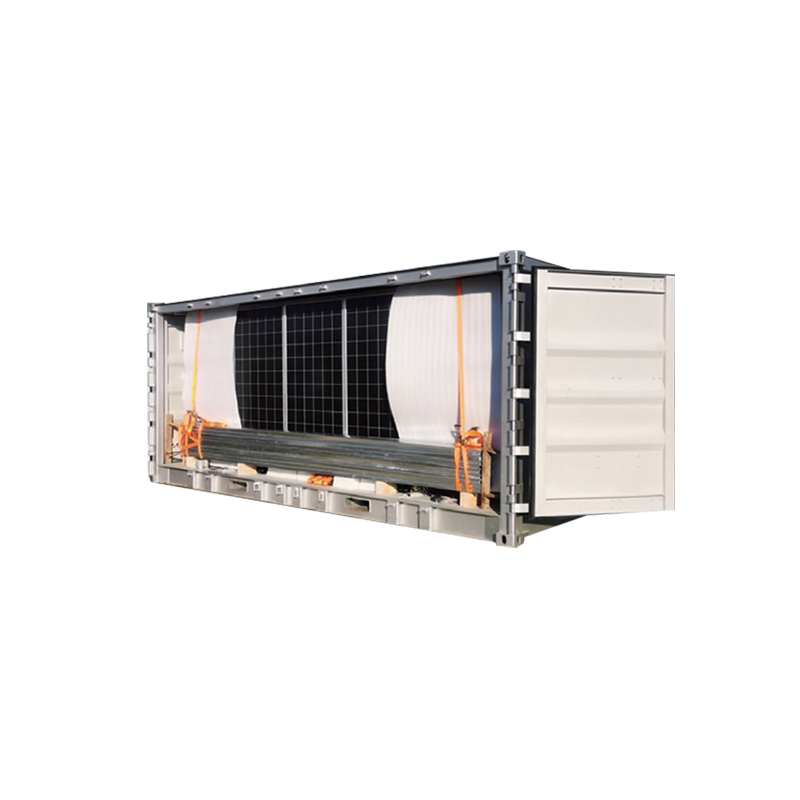 Foldable Solar Power Container for Rapid DeploymentA transportable solar and storage container that unfolds for quick setup, suited to remote sites needing movable, independent power.View Product →
For night load or weak-grid support, battery capacity must be sized on usable kWh and cycle life, not nameplate amp-hours. A containerized battery ESS also changes the procurement scope: thermal management, fire detection, ventilation, and service access become part of the delivered system.
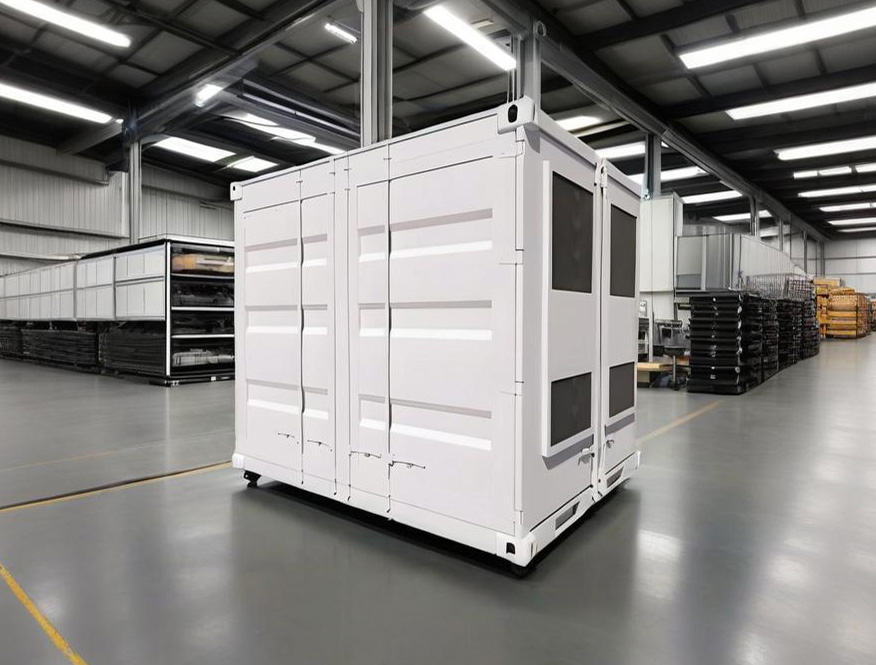 Containerized Battery ESS Series for Commercial and Industrial StorageIntegrated container battery storage with thermal management, fire protection and scalable models for peak shaving, backup and weak-grid support.View Product →
For three-phase pumps, motors, or shore power, check inverter surge rating, protection coordination, and grid-code settings before comparing price. The trade-off between movable solar plants versus fixed installations is mainly a tenure and logistics question, not a question of which technology is inherently better.
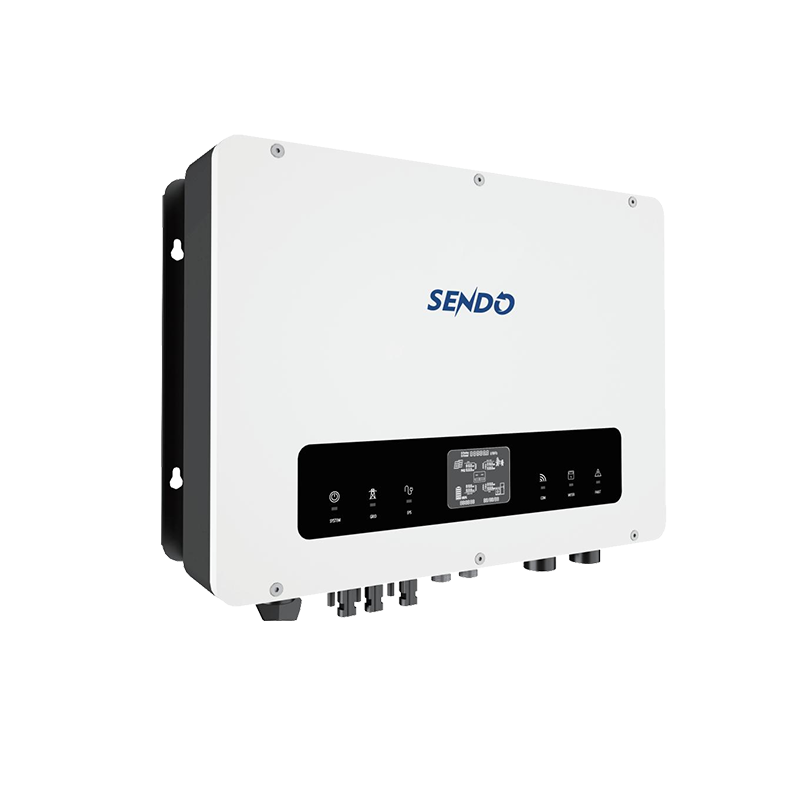 EPH 4-12KTL Three Phase Hybrid InverterA three-phase hybrid inverter range for residential and commercial systems, with LFP battery integration, MPPT tracking and remote BMS monitoring.View Product →
ROI and procurement path
ROI is not one number. Passive measures reduce the denominator; active equipment adds capital and service costs. Use a five-step path so the comparison stays honest.
Load audit. Use 12 months of bills or logged load. Record peak demand, motor starting surge, critical circuits, and seasonal swings. Do not size from a monthly average alone.
Passive first. Check orientation, shading, insulation, glazing, thermal mass, and ventilation. Model overheating risk, not just heating savings. Passive cooling can fail if night ventilation is blocked or humidity is ignored.
Active sizing. Match PV yield, inverter ratio, storage autonomy, and backup generator interaction. A smaller array with correct storage often beats a larger array with undersized controls.
Commercial check. Compare landed cost, duties, freight, commissioning, spares, warranty terms, and local service response. A low ex-works price can lose its advantage when installation and downtime are included.
Commission and hand over. Require as-built drawings, test records, protection settings, monitoring access, an O&M plan, and operator training. The handover package is part of the system.
Maintenance, compliance, and handover
Passive systems are not maintenance-free. Water intrusion, changed shading, and occupant behavior can erase predicted savings. Active systems add electrical and thermal risks that need a documented routine.
- Passive: inspect seals, drains, shading devices, and ventilation paths; check for condensation and thermal-bridge staining; verify that thermal mass is not covered by finishes that block heat exchange.
- Active: clean modules on a site-specific schedule, check inverter derating and fan operation, verify battery thermal management, torque terminations, firmware, arc-fault detection, rapid shutdown, and grid protection settings.
- Containerized systems: confirm transport lashing, lifting points, earthing, lightning protection, ventilation, battery fire detection, and access clearance before energization.
- Compliance: secure local electrical permits, interconnection approval, fire clearance, structural sign-off for roof or ground mounts, and hazardous-energy labels. Keep test records with the as-built package.
The procurement question to ask is not “passive or active?” but “which load should never depend on the equipment?” Keep critical safety, communications, and refrigeration circuits on a defined backup path, and let passive measures reduce the size of that path.
The practical rule for most projects
Design the building or enclosure to need less, then buy active solar for the load that remains. If the site is permanent, passive measures usually earn their place in new construction. If the site is temporary or the building cannot change, active solar with correctly sized storage is often the only realistic path.
The final check is simple: compare the cost per kWh of avoided load with the cost per kWh of delivered energy, including service and replacement. That comparison keeps passive vs active solar grounded in the project, not in a product category.
