

 en
 English
 中文简体
 عربى

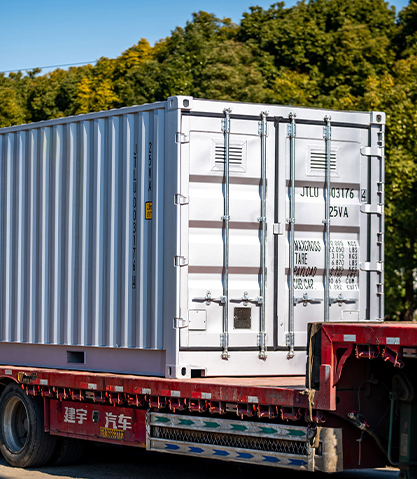
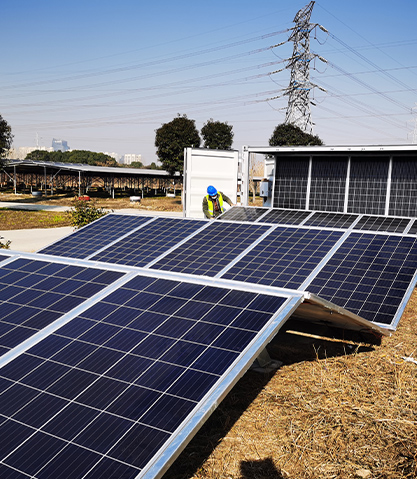
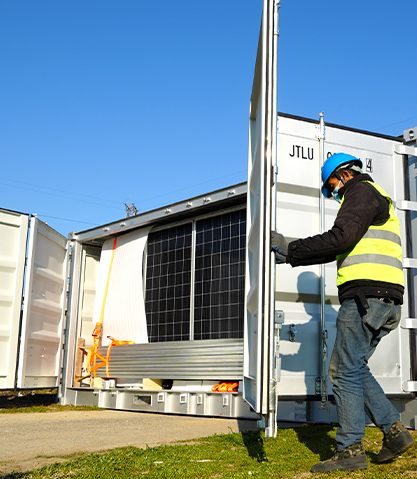
A 3 kW off-grid solar kit is quoted for a remote workshop. The load list includes a bench drill, a laptop charger, an LED floodlight and a small compressor. A modified sine wave inverter may run the light and drill, but the charger can buzz, the compressor can overheat, and the laptop power supply may fail early. The purchase decision is not about brand preference; it is about matching the inverter output to the loads that will actually be connected.
Short answer: choose a pure sine wave inverter for solar hybrid systems, sensitive electronics, motors, medical or audio equipment, and mixed loads. Use a modified sine wave inverter only when the load is simple, resistive, non-critical, and the lower purchase price matters more than efficiency, compatibility and service risk.
That conclusion is easy to state and easy to misapply. A modified unit can be the right choice for a resistive heater or a basic lighting circuit in a temporary site. It is usually the wrong choice for a solar system that will run whatever someone plugs in tomorrow.
Content
- 1 What the waveform difference actually means
- 2 Pure vs modified sine wave inverter: practical comparison
- 3 The hidden cost is not the sticker price
- 4 Where each type fits in solar and off-grid projects
- 5 Selection guide: match the inverter to the load, not the catalogue
- 6 Maintenance, compliance and procurement checks
What the waveform difference actually means
A pure sine wave inverter produces an output close to the smooth alternating current from a utility supply. Total harmonic distortion is usually low, often below 3 percent on quality models, and the voltage waveform keeps power supplies, variable-speed motors and audio equipment within their design assumptions.
A modified sine wave inverter uses a stepped, square-like waveform to approximate a sine wave. It is cheaper to build because the output stage is simpler, but the high harmonic content is real electrical stress. Motors run hotter, transformers buzz, chargers may reject the supply, and some electronics reset or fail. In containerised solar systems, the inverter is only one part; the load profile decides whether a standard hybrid inverter and a solar power container can serve the site reliably.
Pure sine wave
Smooth output, low harmonic distortion, stable for electronics, and cooler motor operation. It is the default for grid-tied, hybrid and backup systems with mixed loads.
Modified sine wave
Stepped output, lower purchase cost, and high harmonic content. It can work with simple resistive loads but often needs derating for motors and transformers.
Solar system reality
Hybrid and grid-interactive inverters are normally pure sine wave because grid codes, backup loads and modern appliances assume a clean waveform.
 EPL3000-10KTL Single-Phase Hybrid Inverter SeriesSingle-phase hybrid inverter series for residential and small commercial storage, with battery input, backup power, monitoring options and multiple safety protections; check exact model ratings.View Product →
Pure vs modified sine wave inverter: practical comparison
Table note: values are typical ranges for planning. Always verify the datasheet, test condition and derating curve for the exact model.
The table explains why a modified inverter can look attractive in a quotation and still be expensive in service. A low-cost unit may save a small amount at purchase, then lose that saving through repeated site visits, replaced power supplies or an undersized generator backup.
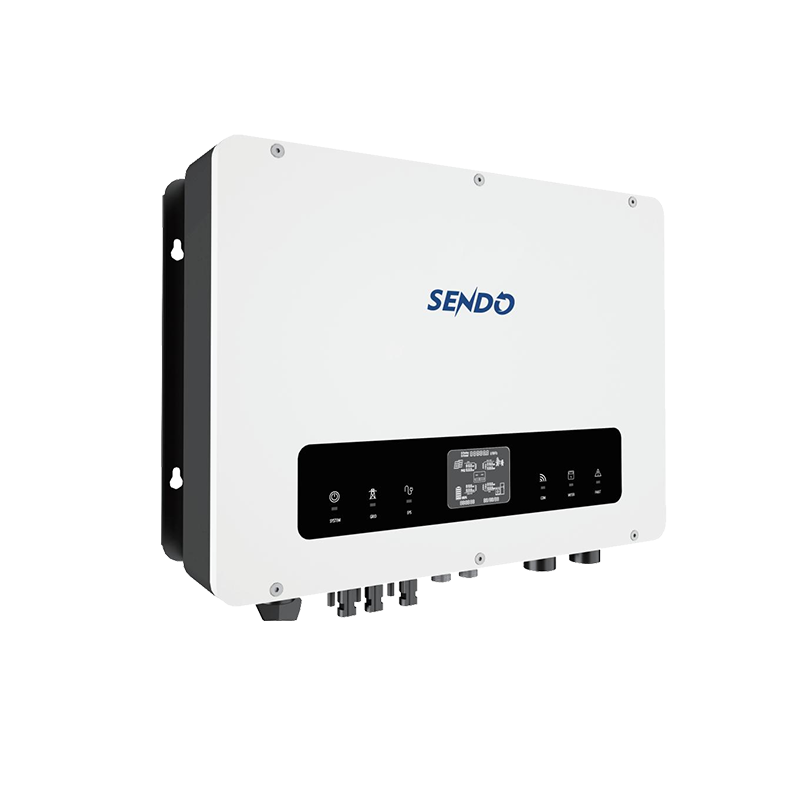 EPH 4-12KTL Three-Phase Hybrid InverterThree-phase hybrid inverter for residential and commercial storage with LFP battery compatibility, high efficiency and multiple protections; review detailed specifications beyond nominal output power.View Product →
The visible specification is output power. The hidden specifications are efficiency at partial load, surge capability, idle draw, derating at high temperature, and compatibility with the actual load. Those details decide whether the system survives a hot afternoon with a compressor cycling on and off.
Pure sine: about 92 percent
Modified: about 85 percent
- Motor loads may draw a surge several times the running current. A modified inverter can trip even when its continuous rating looks adequate.
- Chargers and power supplies may run hotter on a stepped waveform, reducing their service life without an immediate failure.
- A modified unit that needs derating to 70 percent may cost more per usable watt than a pure sine unit rated for the same continuous load.
- Remote sites pay a premium for callouts. One unnecessary service visit can erase the price difference between the two inverter types.
Where each type fits in solar and off-grid projects
Across disaster relief, mining camps, construction sites, military posts, port shore power and self-provided power supply, most solar projects fall into pure sine territory because the load mix is unpredictable. Modified sine is mainly a niche choice for simple heating, basic lighting or non-critical tools where the user controls every load.
- 55 percent: pure sine required for sensitive electronics, medical equipment or mixed loads.
- 25 percent: pure sine preferred for motors, pumps and compressors.
- 12 percent: modified sine acceptable for simple resistive loads.
- 8 percent: verify before use because the load list is incomplete or unknown.
The chart is a practical project-fit view, not a market statistic. It shows why procurement should start with the load list, not with the inverter category. A pure sine inverter is usually the lower-risk choice when the site will be operated by non-specialists, because it removes a compatibility variable that is hard to control after commissioning.
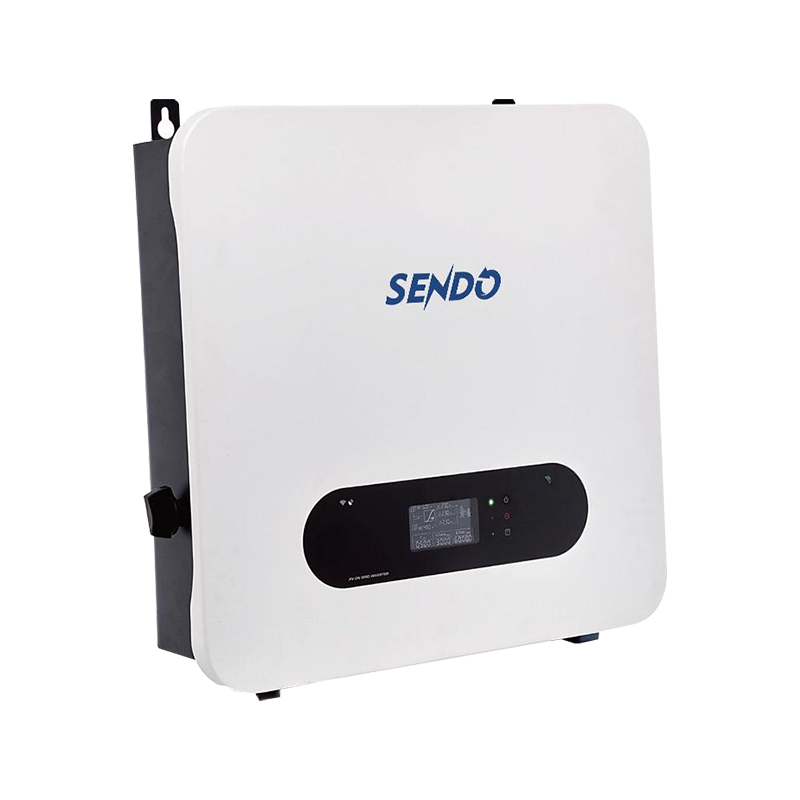 TP4-10KTL/TP10-25KTL Three-Phase On-Grid Inverter SeriesThree-phase on-grid inverter series for medium- to large-scale solar installations, with multiple power ratings, monitoring options and electrical protections; check model against load list.View Product →
Selection guide: match the inverter to the load, not the catalogue
01. Build a load list
Record every device, its continuous watts, starting surge and whether it contains a motor, compressor or sensitive power supply.
02. Check the surge
Size for the worst simultaneous start, not the sum of running watts. A pump and compressor starting together can decide the inverter rating.
03. Read the datasheet
Ask for THD, efficiency at 25, 50 and 100 percent load, idle draw, derating temperature and surge duration.
04. Test the worst case
Before shipment or site acceptance, run the noisiest load and the most sensitive load together. Listen for buzzing and check for resets.
Return on investment follows the same logic. If a modified inverter saves 60 dollars but causes one 300-dollar power supply failure and a site visit, the saving is gone. For a solar hybrid system expected to run for years, the pure sine premium is usually the cheaper insurance.
Maintenance, compliance and procurement checks
- Confirm the inverter is listed for the intended grid interface, or for off-grid use if no grid connection exists.
- Check that the warranty covers the actual load category, not only a resistive test load.
- Keep spare cooling fans, filters and fuses for remote sites. Heat is the common enemy of both inverter types.
- Record commissioning tests with load, waveform, voltage and temperature. A baseline makes later faults easier to diagnose.
- For compliance, request declarations, test reports and labels that match the delivered model, not a generic catalogue page.
The practical rule is simple: use pure sine wave inverters for solar systems with mixed or sensitive loads, and reserve modified sine wave units for controlled, non-critical resistive loads. The inverter is a long-term interface between the energy source and the equipment. A clean waveform is often the least visible and most valuable part of the specification.
