

 en
en  English
 中文简体
中文简体 عربى
عربى
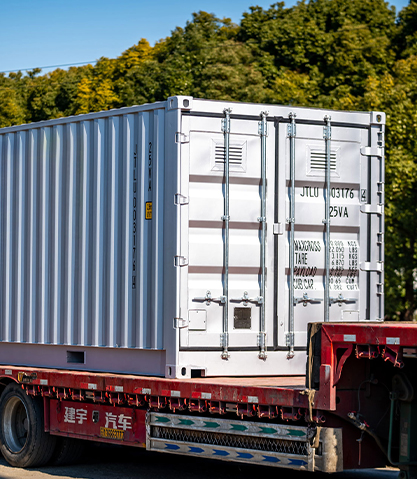
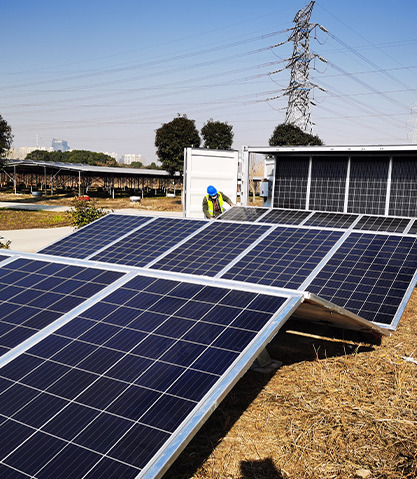
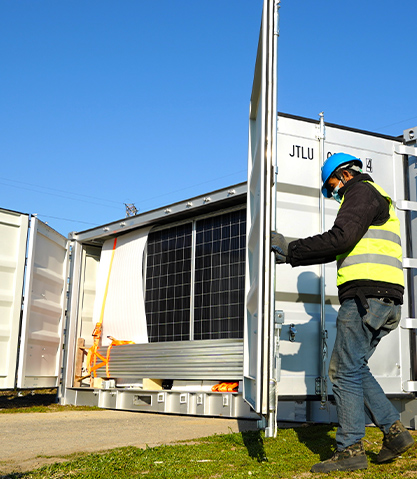
A project manager is choosing power for a remote camp. A homeowner is getting bids for a roof array. A factory wants to cut demand charges without losing uptime. All three are asking the same question: should I go off-grid or on-grid? The answer depends less on solar technology and more on the grid that is available at the site.
Core conclusion: Choose on-grid when the utility grid is stable and net metering is available; it gives the lowest upfront cost and the fastest payback. Choose off-grid when grid access is absent or unreliable and power continuity justifies the extra storage cost. Choose hybrid when you want both grid benefits and backup resilience.
Content
- 1 What Actually Changes Between On-Grid, Off-Grid, and Hybrid Solar
- 2 On-Grid vs Off-Grid Solar: Side-by-Side Comparison
- 3 Hidden Metrics That Change the Cost and Performance Picture
- 4 Where On-Grid and Off-Grid Systems Are Actually Deployed
- 5 A Practical Selection Sequence with ROI Checks
- 6 Maintenance and Compliance Guidance
What Actually Changes Between On-Grid, Off-Grid, and Hybrid Solar
On-Grid Solar
An on-grid system feeds solar power through a grid-following inverter that synchronizes with the utility's voltage and frequency. The grid acts as an infinite battery: you pull power at night and send surplus power during the day, usually settled through net metering. Because no battery is required, the system is compact, cheap, and highly efficient. The limitation is that the inverter must shut down when the grid fails, so you lose power during an outage even in full sunlight.
Off-Grid Solar
An off-grid system is a standalone microgrid. It contains solar modules, a charge controller or hybrid inverter, a battery bank, and often a backup generator. Sizing is based on the worst irradiance month and the peak load, not annual average production. Autonomy is typically set at two to three days of battery storage, which is why system cost rises quickly with reliability requirements. The benefit is complete independence from utility infrastructure.
Hybrid Solar
A hybrid system adds a battery to a grid-connected design. The inverter decides whether electricity flows from solar, battery, or grid, and can switch seamlessly during an outage. This works well for areas with frequent but short blackouts or with time-of-use tariffs. For example, a three-phase hybrid inverter combines grid feed-in, battery charging, and backup output in one enclosure, which reduces wiring and simplifies control.
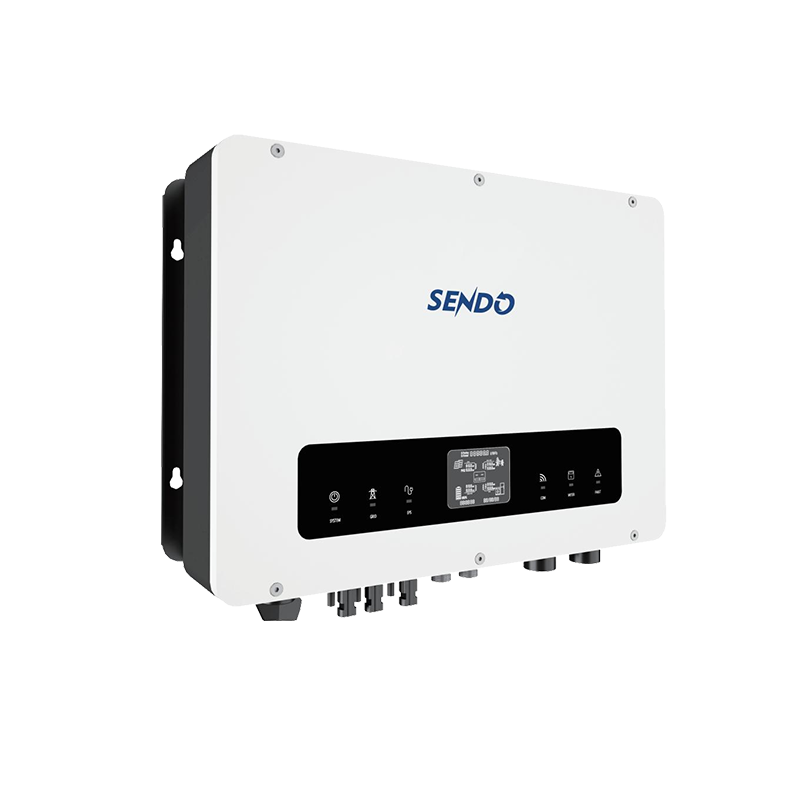 EPH 4-12KTL Three Phase Hybrid Inverter Manufacturers, Suppliers, Factory - SentSenta Energy - EPH 4-12KTL Three Phase Hybrid Inverter Suppliers and Manufacturers in China, Custom EPH 4-12KTL Three Phase Hybrid Invert...View Product →
On-Grid Characteristics
- Requires a stable utility connection
- No battery, lowest initial cost
- Shuts down during outages
Off-Grid Characteristics
- Fully independent microgrid
- Battery bank is essential
- Load management is required
Hybrid Characteristics
- Grid connected with battery backup
- Seamless outage transfer
- Supports peak shaving and time-of-use savings
On-Grid vs Off-Grid Solar: Side-by-Side Comparison
The table below compares typical residential and light-commercial configurations. The values are directional, not a quote, but they highlight where each architecture wins.
Directional comparison for planning; actual results depend on local radiation, tariffs, incentives, and site conditions.
Hidden Metrics That Change the Cost and Performance Picture
A per-watt price does not show how a system behaves on a cloudy week. Two metrics matter more: round-trip efficiency and independence from the grid. The chart below shows typical values for a well-designed system.
Off-grid and hybrid systems lose roughly 10 to 18 percent of solar energy in battery charge and discharge cycles. That is the price of energy independence. On-grid systems avoid those losses but depend entirely on utility availability. When you compare quotes, ask for round-trip efficiency, battery chemistry, and the annual projected self-consumption, not just installed watts.
Where On-Grid and Off-Grid Systems Are Actually Deployed
The split between grid-tied, off-grid, and hybrid systems follows the reliability of local infrastructure. The pie below shows a typical project mix across commercial, industrial, and humanitarian installations.
Grid-tied systems dominate in urban and suburban areas where net metering exists and outages are short. Off-grid systems dominate in mining, exploration, construction, emergency response, islands, and other sites where bringing in a transmission line would cost more than the generating plant. For sites with no utility access at all, self-provided power supply solutions take over the role of the grid. Hybrid systems are increasing in areas where electricity prices are high but grid reliability is moderate.
A Practical Selection Sequence with ROI Checks
Start with site conditions, not with a product model. A five-step sequence avoids the most common design mistakes.
Step 1: Define the Load Profile
List every load, its power rating, and hours per day. Separate critical loads from loads that can be shed during poor weather.
Step 2: Check Grid Reliability
Review annual outage frequency and duration. If outages add up to more than a few dozen hours per year, battery backup starts to justify itself.
Step 3: Size Storage Around Autonomy
Off-grid systems typically need two to three days of autonomy. For large storage requirements, a battery ESS container can be scaled in blocks to match the required autonomy.
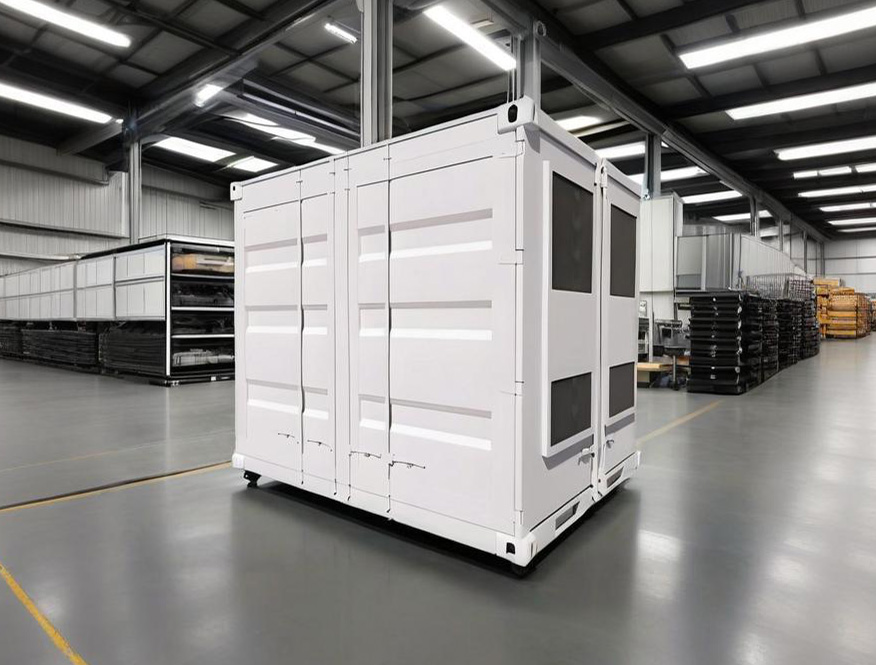 Battery ESS Container Suppliers, CompanyAs Battery ESS Container Suppliers and Battery ESS Container Company in China, Senta Energy Co., Ltd. offer custom Battery ESS Container.View Product →
Step 4: Compare Total Cost of Ownership
Include battery replacement, diesel fuel for backup, maintenance labor, lost production during downtime, and expected tariff increases. A three-phase hybrid inverter can serve as the control hub for both grid and battery, reducing the number of separate components.
Step 5: Verify Codes, Tariffs, and Permissions
Confirm net metering rules, anti-islanding requirements, battery fire codes, and available incentives. Ignoring compliance can delay a project by months.
Maintenance and Compliance Guidance
Choose a system you can actually maintain for ten years. Maintenance needs differ sharply between grid-tied simplicity and off-grid battery discipline.
- On-grid maintenance: keep panels clean, check inverter cooling fans and alarms, and plan a replacement budget after 10 to 15 years.
- Off-grid maintenance: treat batteries as a managed asset. Control depth of discharge, keep the room ventilated, and run regular capacity checks.
- Rapid deployment: for disaster relief or temporary sites, a foldable solar power container
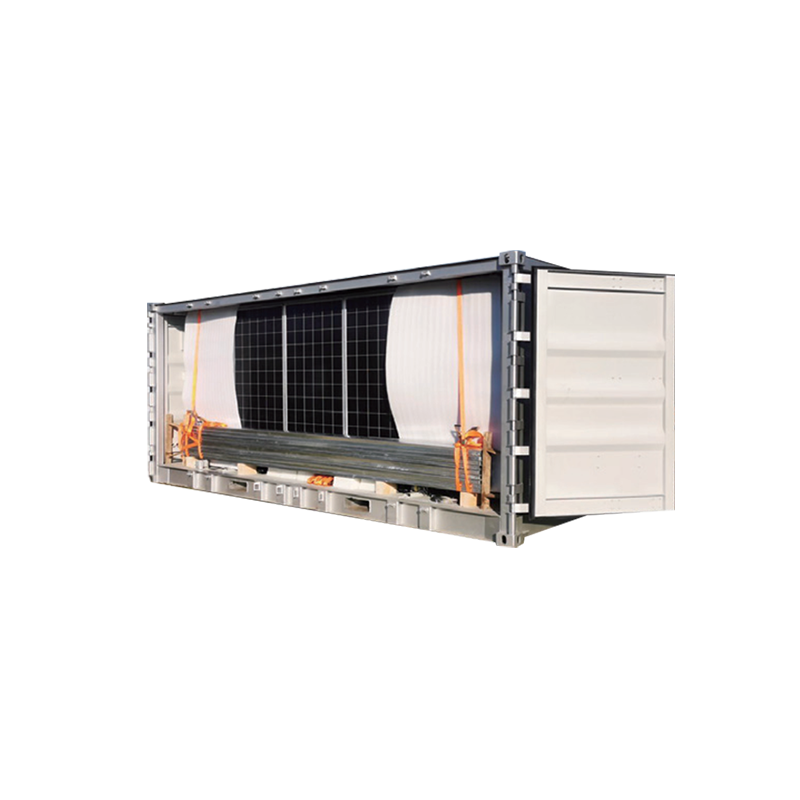 Foldable Solar Power Container Manufacturers, Suppliers, Factory - Senta Energy Senta Energy - Foldable Solar Power Container Suppliers and Manufacturers in China, Custom Foldable Solar Power Container. The foldable s...View Product → can establish generation within hours and be moved when the project changes.
Compliance is just as important as hardware. Grid-connected projects usually need an interconnection agreement, a bidirectional meter, and anti-islanding protection. Off-grid projects avoid grid permits but still fall under electrical and fire safety codes. Teams looking for a transportable system can read more about mobile solar power containers for off-grid energy anywhere. Ask the supplier for a single-line diagram, product certificates, and warranty terms before accepting a proposal.
Neither off-grid nor on-grid is universally better. The right answer is tied to the site's grid, the owner's tolerance for downtime, and the team available for maintenance. An on-grid array is hard to beat where the grid is stable and net metering is available. An off-grid plant pays for itself in remote operations where power failure stops production. When the future is uncertain, hybrid architecture is the safer way to keep both options open.
