

 en
en  English
 中文简体
中文简体 عربى
عربى
Product capacity (MWh): 1
Platform voltage (V): 716.8
Battery module model: 51.2V 280Ah
Charge discharge rate: 0.5C
Cooling method: Air conditioning cooling
Fire protection system: Yes
Weight (ton): 18
Working temperature (° C):- 20-60
Communication protocol: 485 CAN
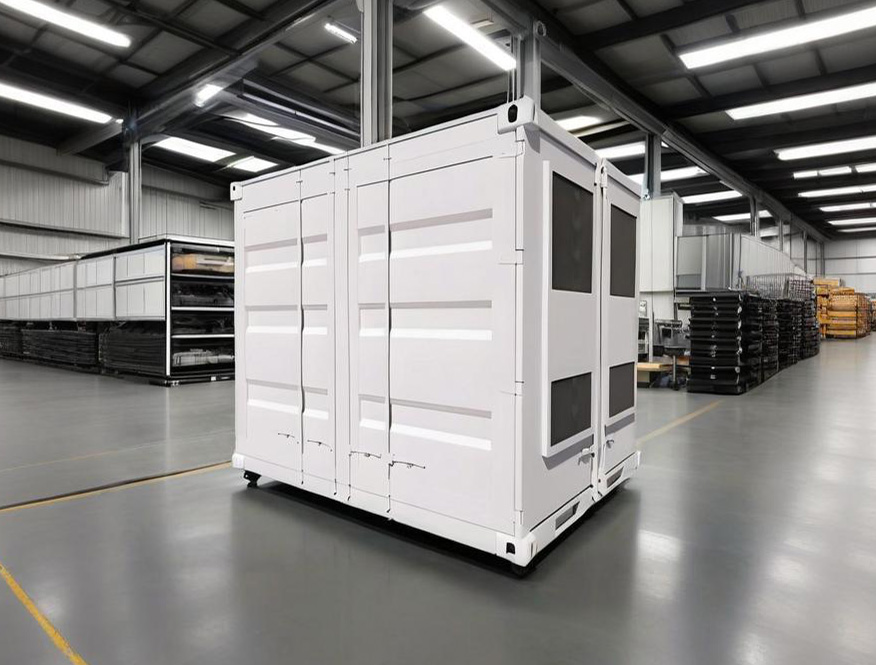
Battery ESS Container
The industrial and commercial energy storage system has an IP67 protection level and is suitable for various application scenarios such as peak shaving and valley filling, AC power grid expansion, factory backup power, industrial and commercial power guarantee, and off grid emergency power supply.
SENTA 丨 Products
Model Display
View More
-
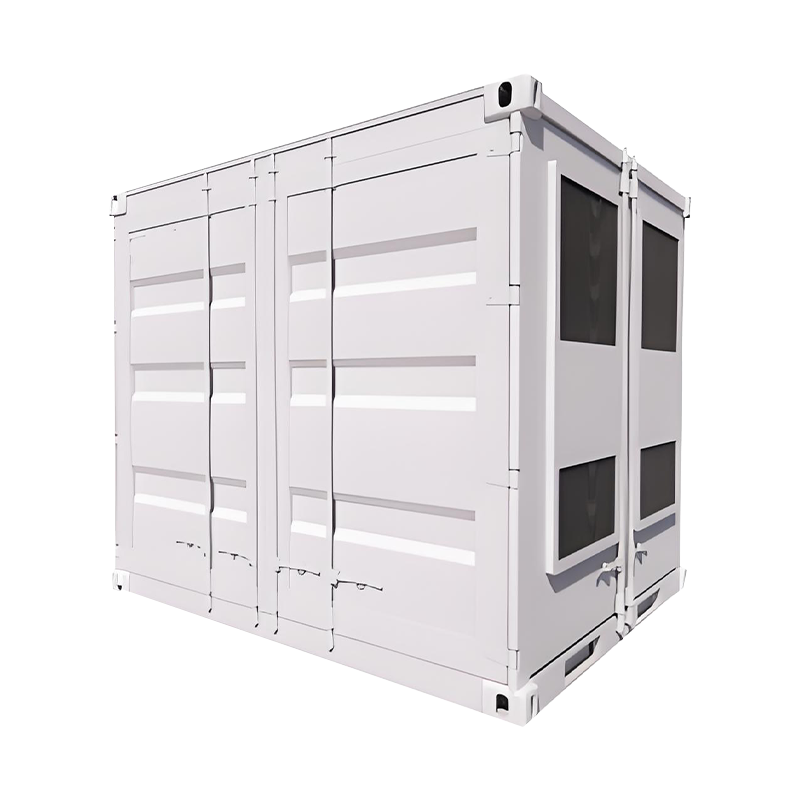 BESS-10GP
Increase electrical energy
Emergency backup power
Quick commissioning
Reduce costs
High security
Flexible expansion
Consume green electricity
Scalability
-
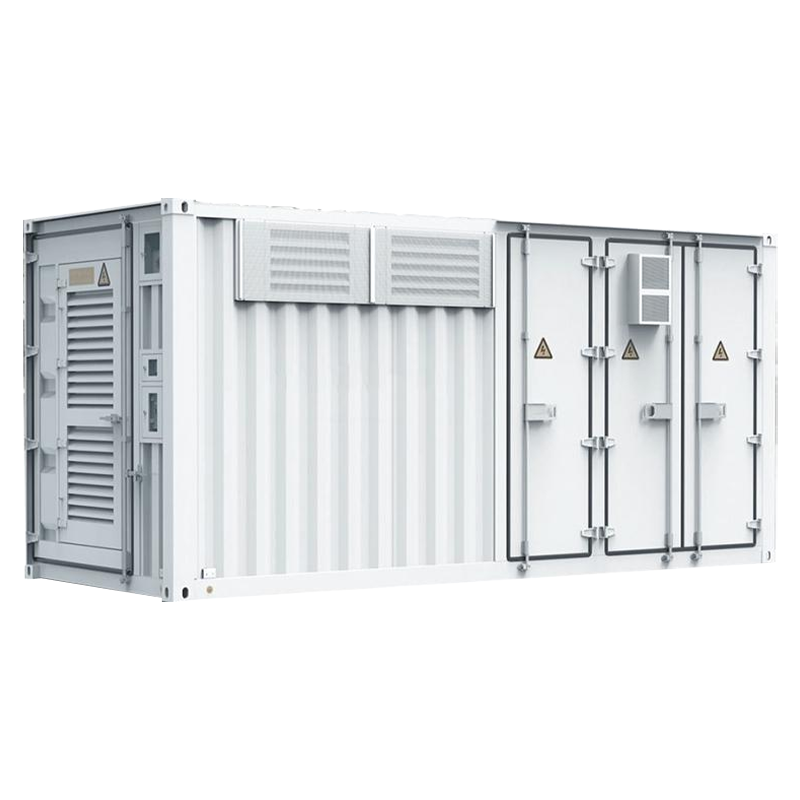 BESS-20GP
Rated power (MWh): 5
Rated power (MW): 2.5
Rated voltage (V): 1331.2
Dimensions (width * depth * height) mm: 6258*2600*2996
Weight (t): About 50
Environmental temperature (° C):- 30-55
Communication interface: RS485、CAN、 EthernetIncrease electrical energy
Emergency backup power
Quick commissioning
Reduce costs
High security
Flexible expansion
Consume green electricity
Scalability
-
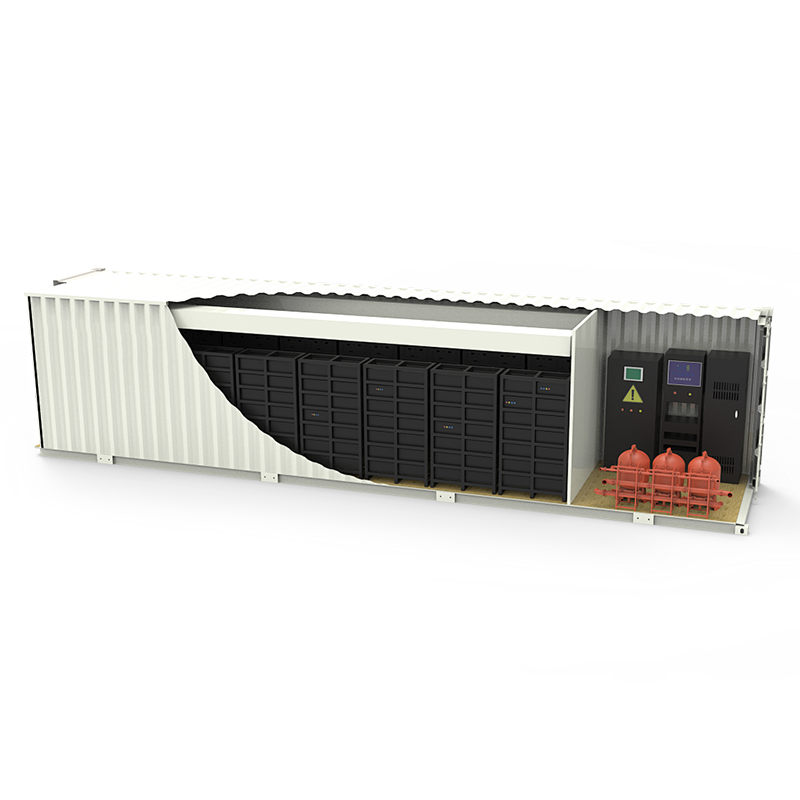 BESS-40GP
Rated power (MWh): 5.9
Rated power (MW): 2.95(8.85@10S)
Rated voltage (V): 1331.2
Dimensions (width * depth * height) mm: 12192*2900*3000
Weight (t): 50
Environmental temperature (° C):- 30-55
Communication interface: RS485、CAN、 EthernetIncrease electrical energy
Emergency backup power
Quick commissioning
Reduce costs
High security
Flexible expansion
Consume green electricity
Scalability
Projects Case
-
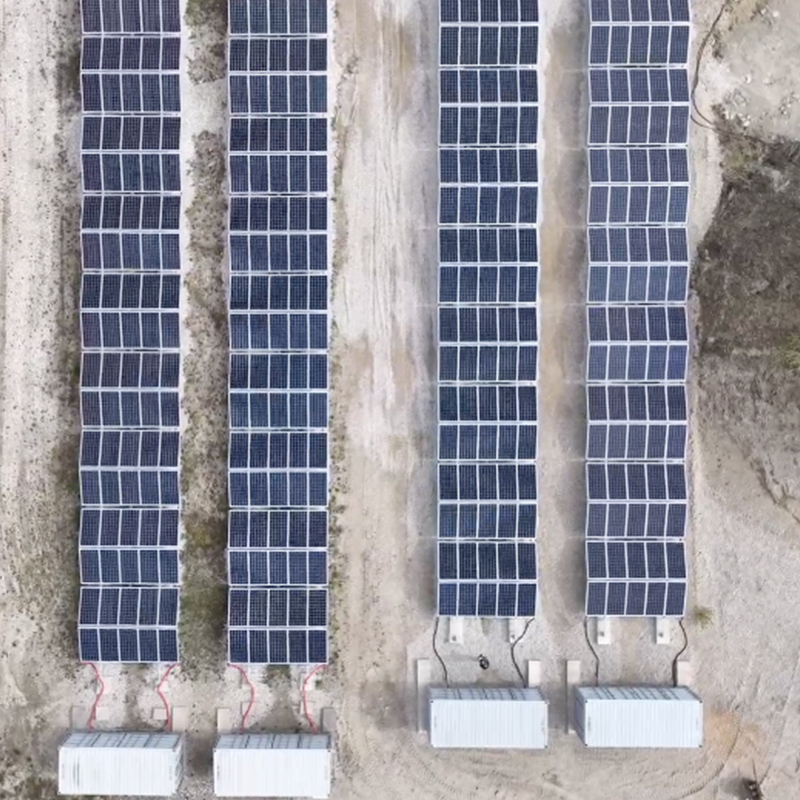
Mine lot
-
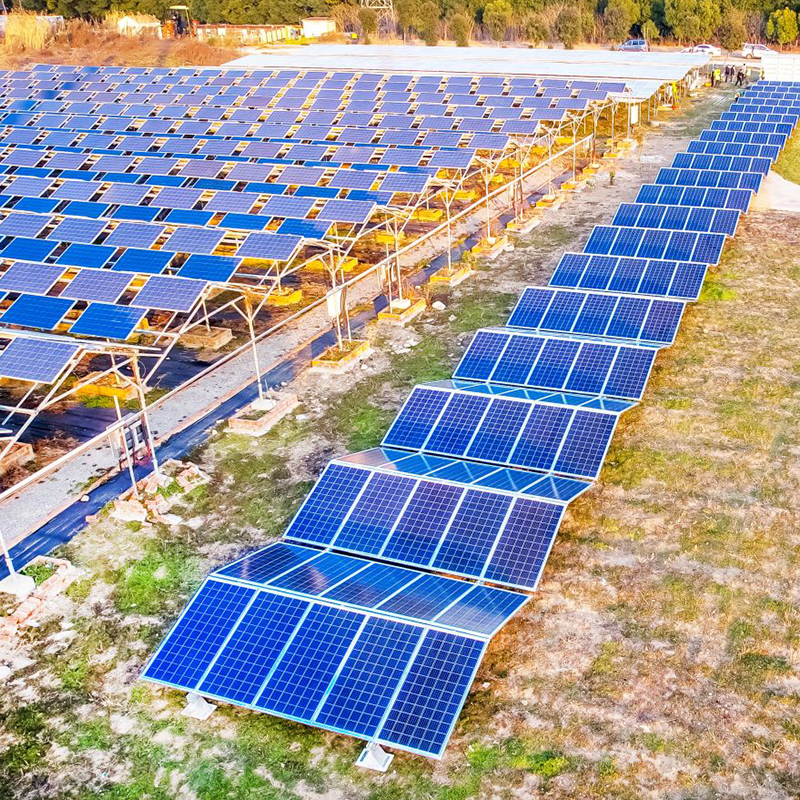
Grassland
-
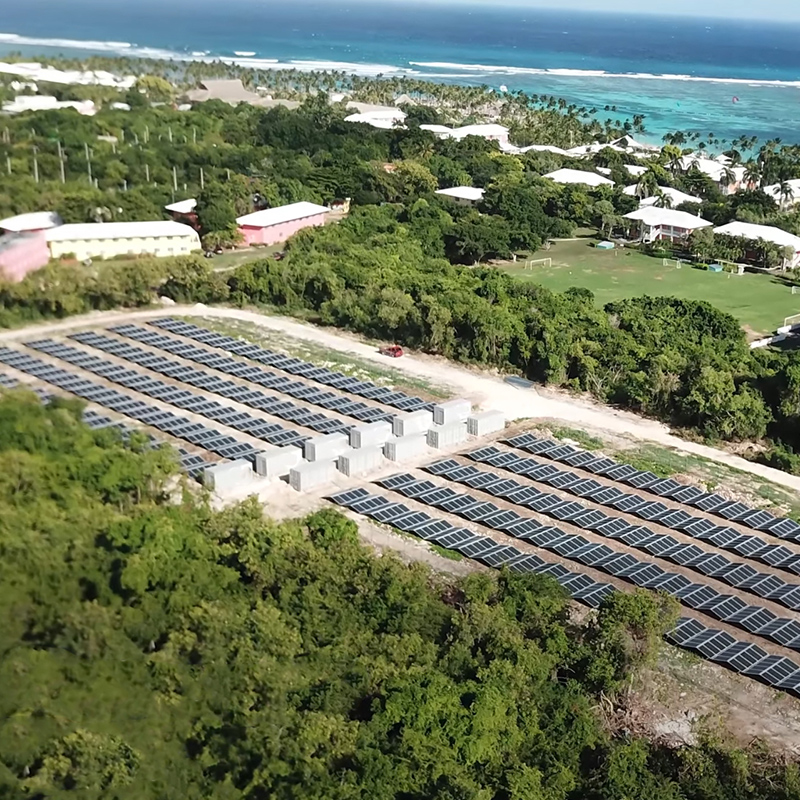
Island
-
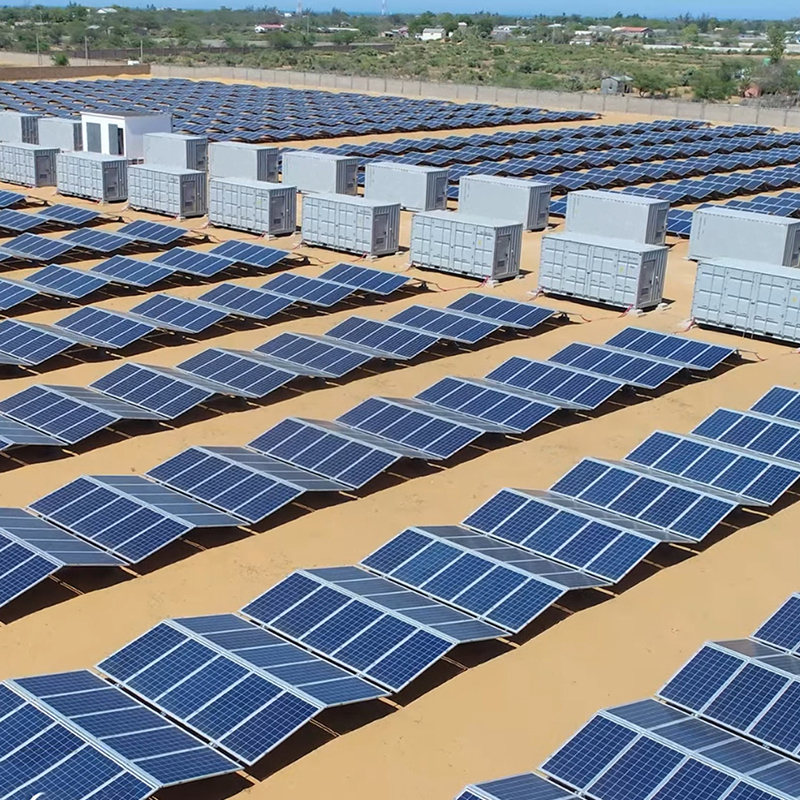
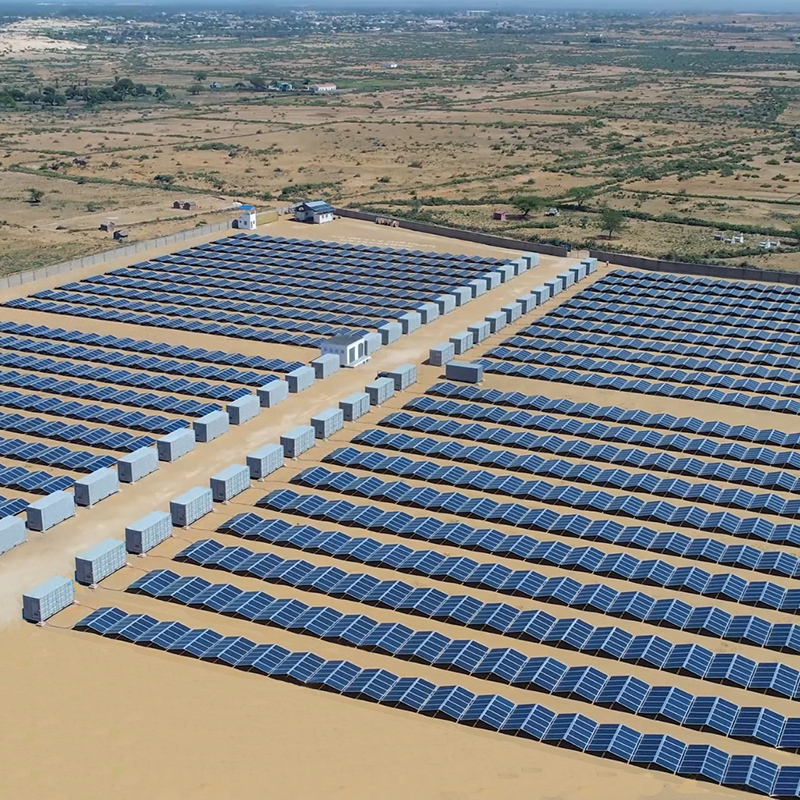
Desert
-
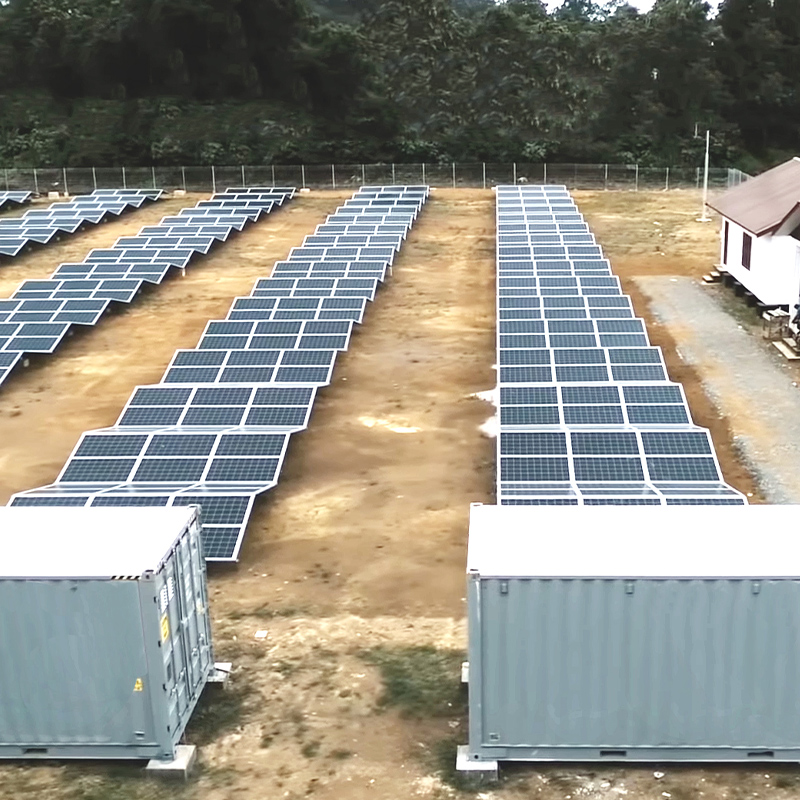
Wilderness
-
Island
-
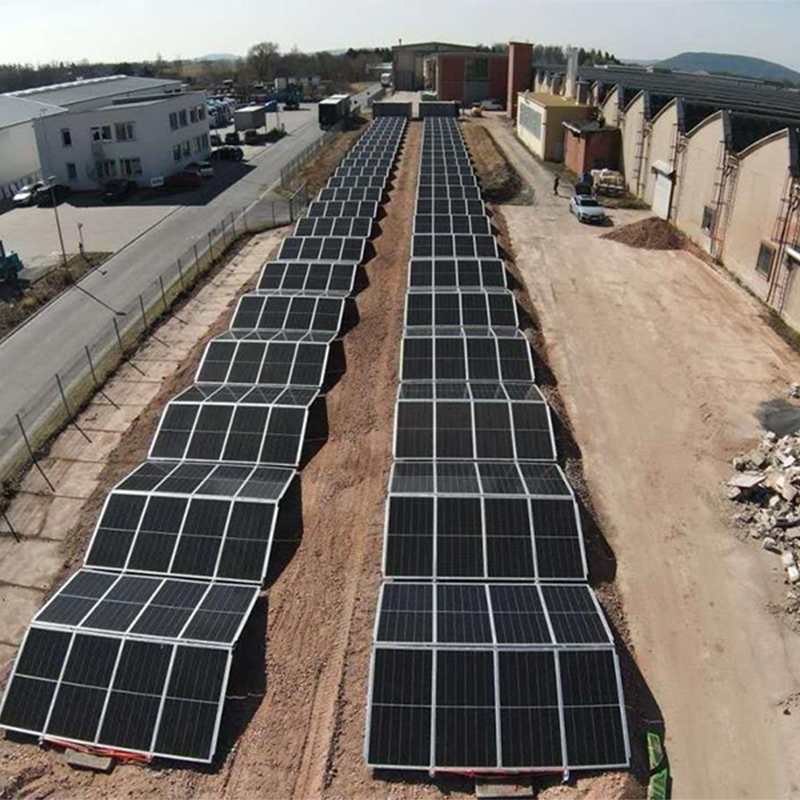
20HQ100K
Product Consultation
We attach great importance to your letter and will reply to you as soon as possible.
SENTA ENERGY
We Are Green Energy/Smart Building/Innovative Agricultural System Producer&Integrator.
Founded in 2016, Senta Energy Co., Ltd., located in Wuxi, Jiangsu, is a high-tech enterprise mainly engaged in new energy photovoltaic power generation and energy storage business, new building prefabricated houses and new agricultural distributed planting business. ESS Container Manufacturers and Containerized Battery Energy Storage System Suppliers. Integrating independent research and development, production, sales, and service, we are committed to providing global users with overall solutions for the whole life cycle intelligent energy, intelligent buildings, and intelligent planting.
-
2016
Founded in 2016
-
60+
Number of patents
-
20+
Cooperative countries
-
xx
Collaboration case

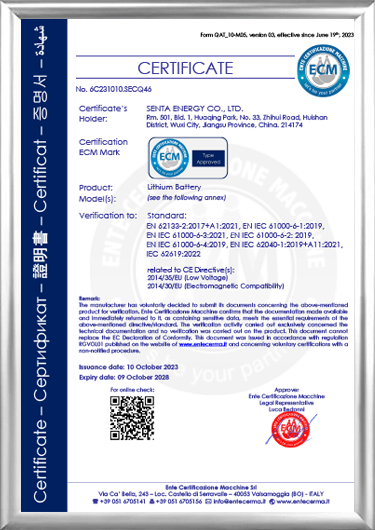
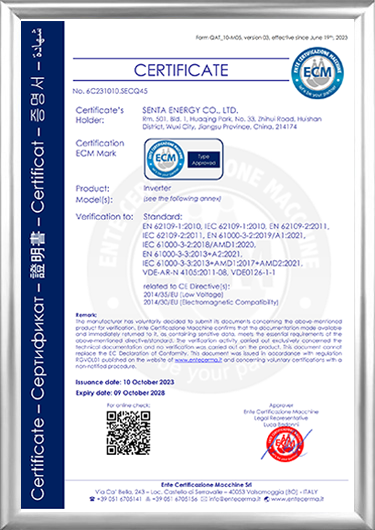
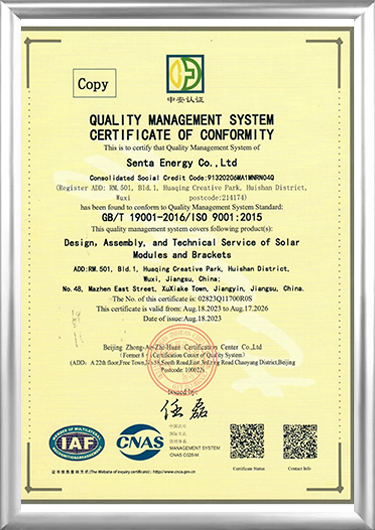
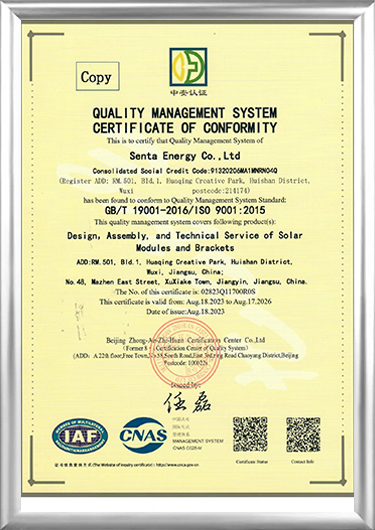
Certificates
The Honor
We Have Received.
View More
We Have Received.
-More than 40 Patents, among which 7 inventions
-1 integrated circuit
-8 Software copyright
-More than 60 Trademarks, among which 1 international trademark
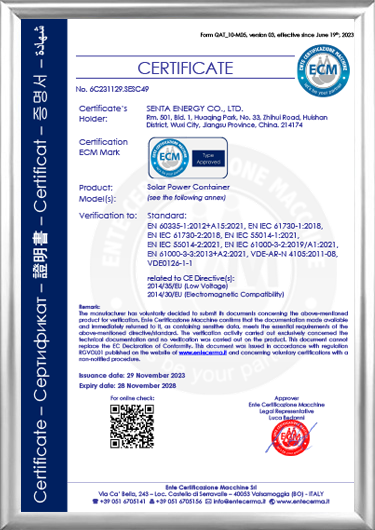
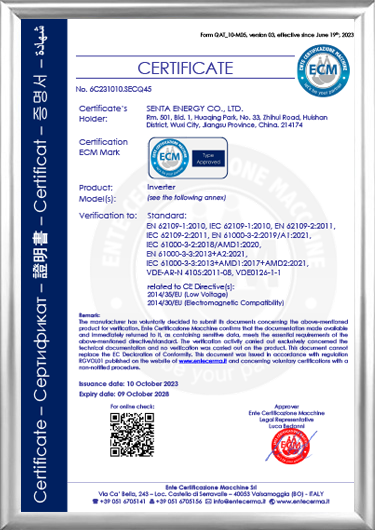
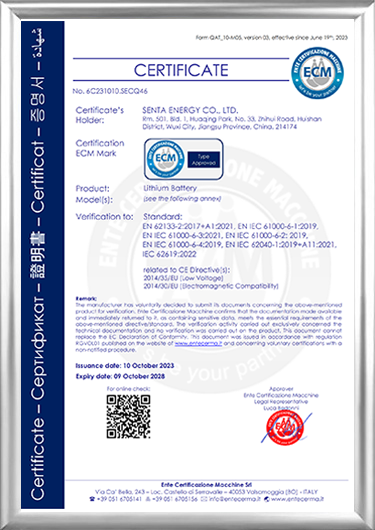
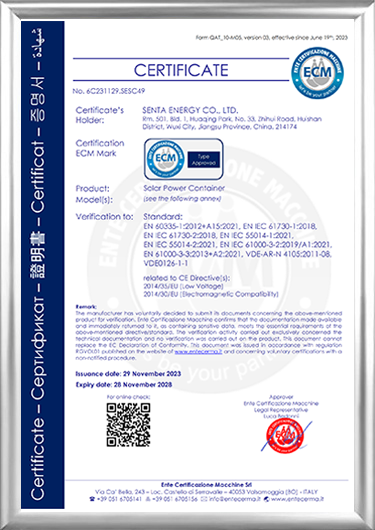
News
-
A project manager is choosing power for a remote camp. A homeowner is getting bids for a roof array. A factory wants to cut demand charges without lo...
READ MORE -
Imagine you are designing an off-grid power system for a mountain cabin that sees long overcast winters. You have a limited roof area, and you need t...
READ MORE -
Senta Energy Co., Ltd. | Wuxi, Jiangsu Technical White Paper Published: August 2026 By Senta Energy Engineering Team 12 min read Executive Summary...
READ MORE -
An integrated photovoltaic plant is no longer a niche concept—it is the backbone of modern utility-scale solar deployment. This definitive guide dis...
READ MORE
Message Feedback
Industry knowledge
Understanding Battery ESS Containers for Peak Shaving and Valley Filling
Battery Energy Storage Systems (ESS) are increasingly used in industrial and commercial applications to optimize energy usage, improve grid stability, and reduce electricity costs. One of the most important functions of ESS is **peak shaving and valley filling**, which involves storing excess energy during off-peak hours and discharging it during periods of high demand. This article will explore how **Battery ESS containers** are tailored for this function, offering practical insights into their design, deployment, and benefits.
Peak shaving refers to the process of reducing the peak demand for electricity, thus lowering costs and preventing strain on the power grid. Valley filling involves storing energy during times when demand is low (such as at night) and discharging it during periods of high demand. Battery ESS containers enable both of these functions by efficiently managing energy storage and discharge cycles in a controlled, scalable manner.
Key Features of Battery ESS Containers
Battery ESS containers for peak shaving and valley filling are designed to meet the specific needs of industrial and commercial facilities, offering several core features:
- **IP67 Protection**: These containers are engineered with an IP67 rating, ensuring they are dust-tight and can withstand water immersion up to 1 meter deep for 30 minutes. This makes them suitable for outdoor use and harsh environmental conditions.
- **Modular Design**: The containers are modular, allowing for flexible scaling based on power needs. Additional units can be added to increase storage capacity as demand grows.
- **High-Capacity Energy Storage**: Equipped with advanced lithium-ion or other high-performance batteries, these ESS containers can store substantial amounts of energy for discharge during peak hours.
- **Integrated Power Management**: Each ESS container includes a built-in energy management system that controls charging, discharging, and overall energy flow, ensuring efficiency in peak shaving and valley filling operations.
How Battery ESS Containers Support Peak Shaving and Valley Filling
Battery ESS containers are designed to optimize the timing and quantity of energy usage. Here's how they function in peak shaving and valley filling scenarios:
Peak Shaving with Battery ESS Containers
During peak demand hours, energy prices are typically higher due to increased strain on the grid. Battery ESS containers can discharge stored energy to reduce reliance on the grid, thereby cutting energy costs. The system works by:
- Charging the battery during off-peak hours when energy prices are lower
- Discharging energy during peak demand hours, when electricity prices are higher, to power industrial or commercial operations
- Reducing grid dependency, improving sustainability by lowering carbon footprints, and enhancing overall energy security
Valley Filling with Battery ESS Containers
Valley filling addresses the challenge of low demand periods by utilizing excess energy generated when consumption is low. Battery ESS containers store this energy and release it when needed:
- Storing energy during low-demand periods (typically nighttime), when electricity prices are at their lowest
- Discharging energy during daytime or peak demand periods to balance grid load and ensure a stable energy supply
- Reducing the need for expensive peak generation from traditional power plants, thus lowering energy costs for the facility
Applications of Battery ESS Containers for Industrial and Commercial Use
Battery ESS containers are suitable for a variety of industrial and commercial applications. Their flexibility allows them to serve numerous energy needs, including but not limited to:
- **AC Power Grid Expansion**: Battery ESS containers provide supplementary energy to the grid, supporting infrastructure development and improving power distribution in growing industrial areas.
- **Factory Backup Power**: Critical industrial operations benefit from uninterrupted power supply by using ESS containers as backup energy sources during grid outages.
- **Off-Grid Emergency Power Supply**: For off-grid industrial sites or emergency scenarios, Battery ESS containers provide reliable power storage and delivery for remote locations.
- **Industrial and Commercial Power Guarantee**: Businesses can reduce energy costs and increase operational efficiency by using Battery ESS containers for load balancing and energy assurance.
Advantages of Battery ESS Containers
Battery ESS containers offer numerous advantages over traditional energy storage and distribution systems. These benefits include:
- **Cost Savings**: Reducing peak energy consumption lowers overall electricity costs, making ESS containers a cost-effective solution for long-term energy management.
- **Increased Energy Efficiency**: By storing excess energy and utilizing it during peak hours, facilities can operate more efficiently and reduce waste.
- **Environmental Benefits**: Battery ESS containers help reduce reliance on fossil fuel-based peak power generation, thus decreasing greenhouse gas emissions.
- **Scalability and Flexibility**: The modular nature of ESS containers allows for easy scaling as energy demand increases or decreases over time.
Key Specifications of Battery ESS Containers
<td style="display:table-cell;font-size:16px
| Protection Rating | IP67 |
| Battery Type | Lithium-ion / Advanced Chemistry |
| Storage Capacity | Up to 2 MWh per Container |
Copyright © Senta Energy Co., Ltd. All Rights Reserved.

Integrated Solar Energy Storage Container Solutions in China