Modular Solar Power Container Manufacturer
We are Senta Energy Co., Ltd., a high-tech enterprise based in Wuxi, Jiangsu, China, specializing in the design, production, and integration of Solar Power Container manufacturer systems. Our containers are factory-assembled, pre-wired, and tested as complete units, enabling plug-and-play deployment across diverse industries. We serve as a turnkey supplier for projects that require fast, reliable, and scalable energy infrastructure.
Our range includes rail-type, wheel-type, and float-type solar PV containers, as well as solar ESS containers that integrate battery storage. Each system is built around a standard shipping container footprint (8ft to 40ft) and can be customized to meet specific power, storage, and environmental requirements.
Product Range and Application Fit
We offer four main container configurations, each designed for a particular deployment scenario:
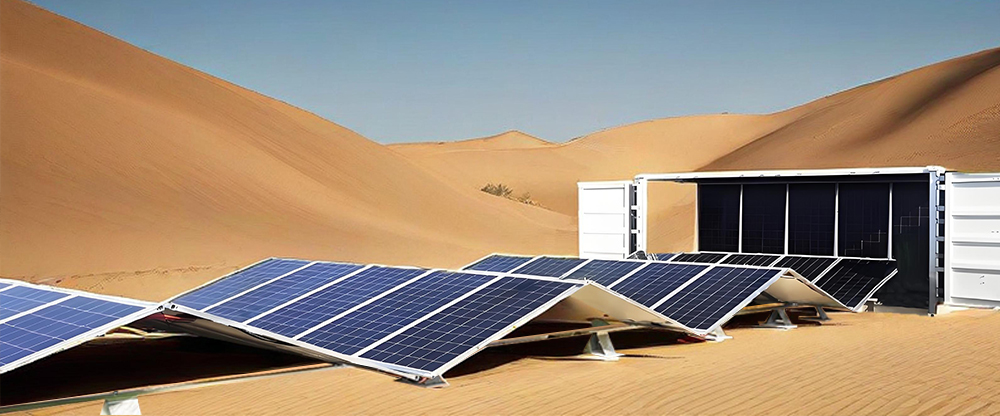
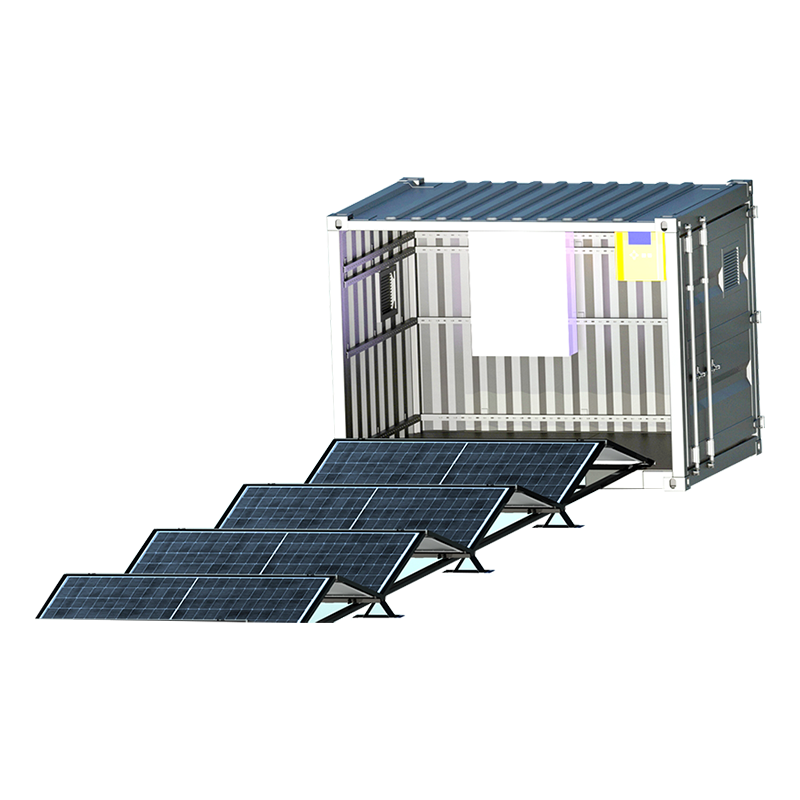
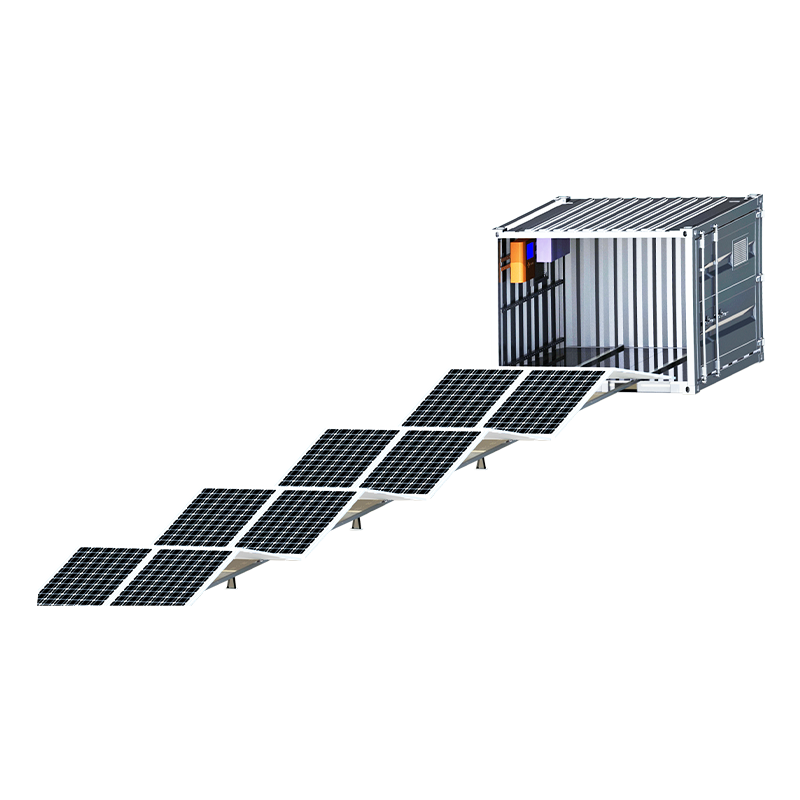
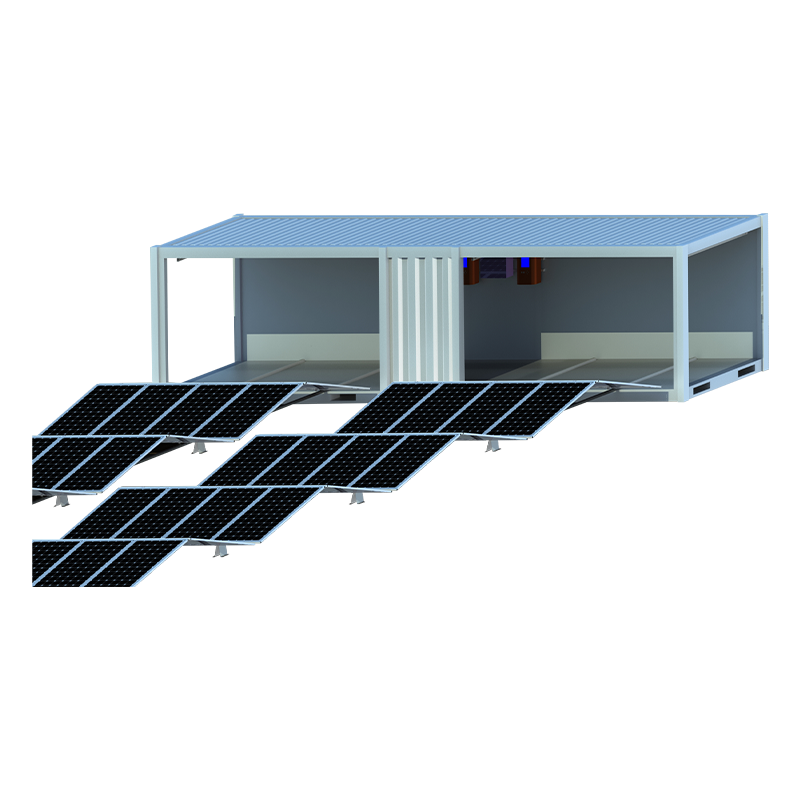
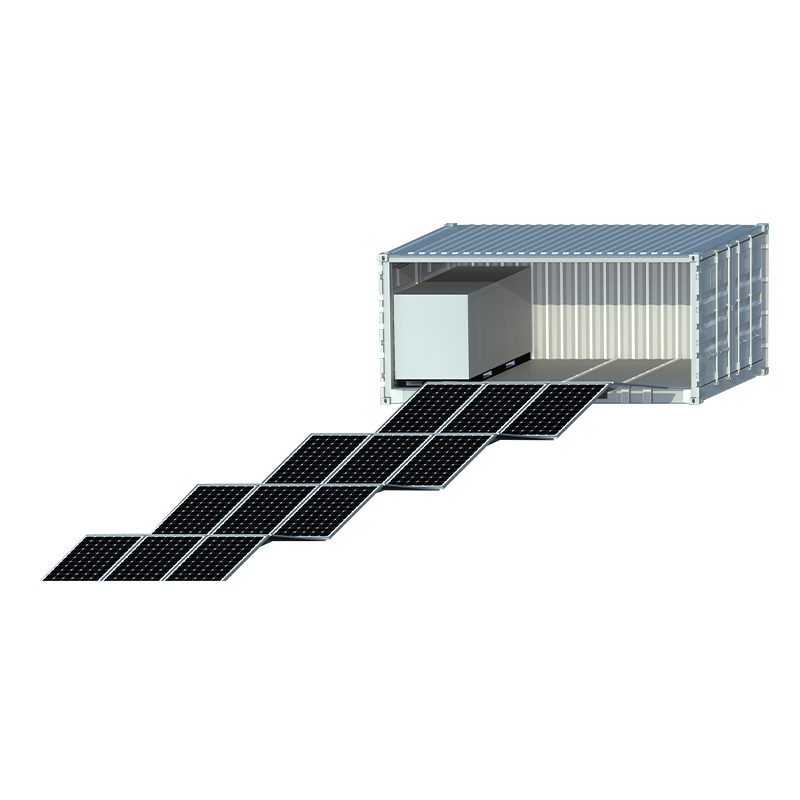
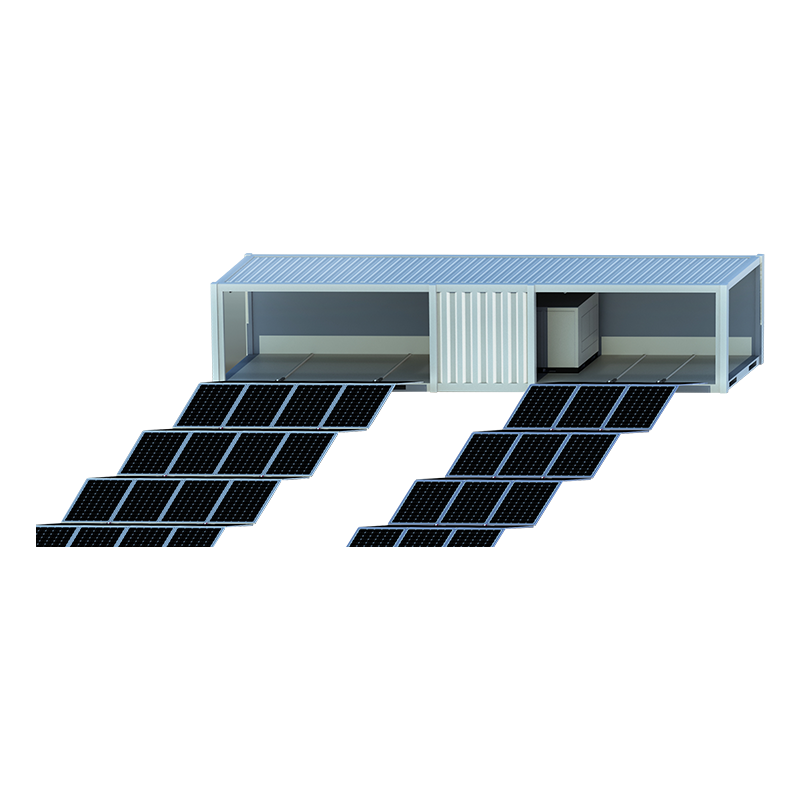
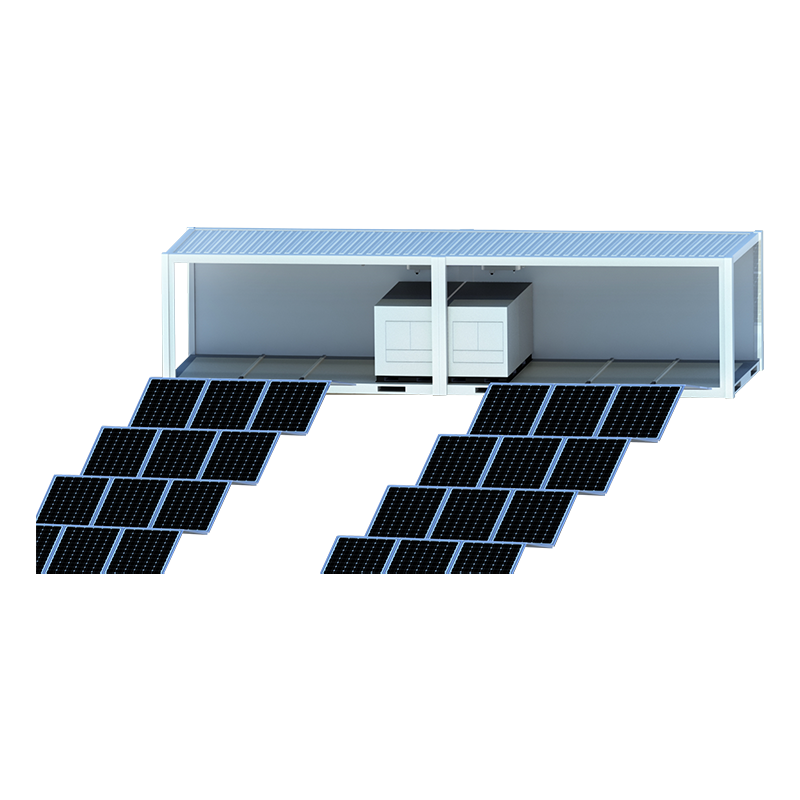
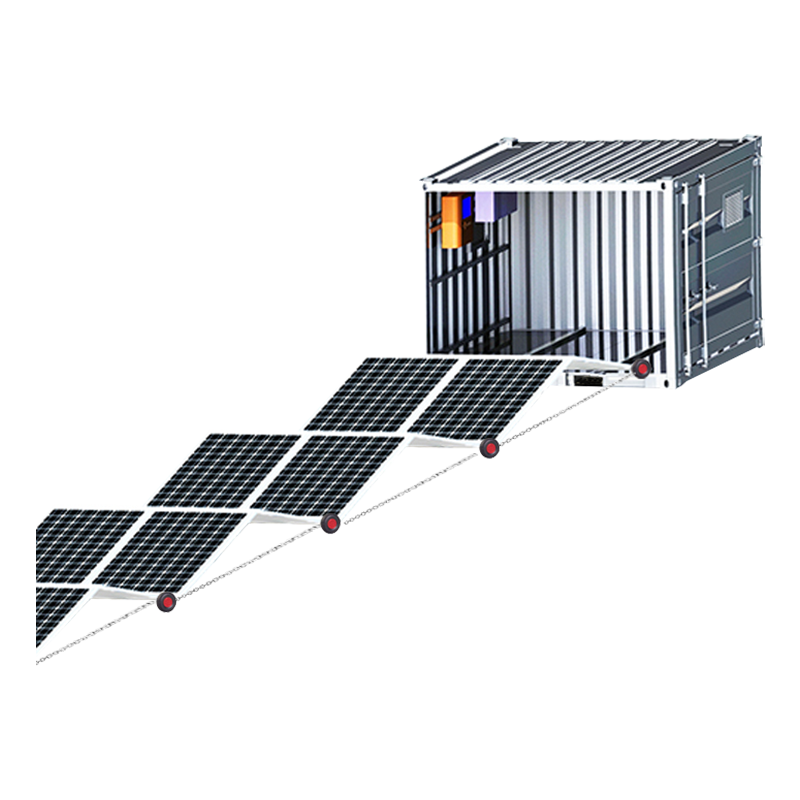
- Solar PV Container (Rail Type) – Foldable PV frames that slide out on rails. Ideal for rapid deployment on trailers or flatbeds. Suitable for temporary power at construction sites, events, mining camps, and emergency response.
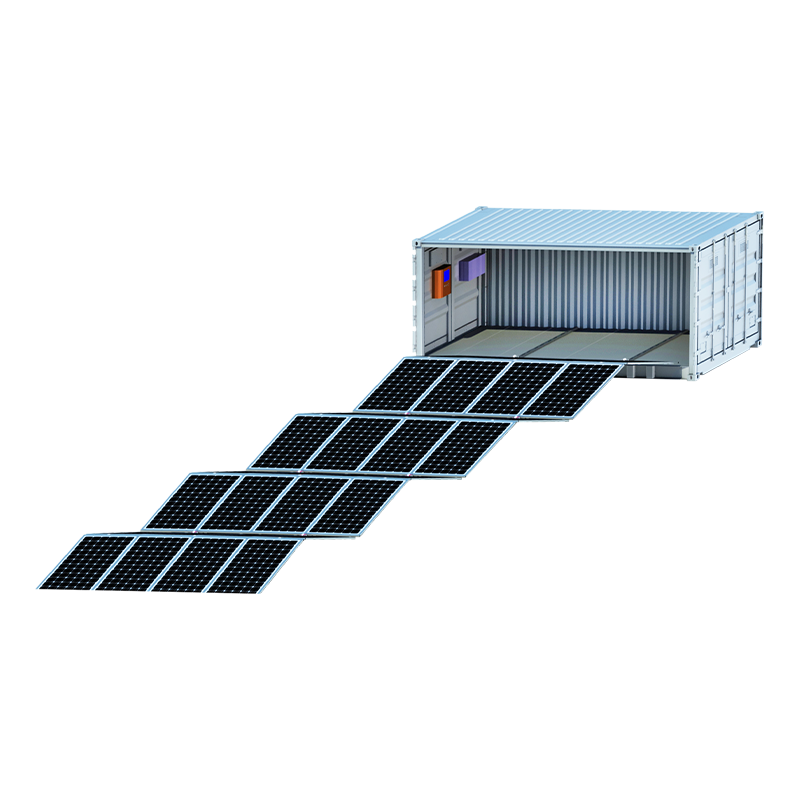
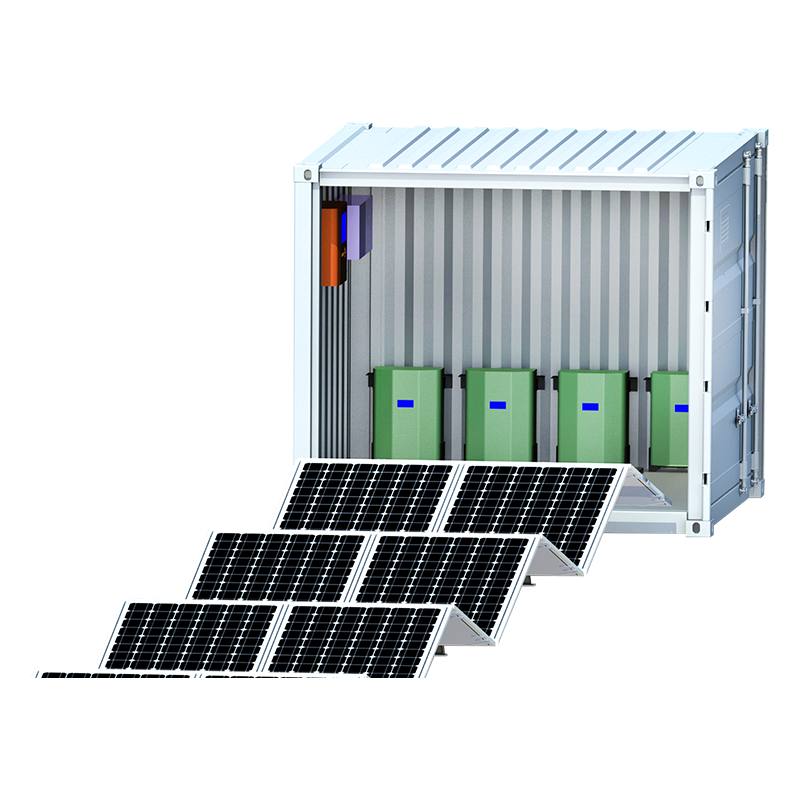
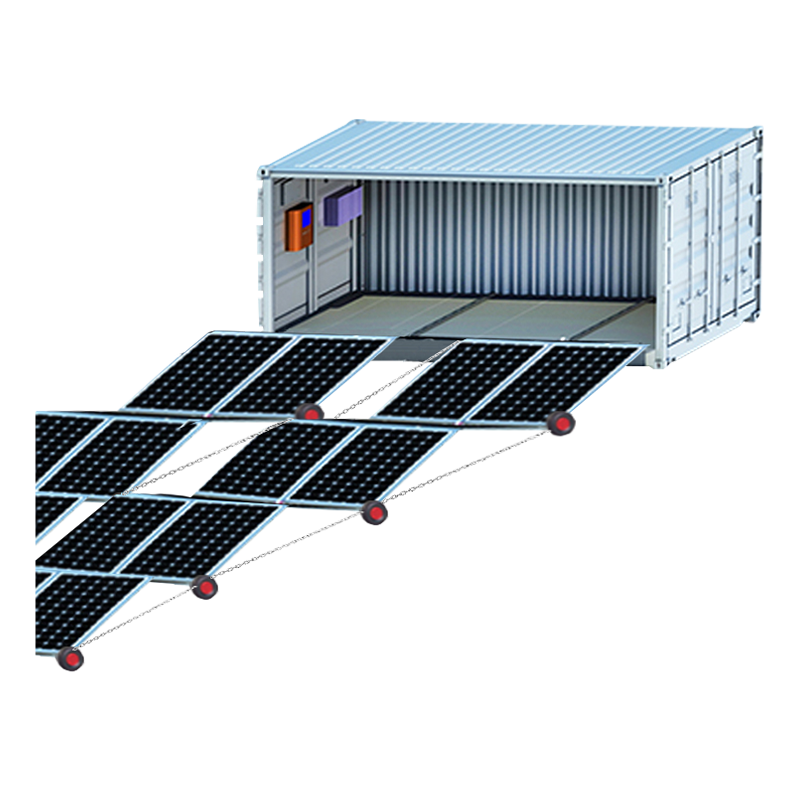
- Solar PV Container (Wheel Type) – Panels unfold like an accordion with wheel-assisted movement. Best for sites that require frequent relocation or quick folding during adverse weather. Common in agriculture, remote telecom, and disaster relief.
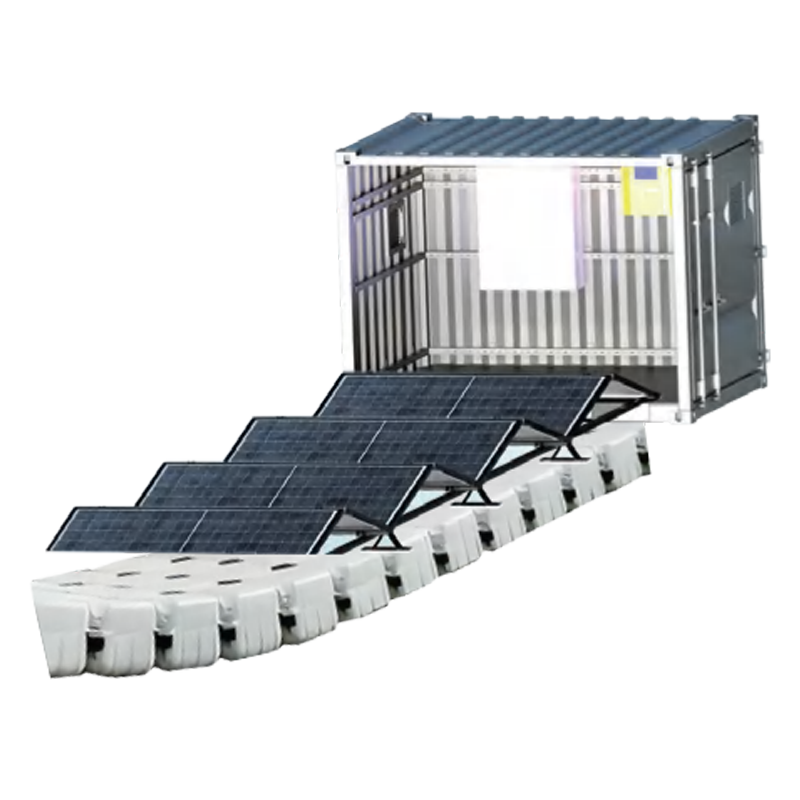
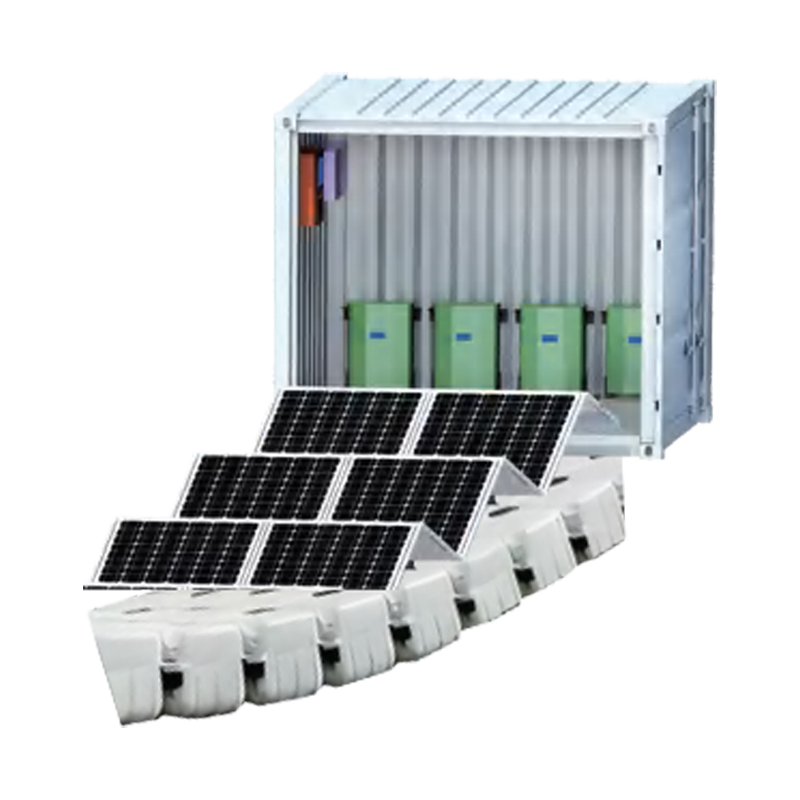
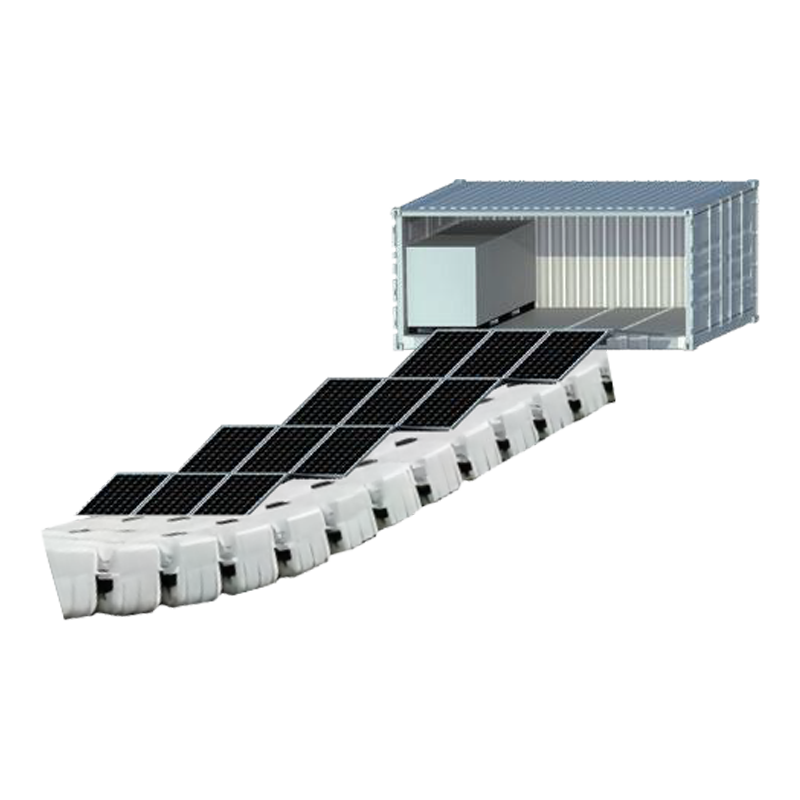
- Solar PV Container (Float Type) – Designed for water-based or flood-prone areas. The float version allows installation on water surfaces, making it suitable for islands, reservoirs, and coastal applications.
- Solar ESS Container (Rail Type) – Combines PV generation with lithium battery storage and optional diesel generator backup. Provides continuous power for off-grid or hybrid microgrids, ideal for remote industrial facilities and critical infrastructure.
We also supply related products such as Battery ESS Container and Solar Power Boxes for customers who need standalone storage or smaller-scale solutions.
Technical Specifications and Configuration
Each container is engineered with specific power ratings, container sizes, and deployment characteristics. The table below summarizes representative models from our rail-type and ESS lines:
| Model |
Type |
Solar Array Capacity |
Container Size |
Total Weight |
Deployment Time |
| SC08GP-M-20K |
Rail PV |
22.68 kWp |
8ft |
5 tons |
60 min |
| SC20HQ-M-100K |
Rail PV |
99.96 kWp |
20ft HQ |
16 tons |
150 min |
| SC10GP-M-30K40 |
ESS Rail |
30.72 kWp |
10ft |
7.5 tons |
80 min |
| SC40HQ-M-150K430 |
ESS Rail |
149.94 kWp |
40ft HQ |
32.5 tons |
220 min |
All systems include pre-wired inverters, mounting structures, and electrical panels. We can adjust module wattage, inverter topology, battery capacity, and optional diesel generator integration based on your load profile and site conditions.
Engineering and Integration
Our engineering team configures each container around the specific working point, material constraints, and production target. We select components from tier-1 brands and verify compatibility through internal testing. For customers who already own a diesel generator, we can integrate it using ATS/STS controllers, provided we receive the generator's brand and parameters.
Control and monitoring are handled through the inverter's native app (WiFi/GPRS) or a dedicated EMS software for larger installations. This allows real-time data visualization, remote operation, and preventive maintenance alerts. We also offer optional microgrid controllers for seamless switching between solar, battery, and genset power.
Quality Assurance and Compliance
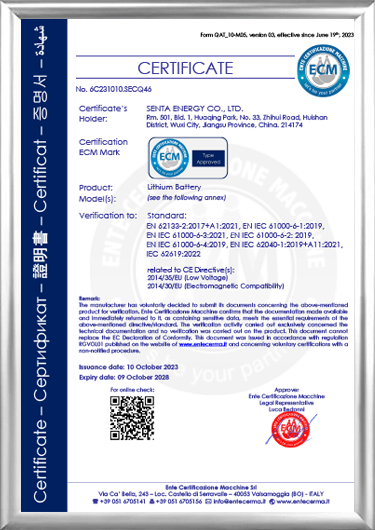
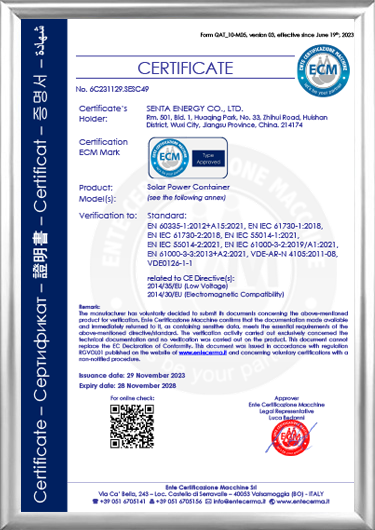
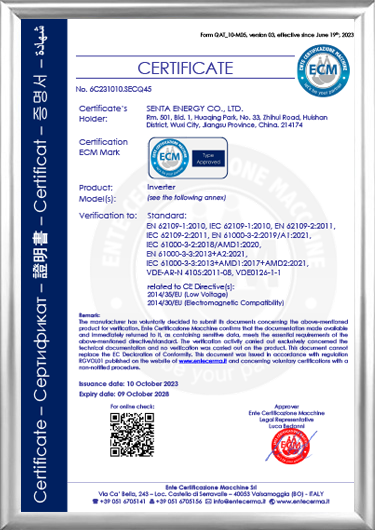
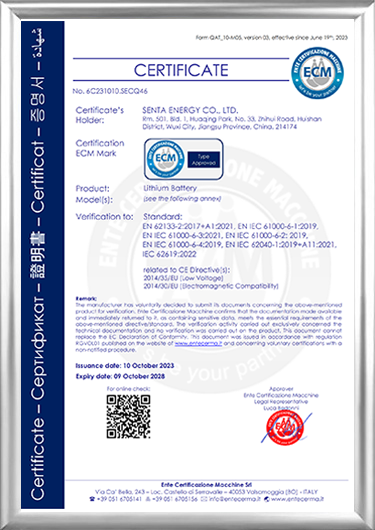
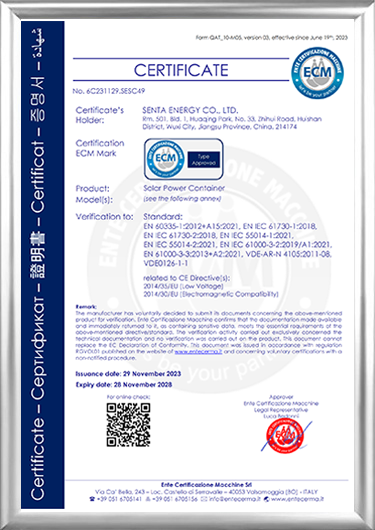
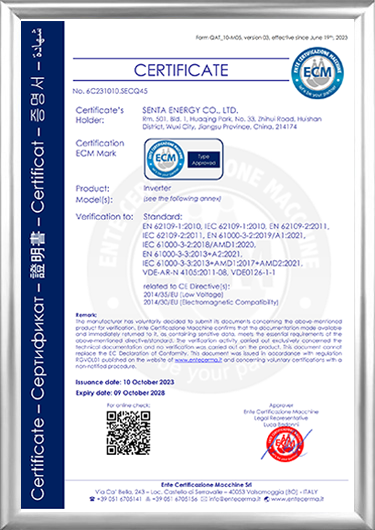
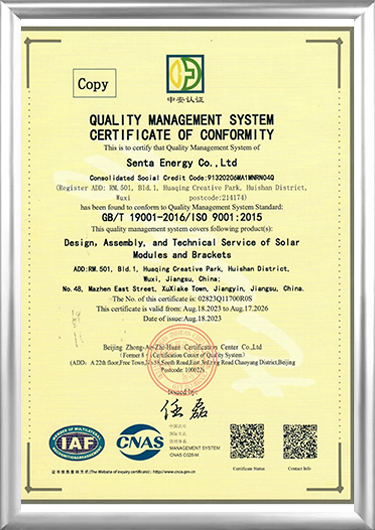
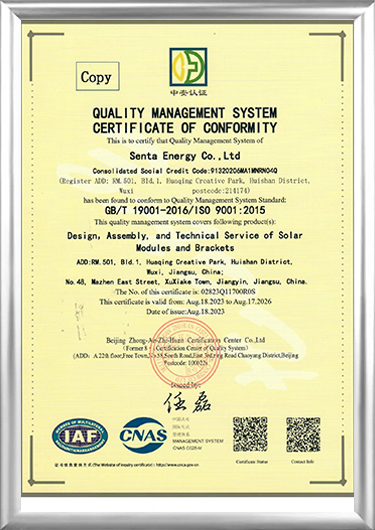
Our manufacturing process follows strict industry standards. The complete system unit carries CE and ISO certification; the container itself is CSC-certified for international shipping. Key components such as solar panels, inverters, batteries, and cables hold relevant certifications (CE, TUV, VDE, NRS, MSDS, UN38.3, etc.). We actively cooperate with third-party certification bodies to meet country-specific requirements before delivery.
Every container undergoes factory acceptance testing, including electrical safety checks, insulation resistance, and functional verification of all subsystems. We document test results and provide them with the shipment.
Installation and Deployment
Deployment is designed to be simple and fast. A typical 100 kWp unit requires only 4–6 people and about half a day to set up. No terrain compaction or cable trenching is needed. The container is placed on level ground, panels are unfolded (manually or with wheel assistance), and electrical connections are made to the load or grid. Our team provides on-site guidance and technical support during commissioning.
For adverse weather, the wheel-type and rail-type systems can be folded quickly to protect the PV array. This feature is especially valuable in storm-prone regions or for temporary installations that must be relocated frequently.
Maintenance, Training, and Support
We offer a two-year warranty on the entire system from the date of shipment, covering non-human damage. After that, component-level warranties (PV panels, inverters, batteries) transfer directly from the original manufacturers. We provide installation and configuration guides, video tutorials, and product knowledge training for your technicians.
Our after-sales team is available 24/7 for consultation and quick response. We also supply spare parts and can arrange remote diagnostics through the monitoring system.
Information We Use to Configure Your Solution
To prepare an accurate proposal and quotation, we need the following project inputs:
- Site location, climate, and available space (including ground or water surface).
- Load profile: peak power, daily energy consumption, and critical loads.
- Grid connection type: off-grid, grid-tied, or hybrid with existing diesel genset.
- Preferred container size (8ft, 10ft, 20ft, 40ft) and mobility requirements.
- Battery storage capacity needs (if any) and desired backup duration.
- Any specific certifications or compliance standards required by your country.
- Delivery destination and logistics constraints (port, road, crane availability).
With this information, we can provide a detailed system design, single-line diagram, and a firm quotation. We also offer ODM services for custom branding and engineering modifications.
Frequently Asked Questions
Q: Can you match our preferred inverter, module, and battery brands?
Yes. If you provide datasheets for the components you want, our engineers will verify compatibility and integrate them. However, we recommend our standard configurations because they are already tested and use tier-1 brands.
Q: What is the warranty coverage?
The entire system is covered for two years from the date of shipment against non-human damage. After that, component warranties from manufacturers (e.g., PV panels, inverters) transfer to you, subject to their operating and maintenance conditions.
Q: Can the container be integrated with an existing diesel generator?
Yes. We can integrate your existing genset using ATS/STS controllers to manage load sharing and switching. Please provide the generator's brand, model, and electrical parameters so we can design the control logic.
Q: How long does deployment take?
For a 100 kWp unit, 4–6 people can complete installation in about half a day. Smaller units (8ft) take less than an hour to unfold. No special civil works are required.
Q: Do you provide remote monitoring?
Yes. The inverter includes a WiFi/GPRS monitoring module accessible via its app. For larger systems, we can supply an independent EMS software for comprehensive energy management and remote control.
Q: What certifications do your containers hold?
The complete system is CE and ISO certified; the container is CSC certified. Solar panels, inverters, batteries, and cables carry CE, TUV, VDE, NRS, MSDS, UN38.3, and other relevant certifications. We can also assist with country-specific approvals.
Related Products and Categories
Our portfolio also includes Solar PV Container (Rail Type) for applications with different operating ranges, interfaces or integration requirements.


 en
en  English
 中文简体
中文简体 عربى
عربى